I apologize for posting this twice. If you saw the first one, I had a version problem and deleted the wrong one, so then I had to rewrite what I wanted to post. I’m learning the ropes again and things are a little different from what I remember. So here is the story I wanted to share, take two.
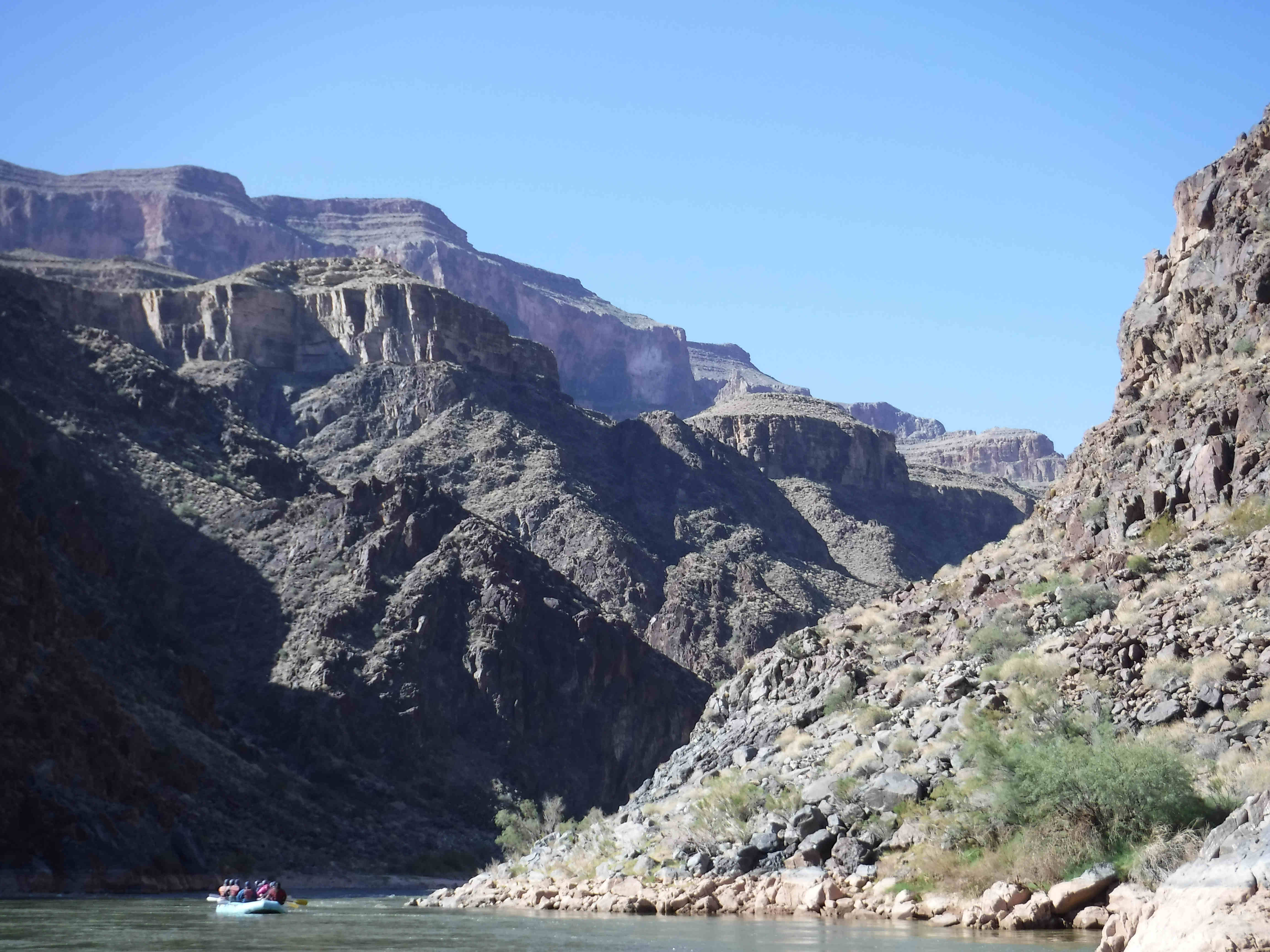
In 2023 we drove to Arizona for a great road trip and the sites and experiences of a lifetime. We did an overnight rafting trip with a tour in the Hualapai tribe part of the canyon. It was a challenge to do all this. We had to wear life jackets and do exactly what the guide said. Because there weren’t quite enough spots for everyone to paddle, a few of us would ride on the transport boat with the gear which was nice for relaxing and taking pictures. I started off that way because the first rapids were huge. Not quite ready for that, I was able to watch the action from a safe distance.
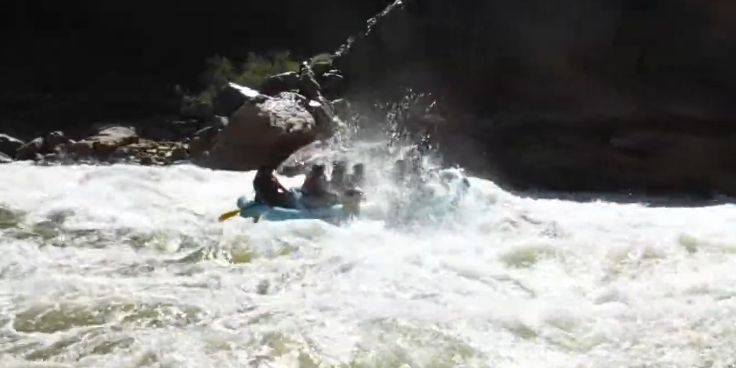
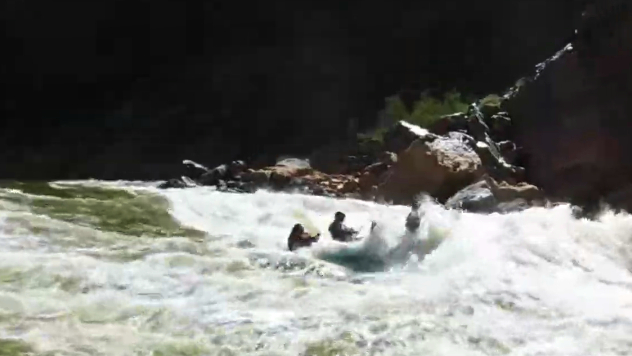
When I was on the action raft, right at the end of our run, the guide said, when I say paddle on the left, everyone paddle as hard as you can on the left side, otherwise we’ll hit “the wall.” The what?! Well, we all were ready, and we did exactly as he said. A rapid catapulted us toward a plume of water that was hitting the rock wall like an upright waterfall. Our efforts to avoid it failed, and we were drenched. It was so fun. I couldn’t photograph hitting the wall of water, but here’s an action sequence I pulled out of a video I took of the other group.
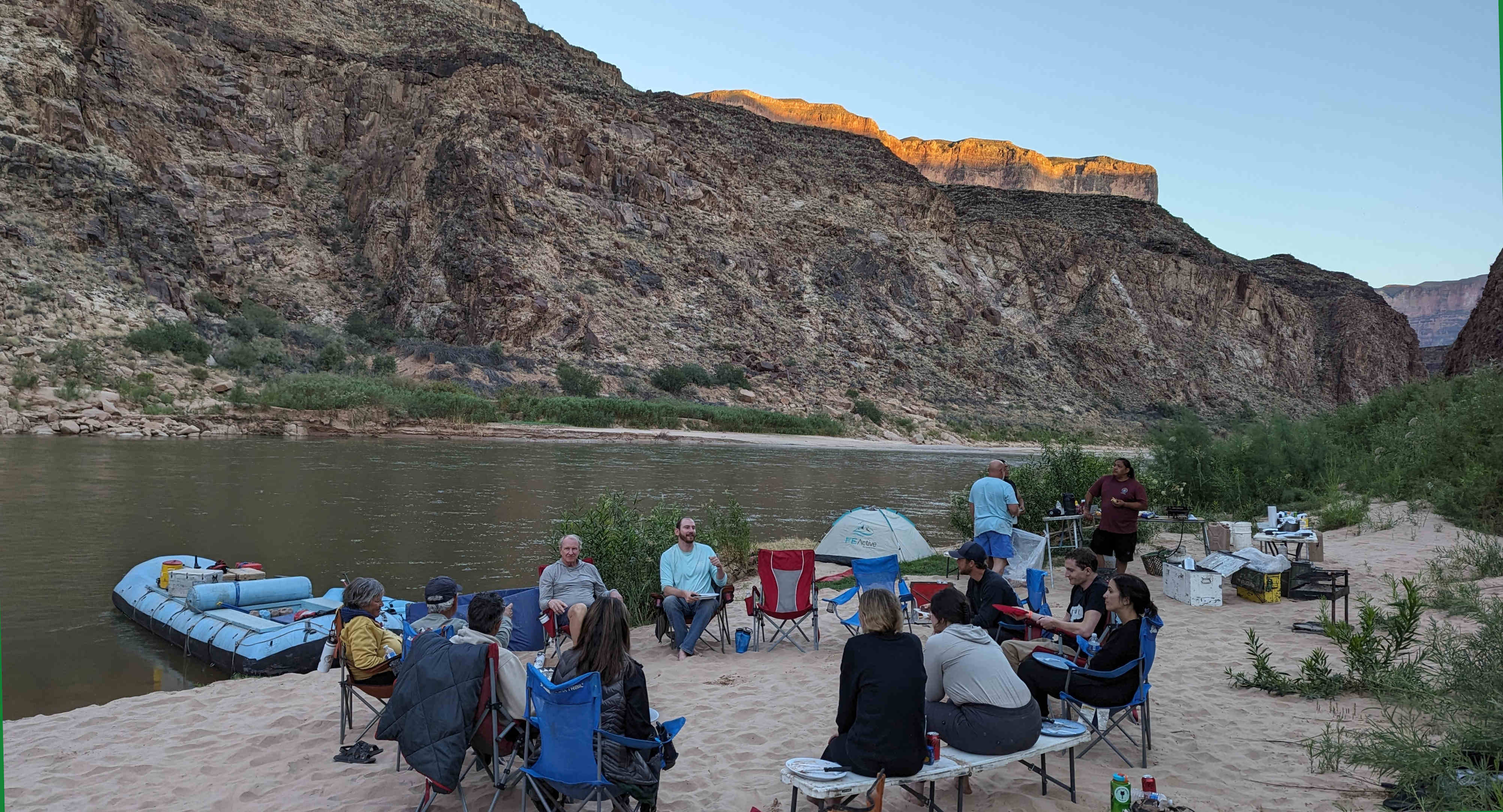
At the end of the day we all felt great about what we did and were ready to relax at camp.
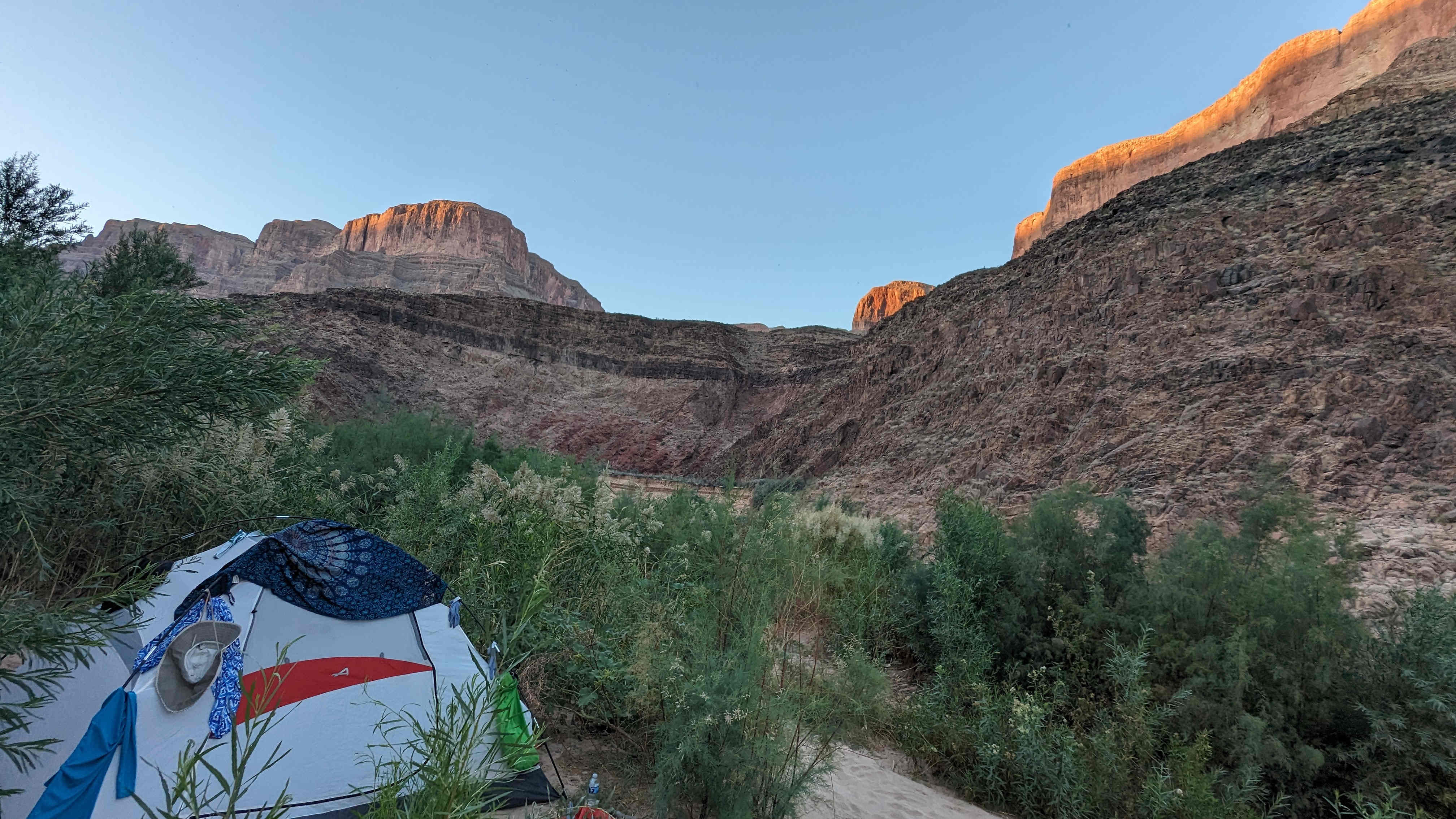
The landscape at the campsite included dunes and these wispy trees.
At night it was nice and dark and we saw beautiful stars. There was a lunar eclipse, but our view was limited by the canyon, and we didn’t see that. It was still beautiful, as was watching the morning sun on the mountains.
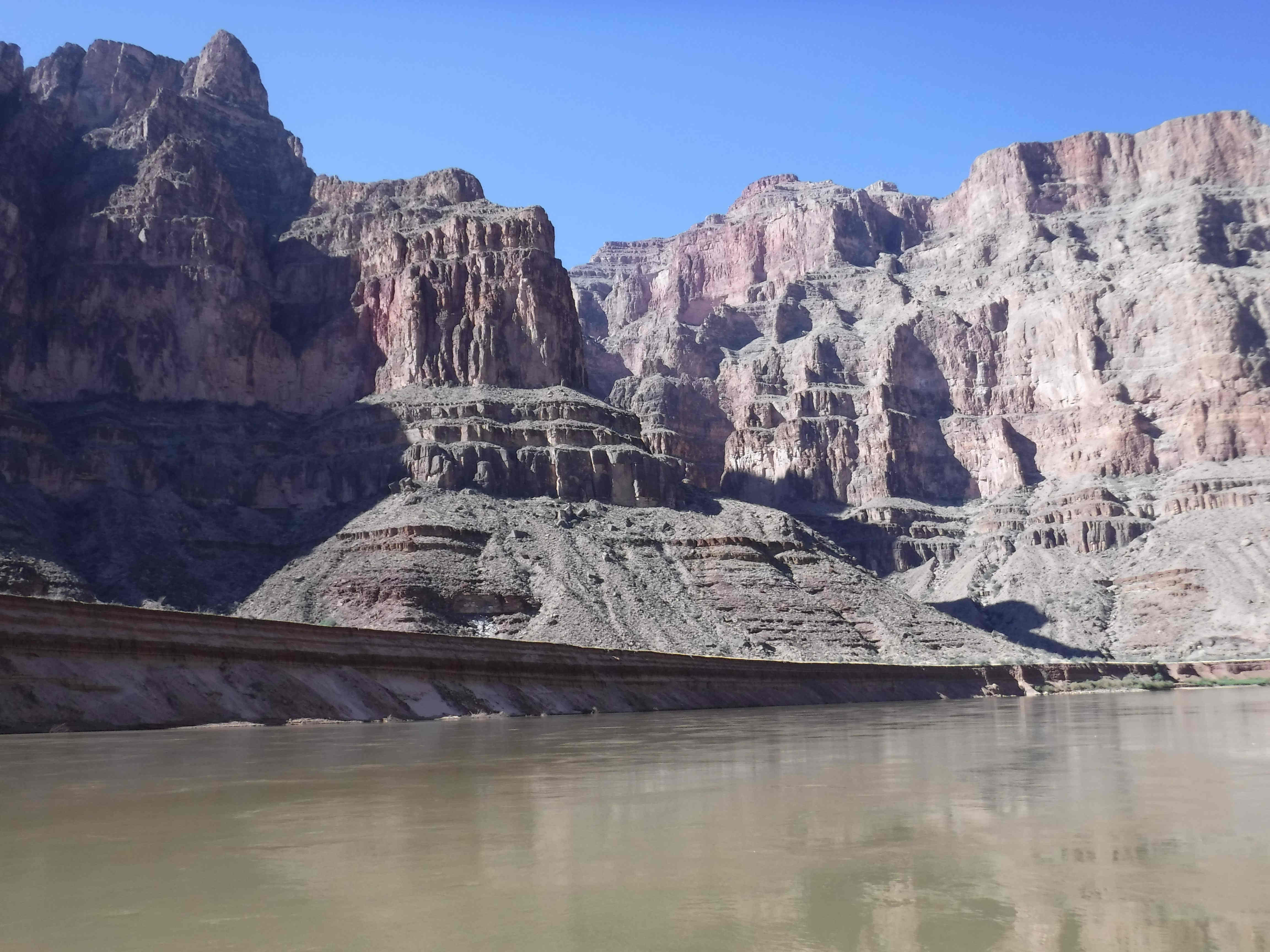
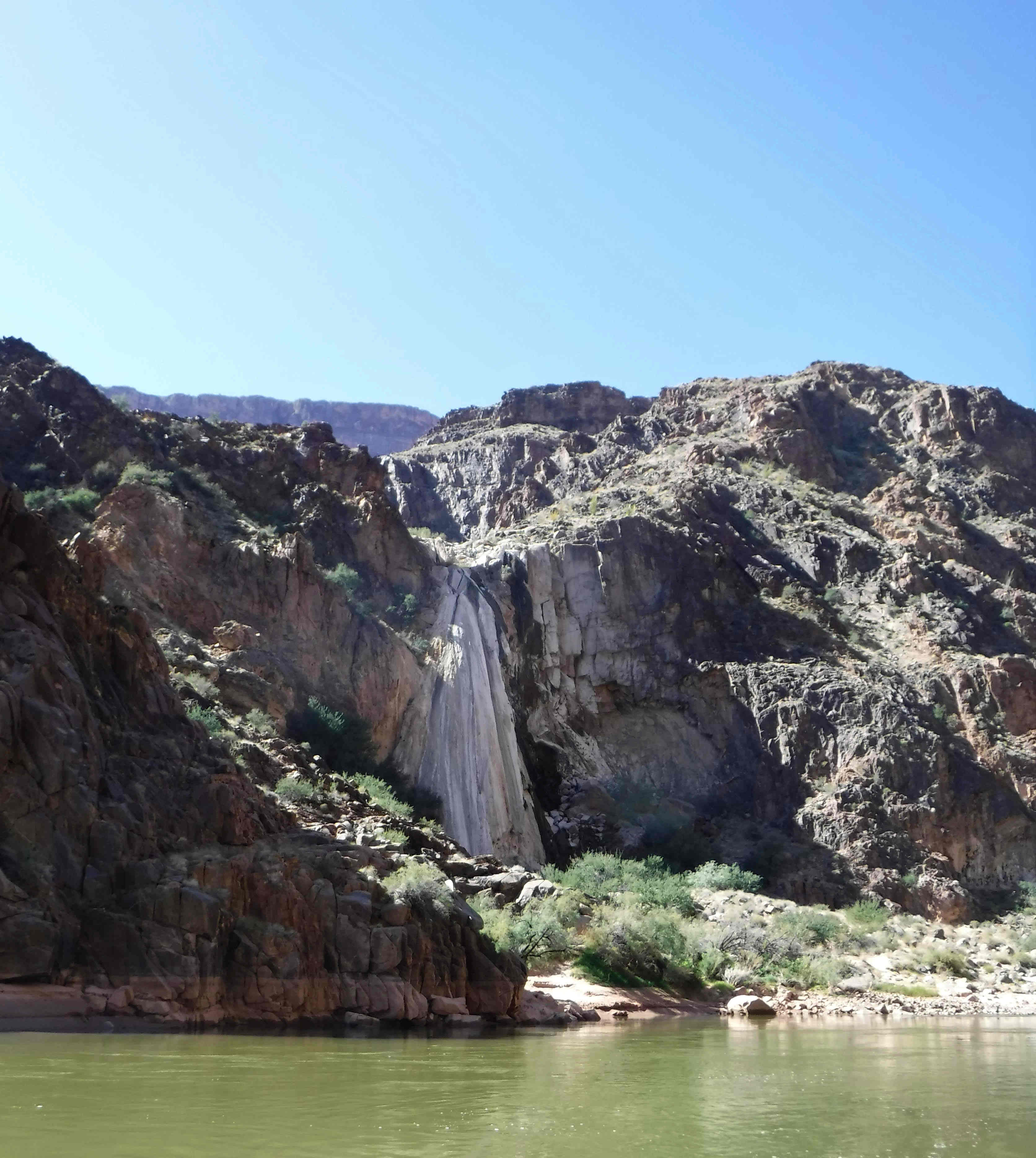
The canyon walls are so steep. The rock changes constantly and on the second day the walls began to get lower.
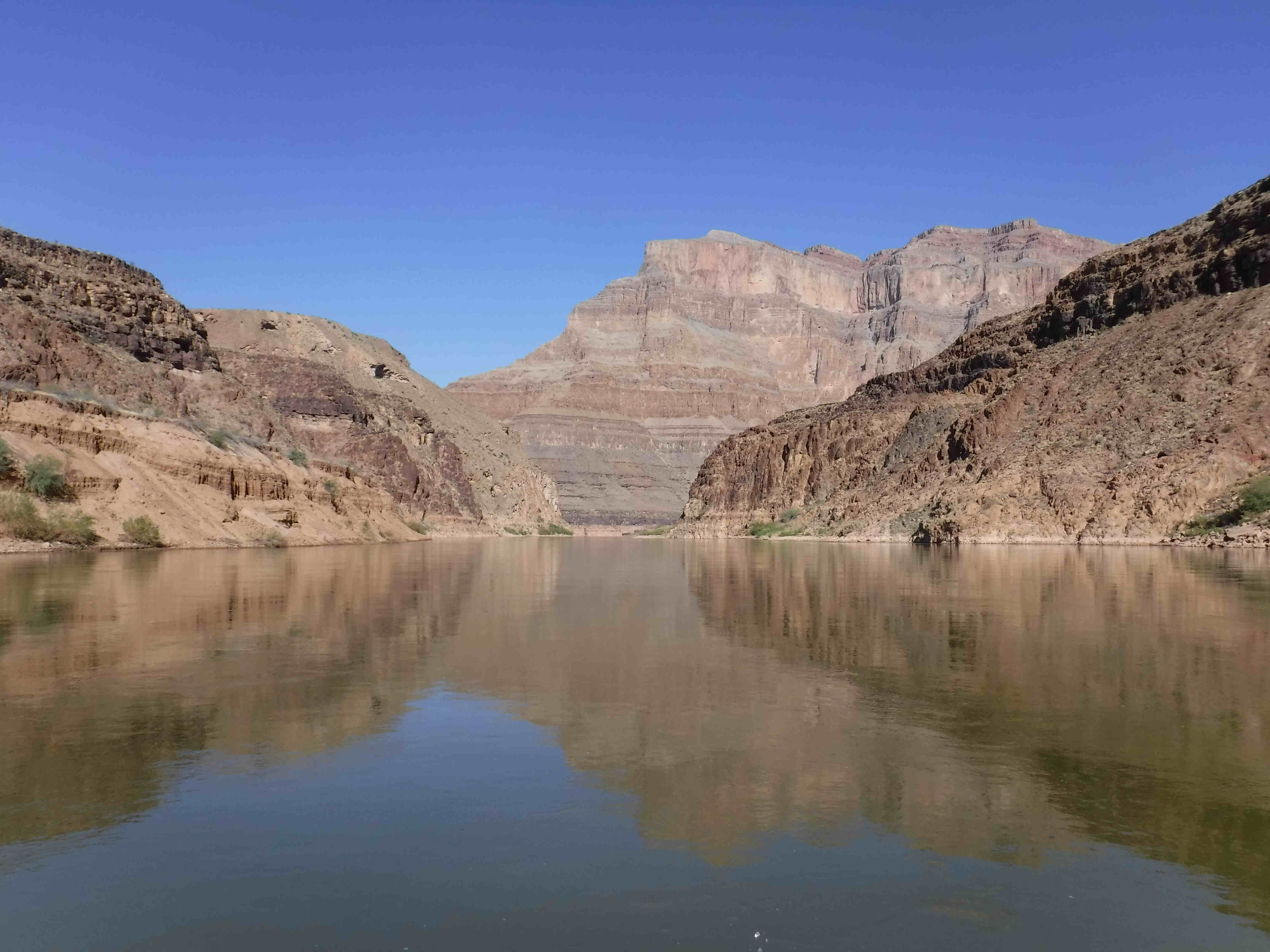
These last shots were taken looking back at the canyon after floating out. It’s weird, it’s so huge, but then it ends and everything is flat.
It was a great experience, and the next day we went to the rim and did a sunset tour. I’ll post a few pictures of that next.
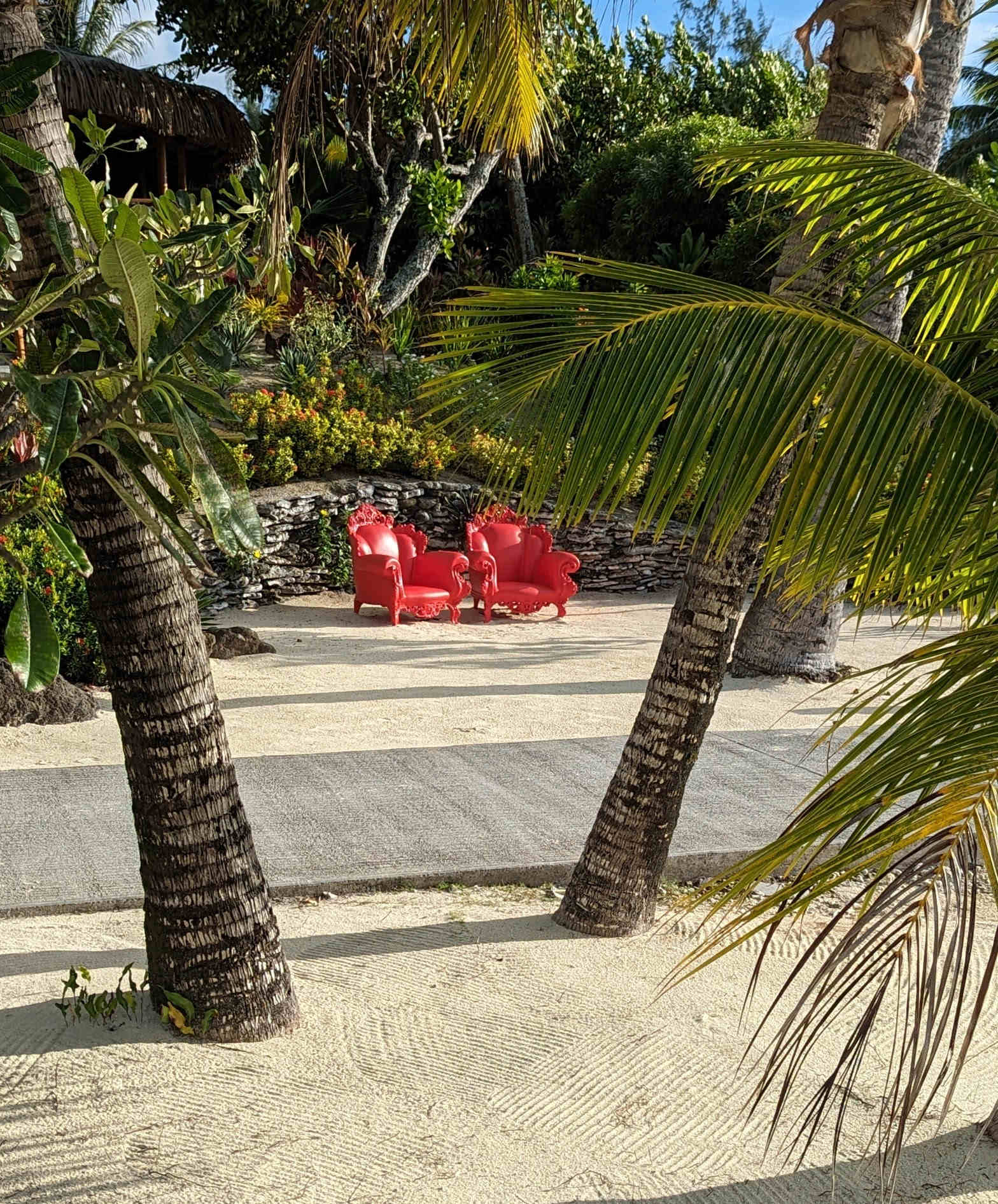
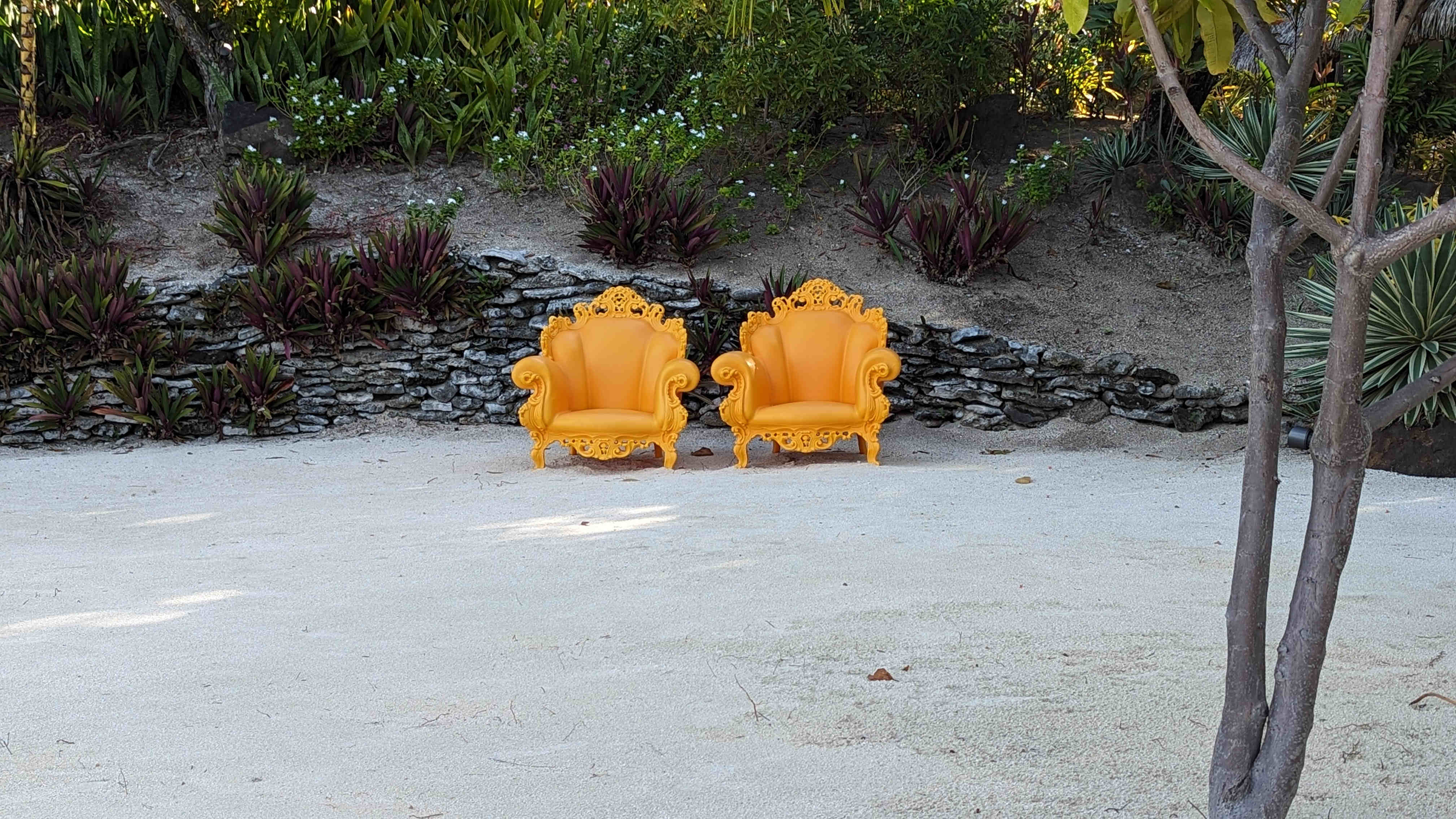
Here are some more details to show you the resort. Everywhere you looked there were interesting and pretty things to look at. They had a thing for chairs. With these colorful ones, I wondered what they were for. I mean one would walk across the perfectly manicured sand and sit on them, right? That would be funny to sit there especially because they were right by the main paths, so a lot of people would look at you. I didn’t see anyone do it. But then, what were they for?
I think since it’s a honeymoon spot, the designer was suggesting twoness. Hmm…
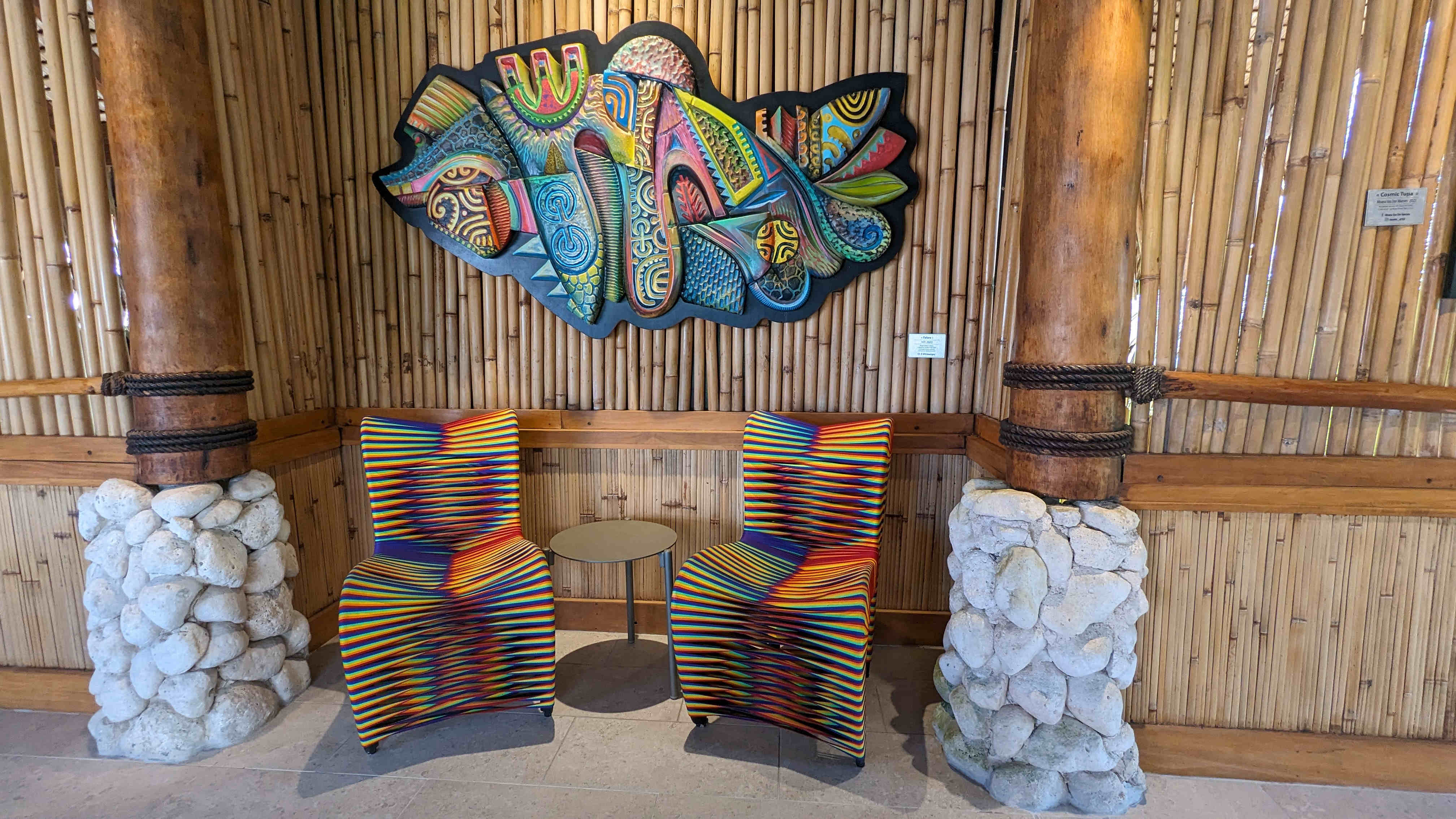
Then they had these chairs, they are made of fabric strips. I thought they were amazing especially placed under the art piece. I would love to have them.
Here’s a close-up of what I call the ribbon chair.
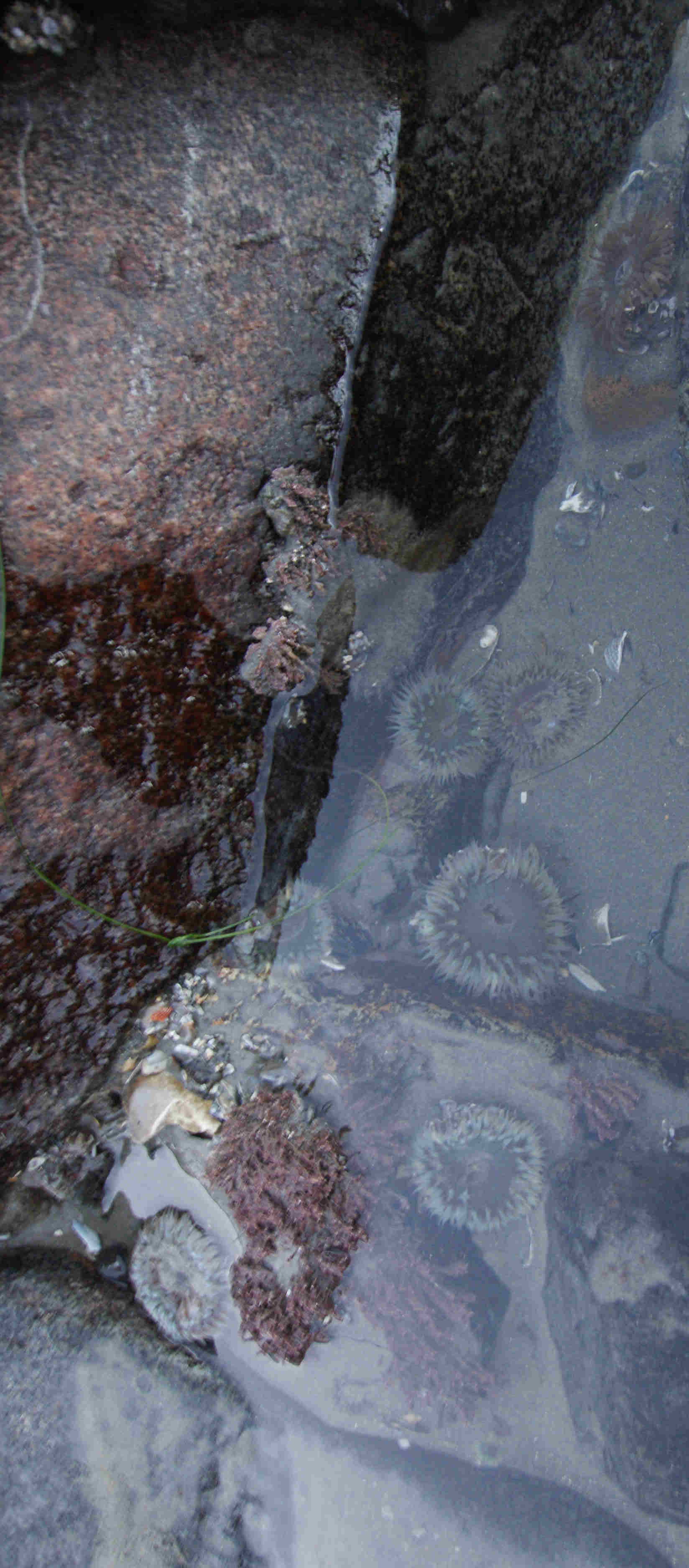
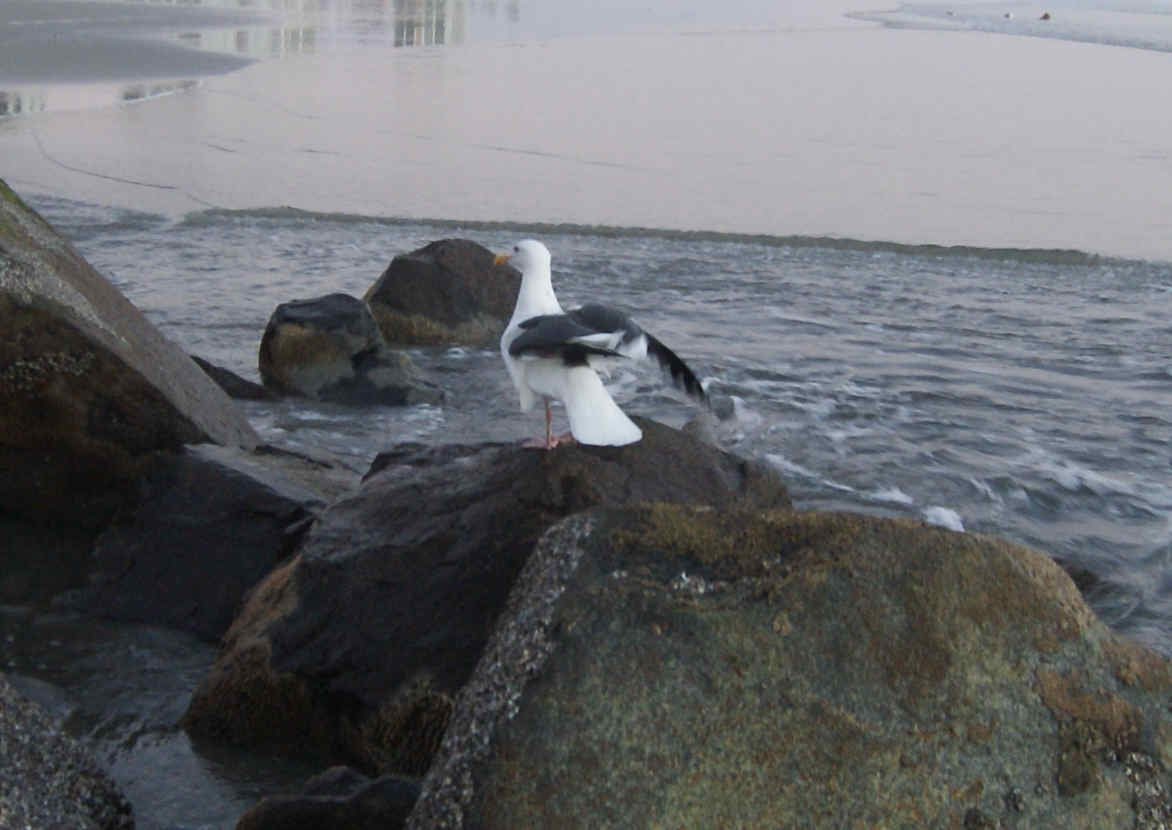
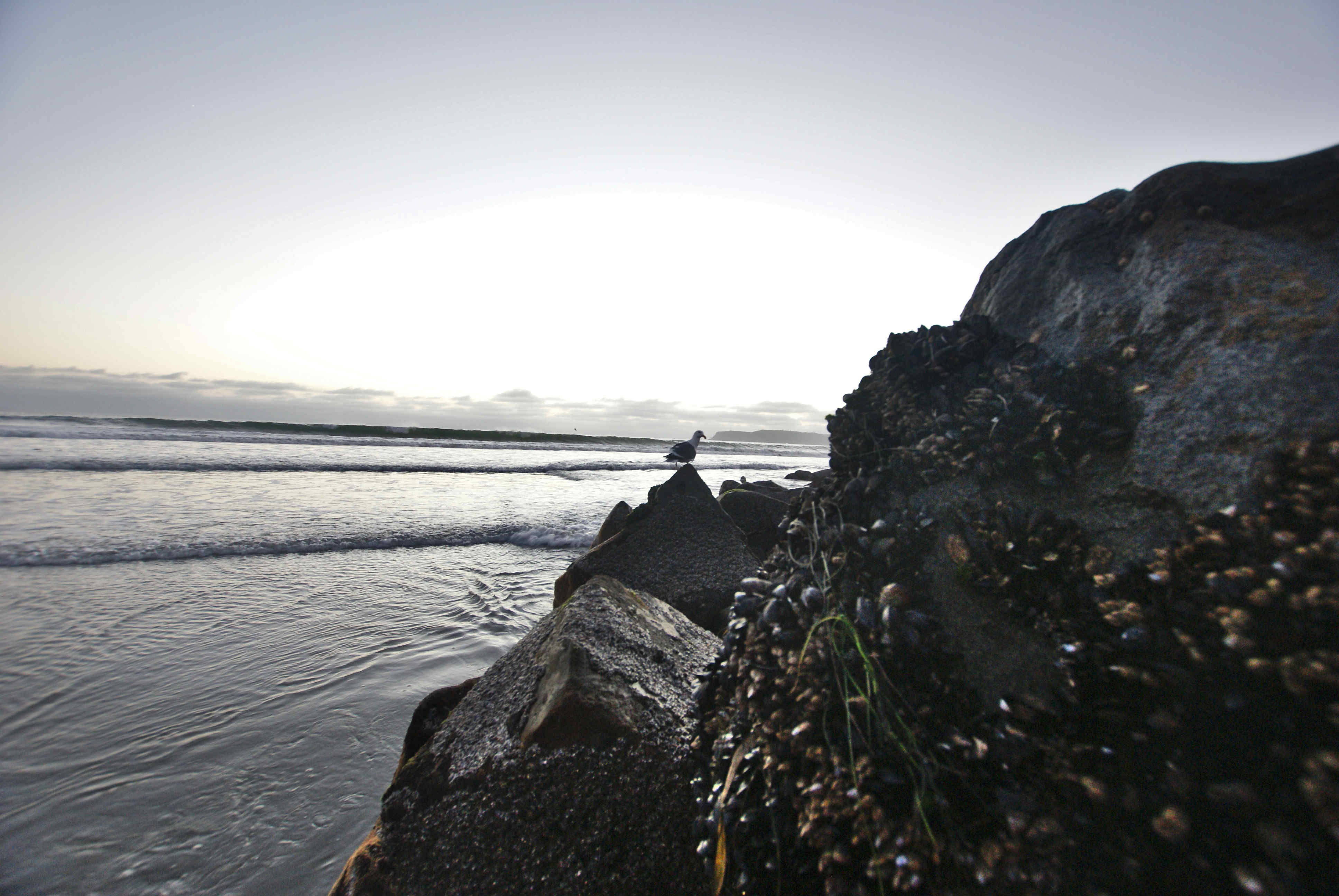
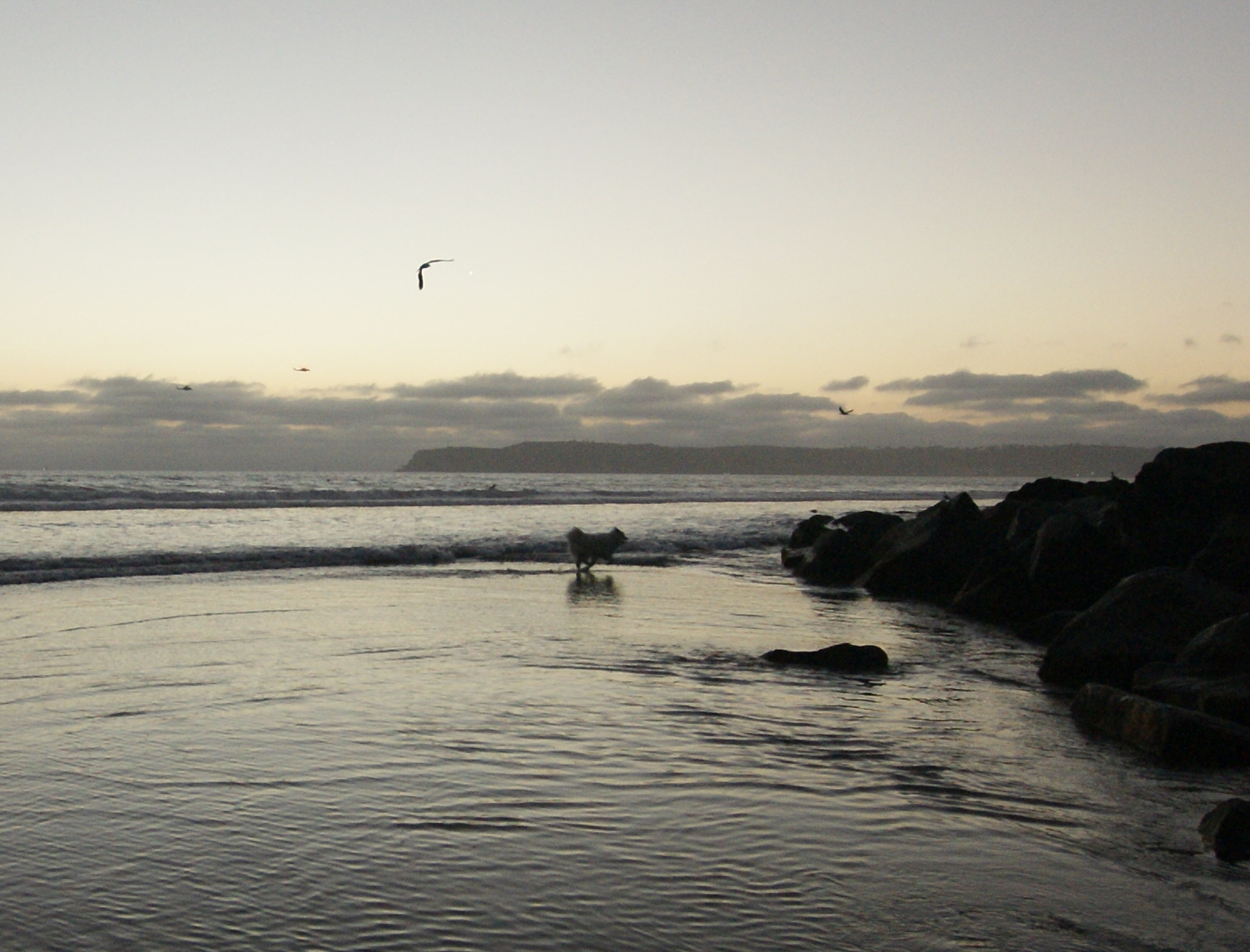
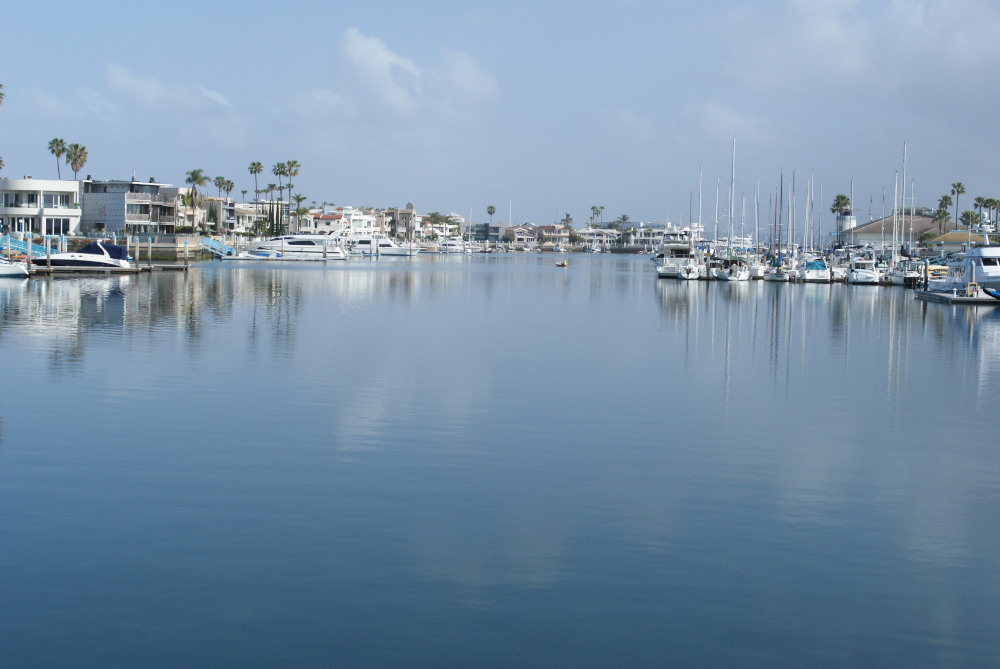
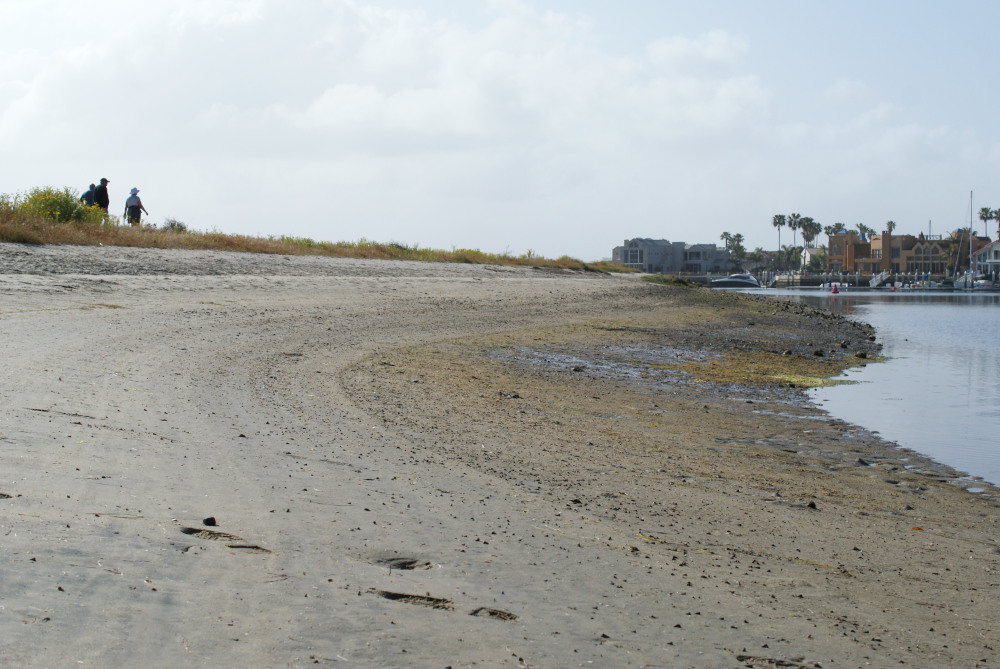
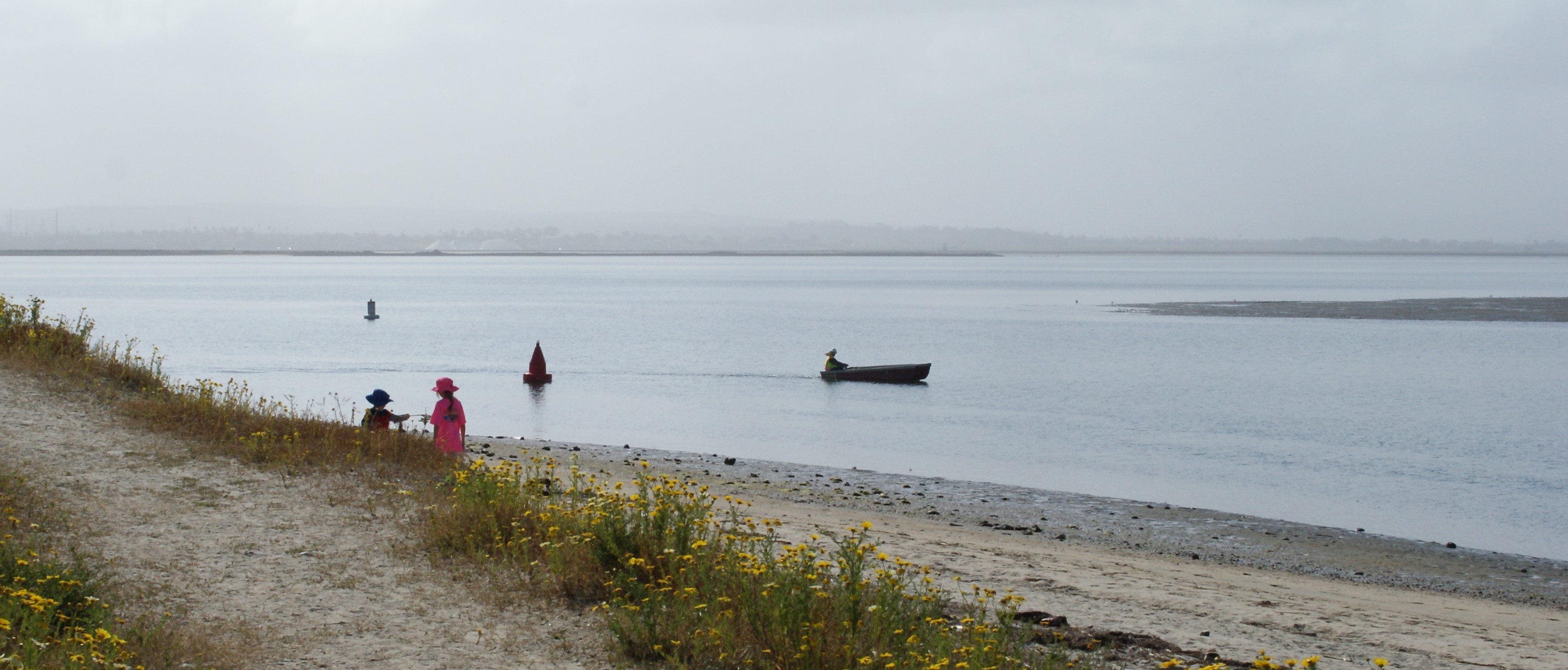
Hello after a long hiatus. I’m here to share some photos I took at low tide in Coronado California. The seagulls were scattered here and there on different positions on the rocks. Some were in the air as well, but they weren’t flocking around a food source, it was more of an individual hunting and resting situation. Anemones and some shell fish occupied the pools, and people and dogs enjoyed the sunset.
Sea AnemoneThe Day’s EndFluffing his wings EcosystemFrolicking
As I said yesterday, there are strong female characters in Mark Taggart and the Circle of Stones. Eunice, introduced in this short excerpt, is a pivotal character.
Where were they? The homestead and oleander hedges, the blacksmith hut and fences, even Bobby’s cottage no longer stood solidly in their rightful positions. Instead there was just a vast stretch of empty savanna. But that wasn’t all. About twenty meters outside the circle stood a girl.
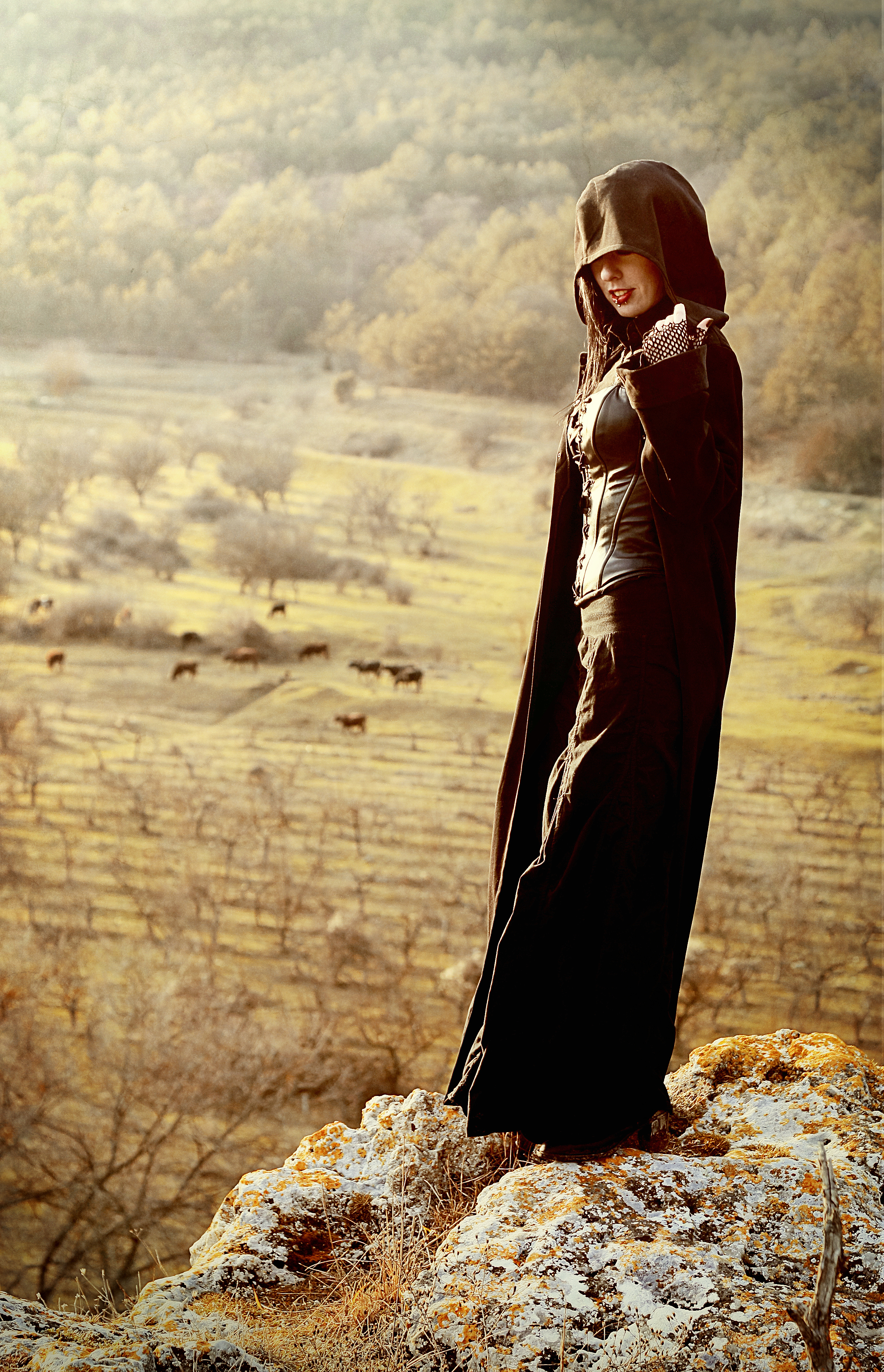
She was slender as a river reed and pale as alabaster. Long black hair, which somehow seemed even blacker than the darkest hair Mark had ever seen, fell over her shoulders and back. She wore a long gown of some kind of thin brown material that flowed around her even in the still air. Above her wheeled two enormous eagles. Far too big to be wedge-tails or even condors, they circled her in tight patterns. She gestured towards them and they took their leave, spiraling upwards on hot air currents until they vanished in the blue sky.
John and I created this image that we thought captured her mystical character.
Mark Taggart and the Circle of Stones is available here:
Hello from the trenches of our big move. It doesn’t need to be said that moving from a house where you’ve lived for 20+ years is a challenge, LOL! One challenge is to find homes for things you aren’t keeping or recycling them when that’s not possible. The process puts the mantra Reduce, Reuse, Recycle into big focus. I’ve learned even more about what our waste service can and cannot recycle.
I get excited when we successfully give something away let alone sell things. Selling is very nice like for our huge relatively new home fitness item. That hasn’t happened yet, but hopefully it will. And note to self, if I ever feel I need something like that again, get it used!
We did however find a home for a 70 year old piano I inherited. Yay! It won’t go to landfill. We’ve scoured the local area to find it a home. A piano is just too big a thing to take to the dump and it would be horrible, it still works!
The thing is I am bad at playing the piano and my husband has perfect pitch and timing so hearing me play is actually painful for him, LOL. If I want to do it in the future, I’ll get an electronic keyboard that has a headset (used).
We have not been exceeding our recycle and garbage allotment each week, so that’s good.
These days it’s all about reuse. I love giving away items at thrift stores and then getting “new” items there which I will keep for awhile then trade back in. It’s a new (used) way to live.
I’ve had the great good luck to spend time in this beautiful place and can share some photos with you. I hope they bring you a smile the way they did for me.
When I was a kid I glazed over when viewing a sociology and archaeology text books showing the remains of ancient civilizations. I thought it was boring. But no more. Traveling inspires me to learn and seeing ruins in person is exciting.
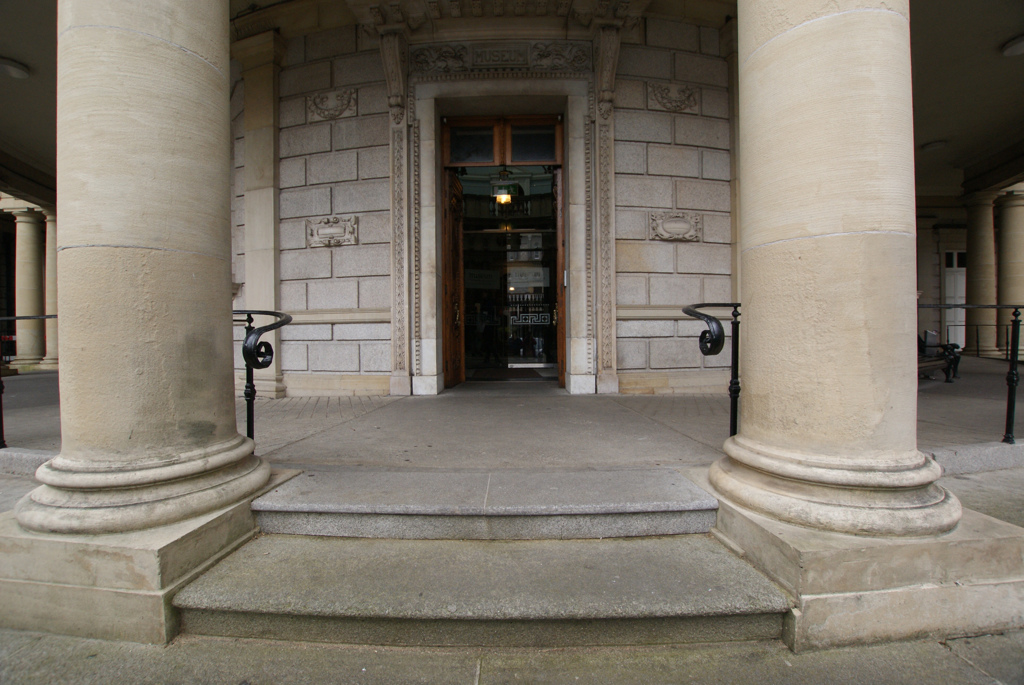
In Dublin, our first stop on the trip, I wanted a little orientation to the ancient sites we would be seeing on our journey, so we walked over to the famed Archaeology site of the National Museum of Ireland.
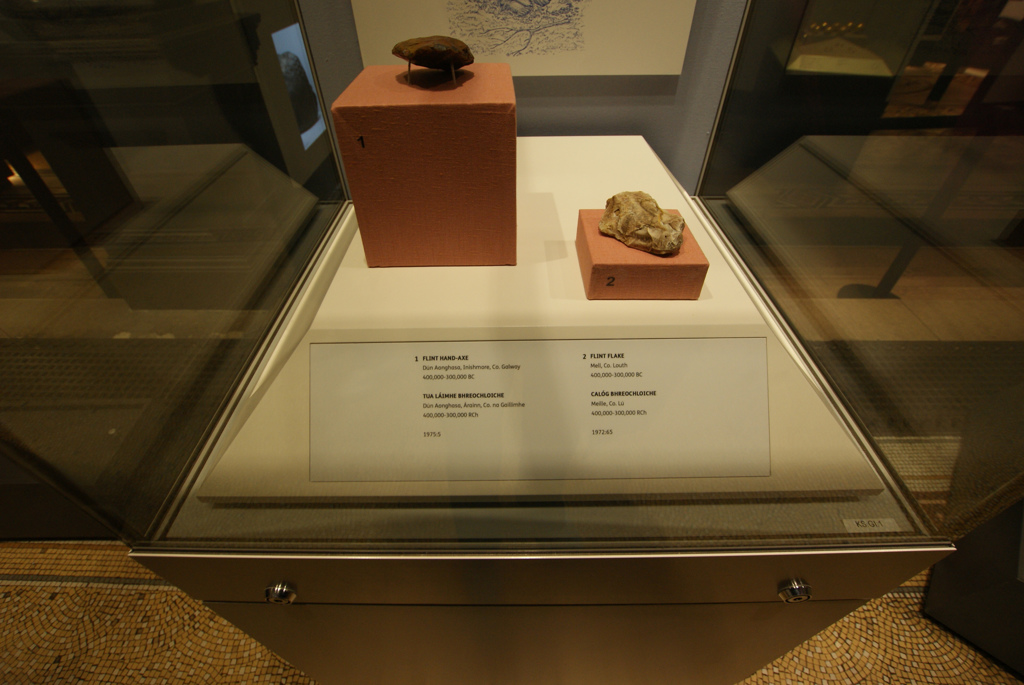
Immediately upon entry you are presented with the earliest relics, stone tools discovered from the paleolithic period, the earliest stone age.
1. Flint Hand Axe Dun Aonghasa, Inishmore, (Dun Aengus, on the Aran Islands), County Galway 400,000-100,000 BC. 2. Flint Flake Mell, County Louth, 400,000-100,000 BCA
Wow, that’s old. This is not boring. My excitement at getting to see sites of early humans was growing. Here they are starting to use tools. Later, we would make it to Dun Aengus where we didn’t see such ancient relics but did get to see the approximate iron-age (circa 600 – 200 BC) hilltop fort.
Dun Aengus, Aran Islands, Ireland. Iron Age fort circa 600 – 200 BC.
Here’s information about the Paleolithic Period.
The earliest stage of the Stone Age – the Paleolithic – began with the emergence of humankind and the use of stone tools more than one million years ago. It covered most of the last great Ice Age until the final retreat of the ice sheets around twelve thousand BC. During part of the last Ice Age human groups could have settled in parts of Munster, but no material comparable to the Paleolithic settlements of Britain and mainland Europe has so far been discovered. Three objects of Paleolithic Age which may date between three hundred thousand and four hundred thousand BC have been found in Ireland but there is no certainty that they represent evidence of human settlement here. A flint flake from Mel, County Louth, found in glacial gravel, is thought to have been transported to Ireland by moving ice during the Ice Age. A hand-axe from Coolalisheen, County Cork, found two-feet down in a garden, resembles hand-axes found in southern Britain. This object and the second hand-axe from Dun Aonghasa, a large promontory fort on Inishmore, Aran Islands, County Galway, may have been brought to Ireland in recent times.
I especially love the paleo period, it’s so elemental without a lot of social structure and belief systems, or maybe none, just the struggle to survive and getting better at it by turning rocks into tools. However it looked like we weren’t going to see a lot of Paleolithic relics in Ireland.
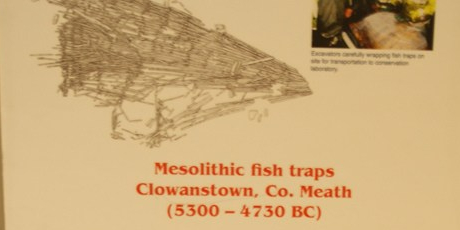
After that was the Mesolithic era.
In 2006, at the edge of a raised bog in Clowanstown Co. Meath, four conical fish traps were excavated. Organic Mesolithic artifacts like these are exceptionally rare in Ireland and, due to their fragile nature, a large-scale conservation project was undertaken. Although flattened when found, the traps retained a distinctive V-shape with evidence for constrictions at the open ends. Slender rods and twisted wefts of alder, birch and rosewood were woven together using an open-twined technique. The traps would originally have been positioned on the bed of a small lake adjacent to a mooring or walkway. Also found at the site was a possible model boat made from a pomaceous fruitwood such as apple, pear or hawthorn, dating to between c 5300-5050 BC, and a number of lithics.
The most important period for this trip was the Neolithic era because this was the timeframe of the relics and ruins we visited.
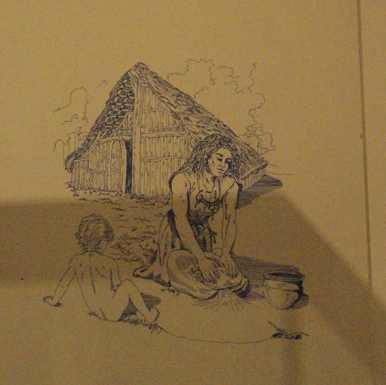
Neolithic settlement (3700 – 2500 BC): Neolithic settlements in Ireland were adapted to the mild but moist climate of the time. Family units lived in rectangular houses and practiced mixed farming. The walls of the houses were constructed of split oak timbers set in trenches and held in position with small stones. These houses were used for a short period, perhaps a single generation. Remains of wheat, barley, sloes, blackberries, crab-apples and hazelnuts have been found and bones of cattle, sheep, goats and pigs also survive. Household goods included undecorated, often shouldered, pottery bowls used for storage and cooking. Small tools of land such as arrowheads, blades, knives and scrapers were in use for a range of functions well-polished stone axes and adzes were in use to clear woodlands for and for carpentry.
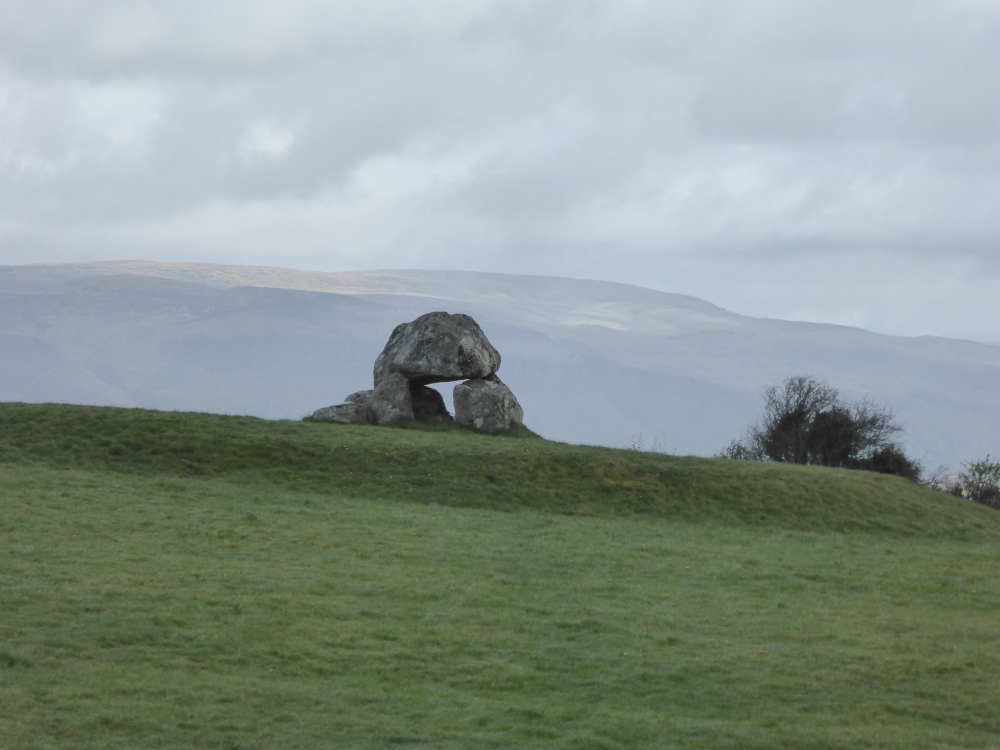
People began to farm in the Neolithic stone age, and they have left behind ruins of their civilizations. Here are some the impressive passage tombs of Carrowmore in Sligo County, which are dated to 3700-2900 BC.
A Neolithic tomb at Carrowmore, Sligo County, Ireland
Another monument at Carrowmore
This is going to have to be continued because I wanted to get this posted, and it’s going to take a while to work through all of this archaeology. And I know you don’t have much time to read either! Have a great week.
I’m working on what has turned out to be a long and complicated post, and I’m also finishing my first draft, so it’s taking a while to finish that post. I thought in the meantime I’d share a photo from recent adventures.
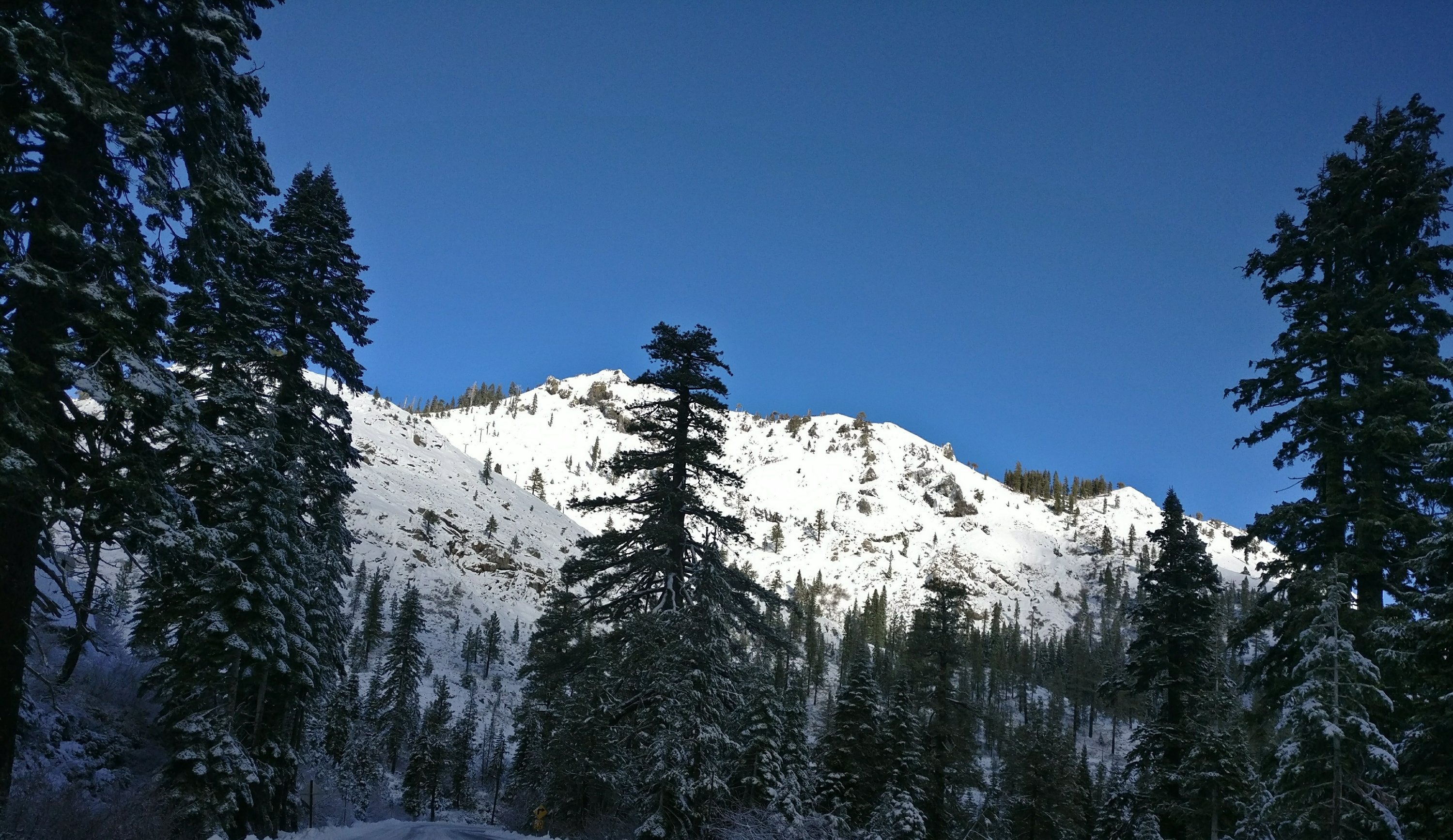
I snapped this with my phone while on break from some volunteer work I did at a ski race in Alpine Meadows.
I haven’t been skiing this year, and this day went from sunny to stormy. I was reminded just how cold skiing can be! But during the break between the two runs, I had a chance to take a picture. Then Google stylized it for me, so it’s a little more intense than in real life, but I kind of liked it and hope you do too.
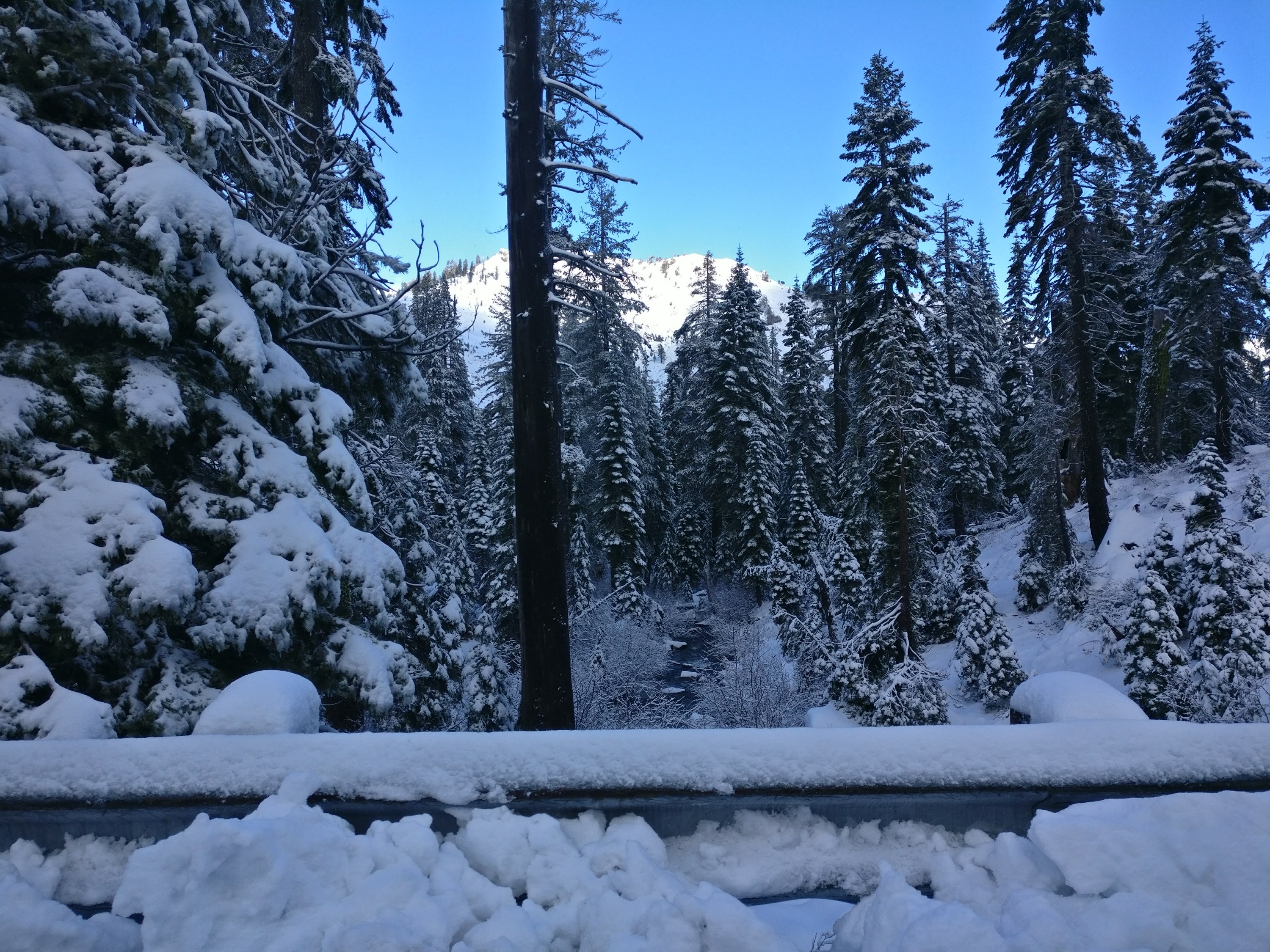
This is what the start of winter looks like in the Sierras near Lake Tahoe.
Plus it’s very cold so the resorts are making snow. The two resorts will be able to open for the huge Thanksgiving holiday week, which is this week. Their work prepared them for the opportunity of early snowfall and cold temperatures, and now there is a huge economic benefit, not just for the resort owners, but for all the employees who rely on the season for their livelihoods. Extending the season in the spring and fall helps stabilize the economy up here. I grew up here and it’s nice to see the doldrums of shoulder seasons shrinking. Nice to see people working.
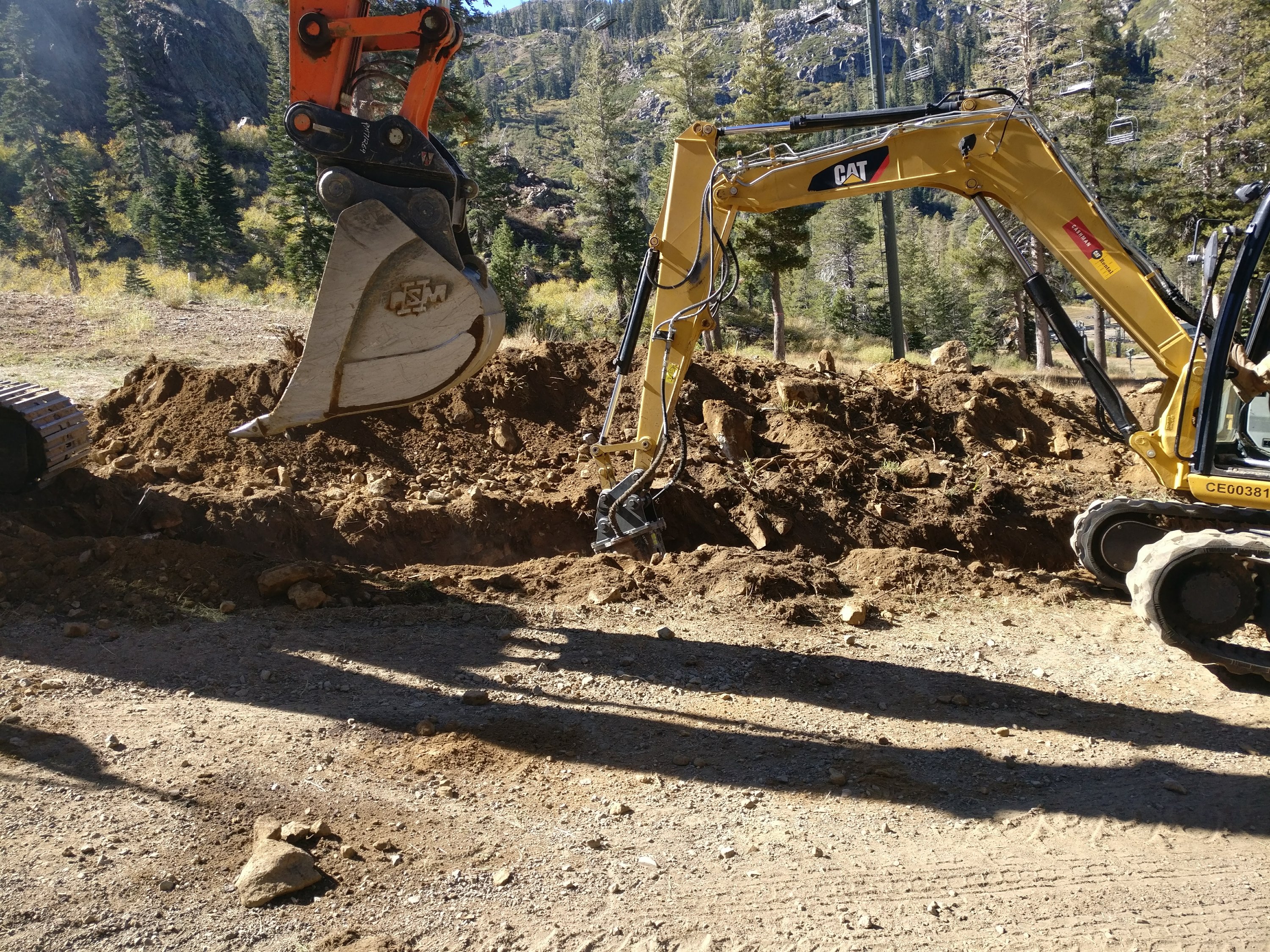
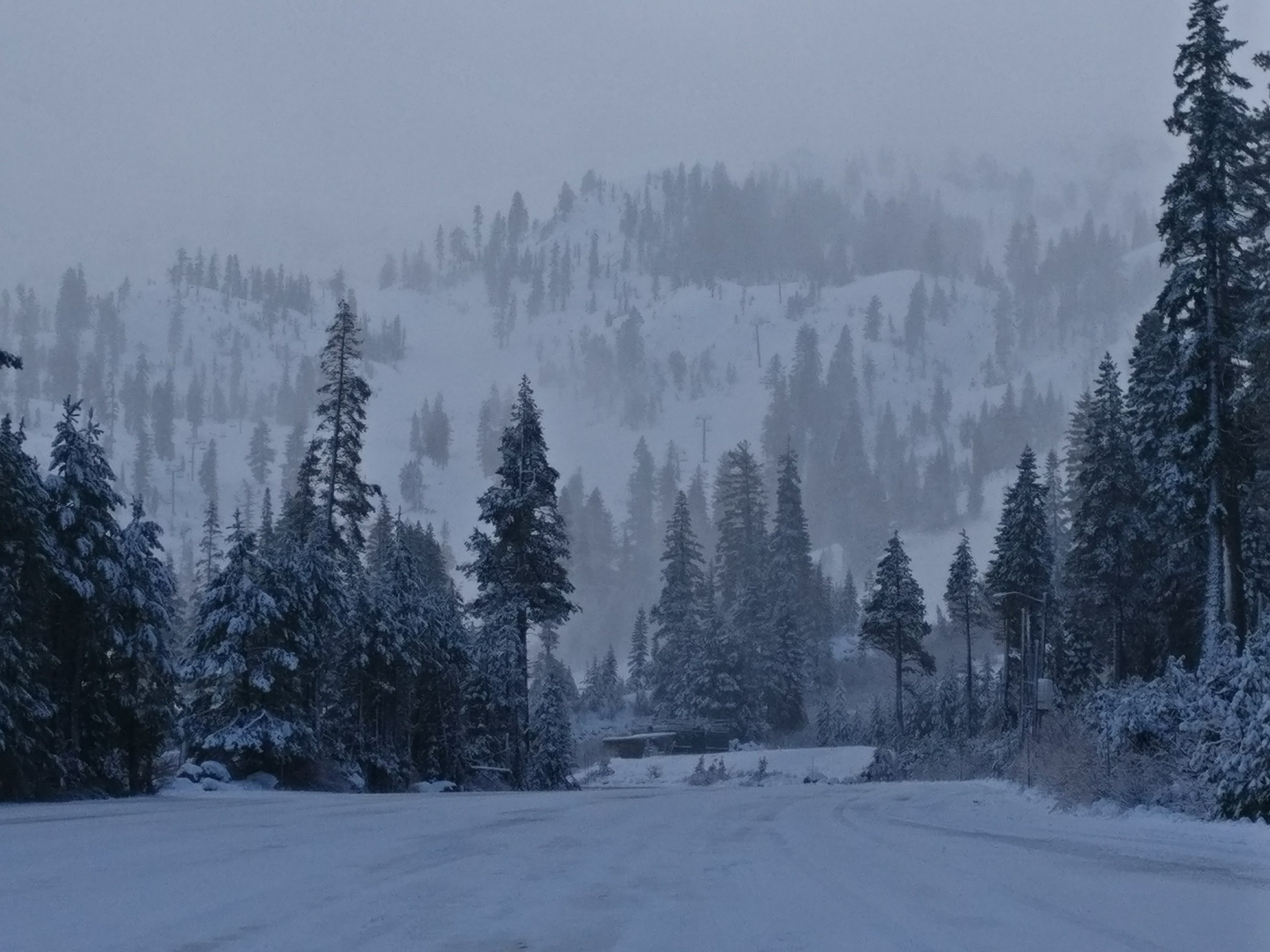
Squaw Valley and Alpine Meadows prepared over the last years and especially last summer to be ready for snow making. The temperature has to be cold enough to make snow and you have to have a lot of infrastructure to be able to do it. We passed by an installation of electrical lines on the mountain side when we were hiking in Alpine Meadows a month or two ago. Alpine Meadows ski resort during a storm
The only huge problem is lack of housing. Somehow economic growth always seems to leave out adequate housing. Hopefully the expansion and development and Squaw Valley will include employee housing. I’m not sure if it does or not. In California we need 3.5 million more homes.
















 Nicci Carrera