
I have had the pleasure of getting to know some authors and artists in both my physical and virtual lives.
As someone with a lot of curiosity about such things, I’ve asked these artists about their processes. Today I’m going to start a new series and my first subject is Marie Tuhart, who writes erotic romance.
Marie, thank you for joining me and the readers of this blog today and sharing a bit about your process. I call you and the next author I plan to feature in this series “open spigot writers.”
Marie: Thanks for having me, Nia! Open spigot writer – I never thought of it that way.
Nia: Well, I have, because I’m more of the “Sit at the keyboard until beads of blood form on my forehead” type of writer! And over the years in conversations I’ve had with you I’ve marveled at how you can take a premise and spin out a story. In fact, readers, Marie helped me retool an old suspense story I had into a straight contemporary (with a touch of suspense) and that became my first published story, The Last Straw.
Marie: I used to be like that, Nia. It takes time to cultivate your writer’s mind.
Nia: That’s good news! Actually, I’m having a lot more spigot moments with my work in progress. So that is encouraging.
Marie: Because you know how to put a story together.
Nia: It’s starting to come together for me. My learning process is… somewhat… slow… but that’s okay. I usually eventually get there. But back to you. Do you have a process and if so, how did you develop your process?
Marie: In a way, it helped me not to have published until I was almost ready to retire because it gave me time to learn what really worked for me.
Nia: Where do you get your ideas?
Marie: Oh geeze, I have no clue where I get my ideas. Actually I do know how More Than One Night came about.
Nia: Do tell!
Marie: Basically, I was trying to write for Harlequin Desire and they wanted flirty fun with friends books.
So I thought about what if four girlfriends went out to celebrate a birthday and one of them went off with a handsome stranger for one night. The story just took off from there.
Nia: Wow. You’re kind of a “What if…” author. See, that’s super interesting because I’m not.
Marie: Sometimes. When something comes to me, it’s not always a “what if” question. Like with Theirs Forever, I just thought what fun it would be to have two guys and a gal come back together after seven years. The story came from that thought. I really don’t think “what if”, my brain supplies it.
Nia: (Note: Theirs Forever is a work in progress. To learn more about Marie’s WIPs, click here.) So a thought comes out of the blue?
Marie: Yes, out of left and right fields, so to speak. Silver Screen Dom was sort of the same way. Michael is a secondary character in Movie Magic and I thought it would be fun to give him his own story. No plot, no what if.
Nia: When do the ideas come to you? While washing dishes, driving, showering?
Marie: Ideas come to me at all different times.
Nia: Do you have some examples?
Marie: Walking, sleeping, just sitting and people watching. In the doctor’s office, waiting in line. Those are some examples.
Nia: With your work in progress, did you get the idea first, the heroine first or the first scene first?
Marie: Actually the hero was first, then I found a heroine that fit him. The first scene was kind of organic, the hero was supposed to be one way and the heroine the other, but she didn’t like that, so the hero and I let her have her way!
Nia: That’s really interesting. So the characters have free will, a little or a lot!
Marie: Oh yes, my characters act on their own a lot of times. They tell me what they will and will not do, LOL!
Nia: Do you write up character sheets about them or are they just born and developed in your mind and on the manuscript page?
Marie: It depends. Sometimes I do character sheets, but at least 75% of the time they’re just born and developed in my mind and in the book. This approach can create a lot of re-writing, but it’s more fun to let the characters reveal themselves.
Nia: Did that change? Like when you started you did more sheets and then you changed to repeat drafting and organic writing?
Marie: Yes, when I first started writing, I did a lot of character sheets, plotting, etc. Now it is more organic, as I learned what works for me as a writer. But the more complicated a book is the more I need to keep track of stuff.
Nia: Thank you, Marie! I have a lot of wonder about the magic behind the book, so thank you for sharing today!
Marie: You’re welcome! It’s hard sometimes to figure out what the creative process actually is. And it’s important to remember there’s no “right” way. Everybody is different. Discovering your own process is a large part of the work.
Nia: Thanks for your closing comment and for all your reassurance and encouragement. B
I’ve also interviewed New York Times Bestselling author Brenda Novak, and although the interview didn’t focus on process, the topic did come up. So if you’d like to check that out, it’s on my Book Reviews page or here’s a direct link: When Summer Comes, Brenda Novak.
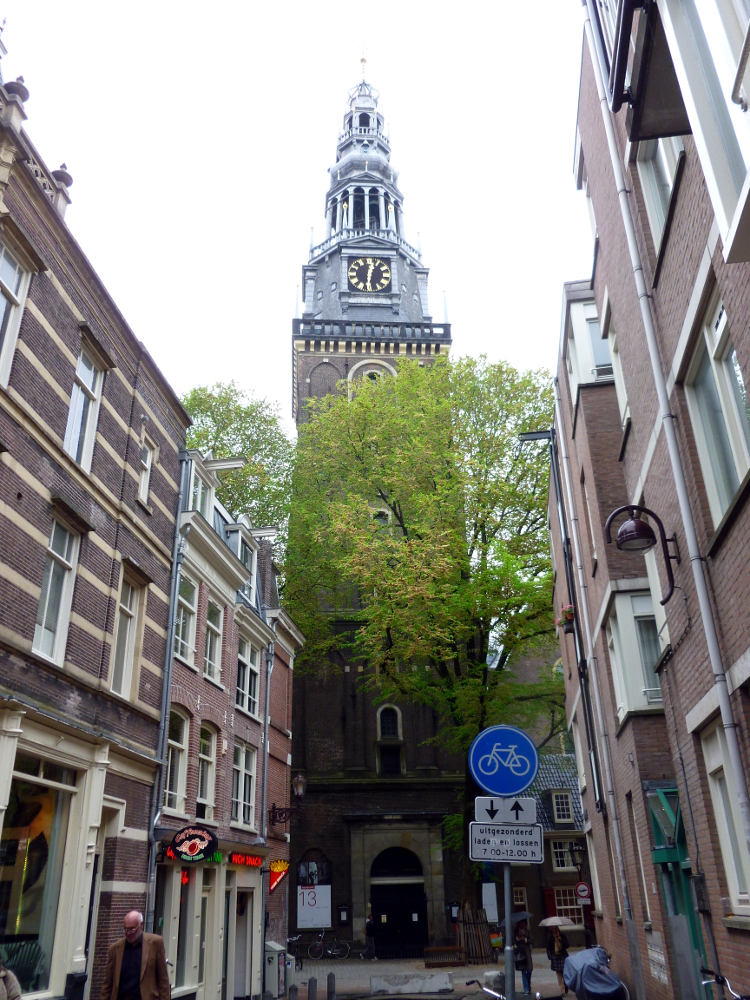
The Old Church in the heart of Amsterdam not only serves as a place of worship but also as a concert hall, wedding venue and exhibition and reception area.
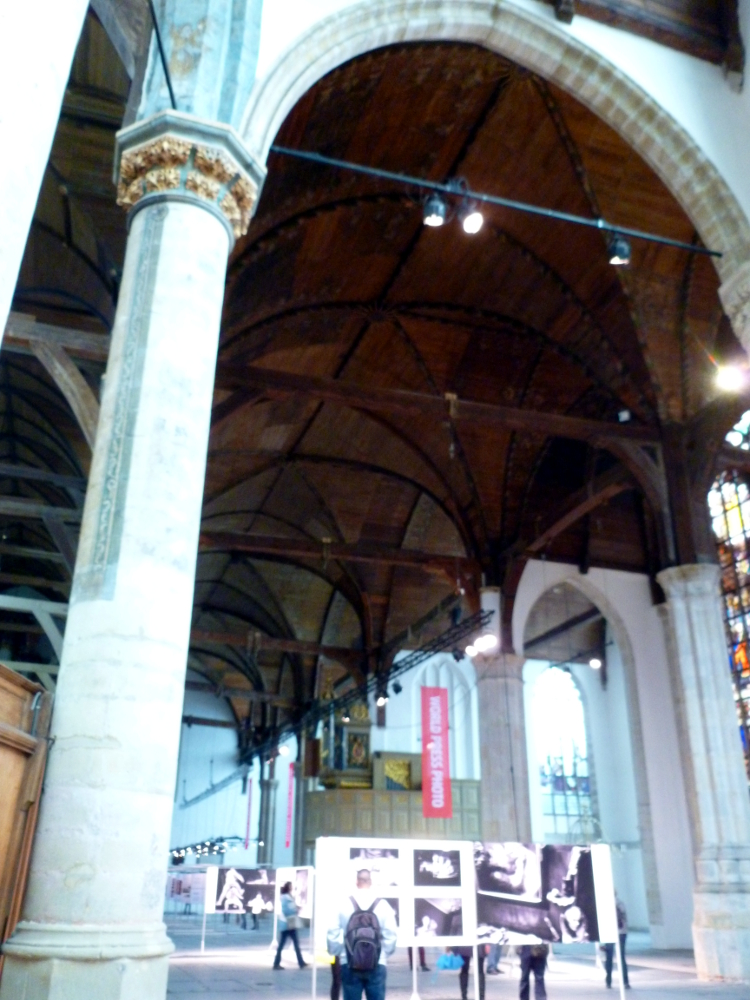
World Press Photo Laureates from Russia and the Soviet Union:

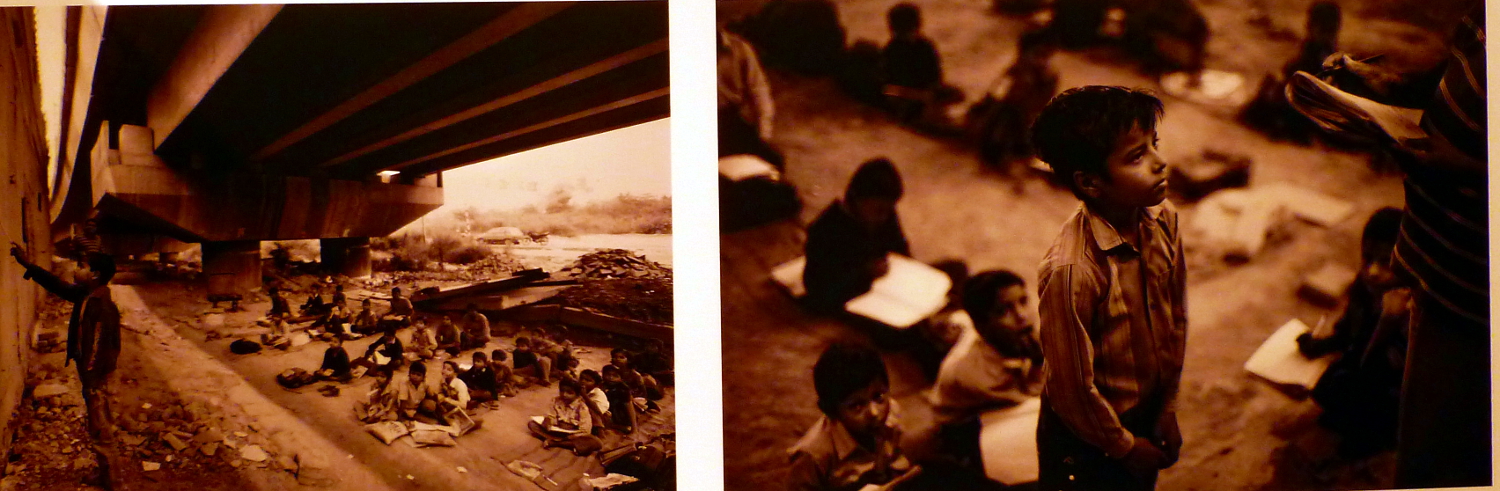
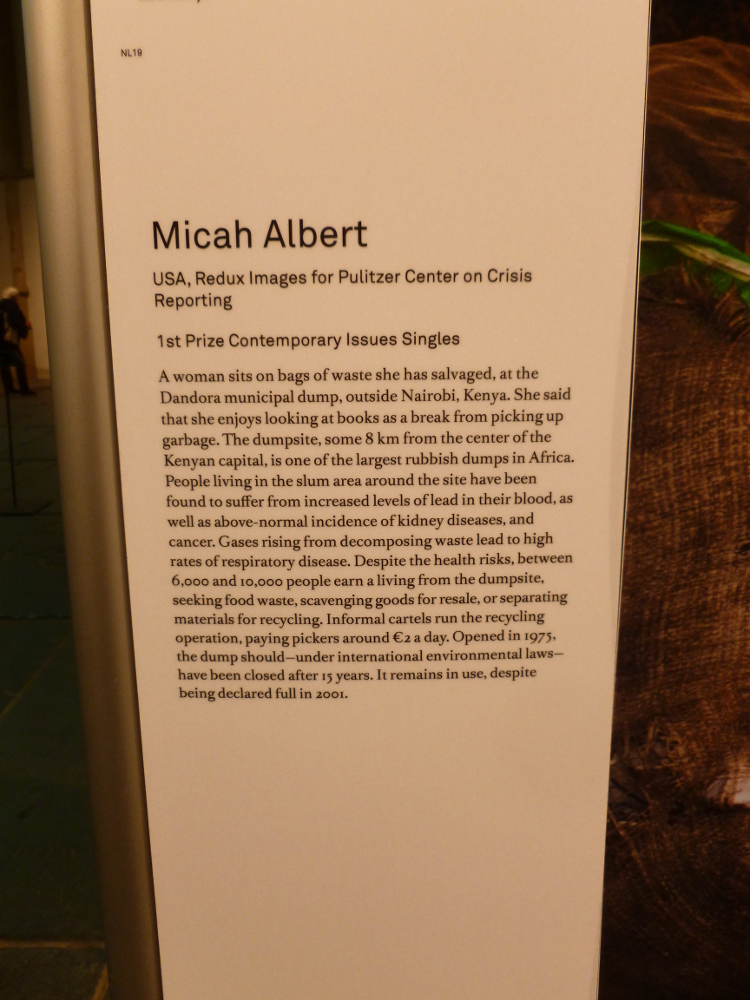
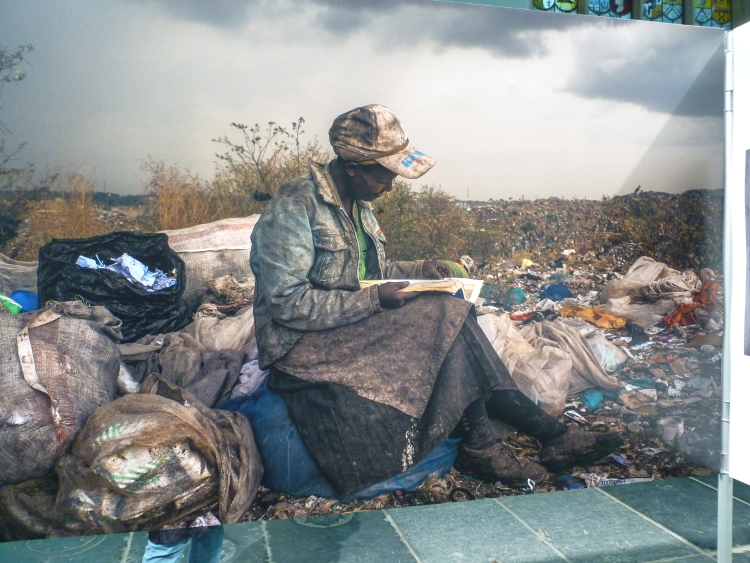

To see the previous posts about De Oude Kerk and the photo journalism laureates:
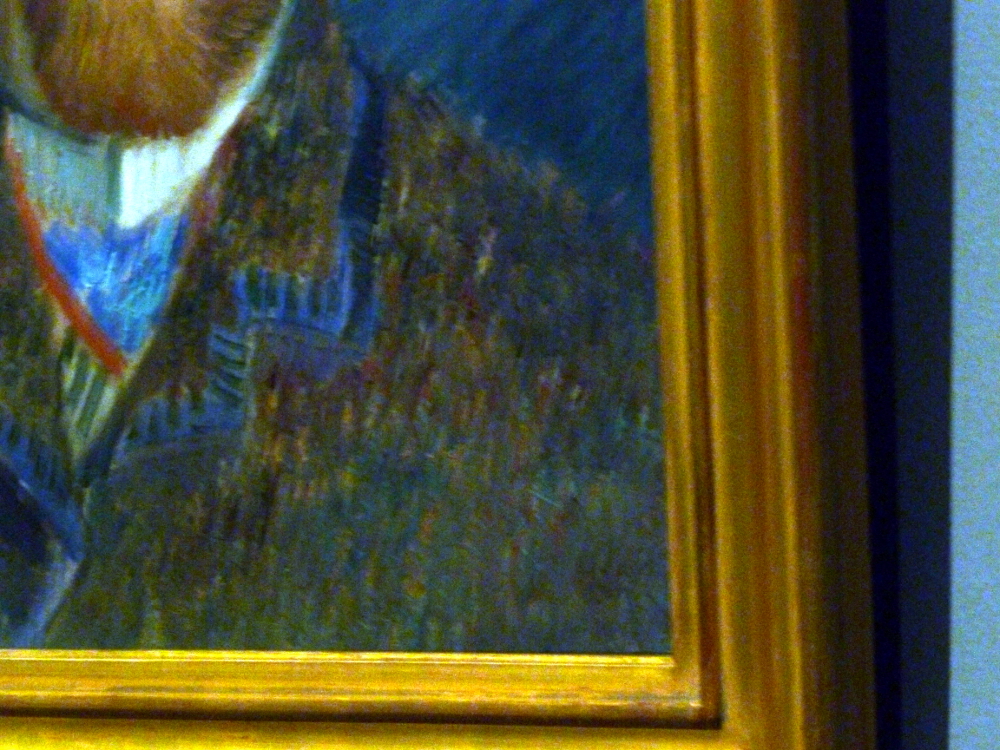
I used to think Van Gogh had a loose style. After seeing the paintings up close, I no longer think so. Although the images are constructed of many individual strokes of color, each of those paint strokes is carefully and deliberately applied. In this painting, see how the paint strokes are directional, showing different overall directions in the jacket.
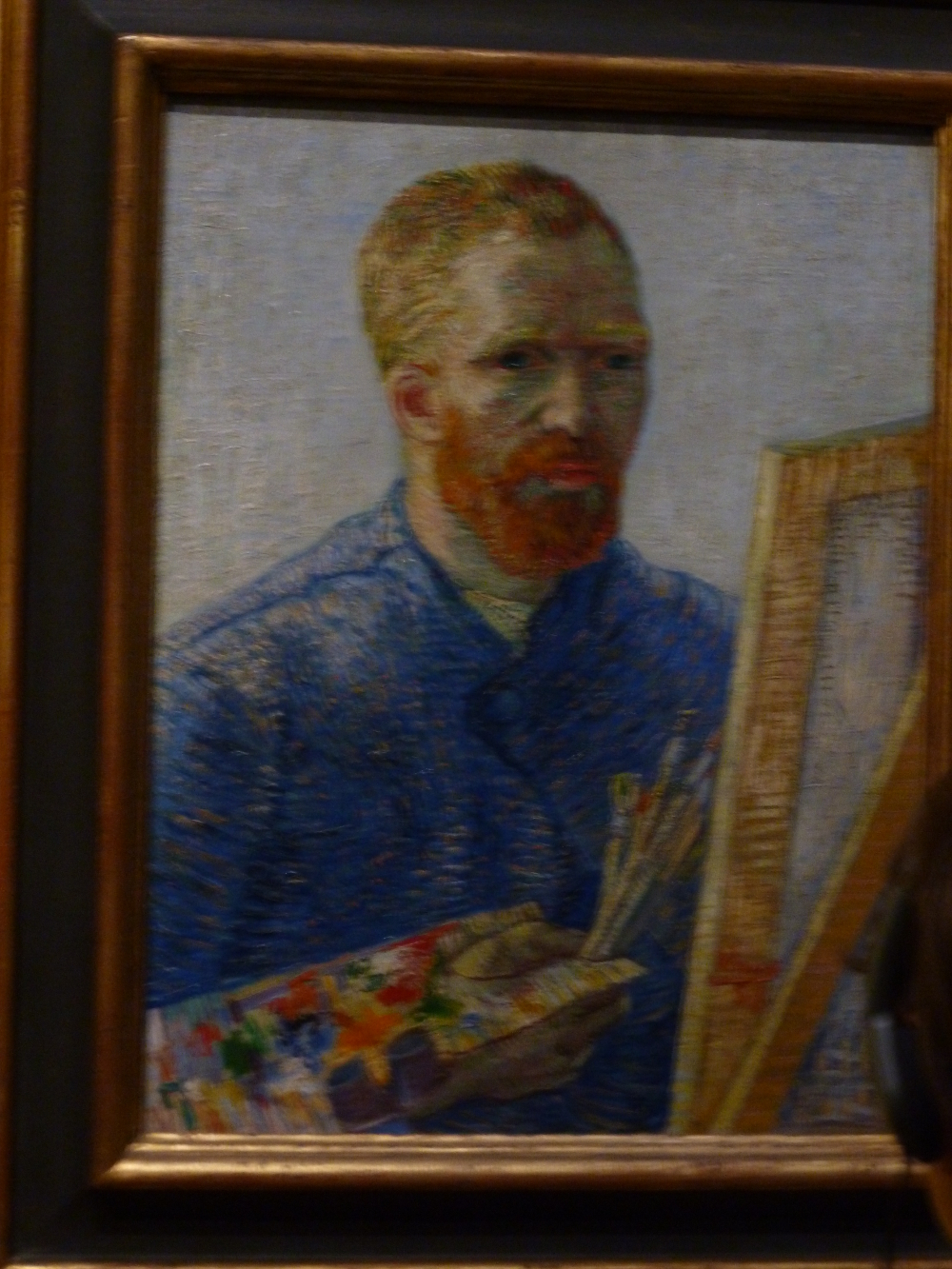 Van Gogh Self Portrait at field easel
Here are close ups:

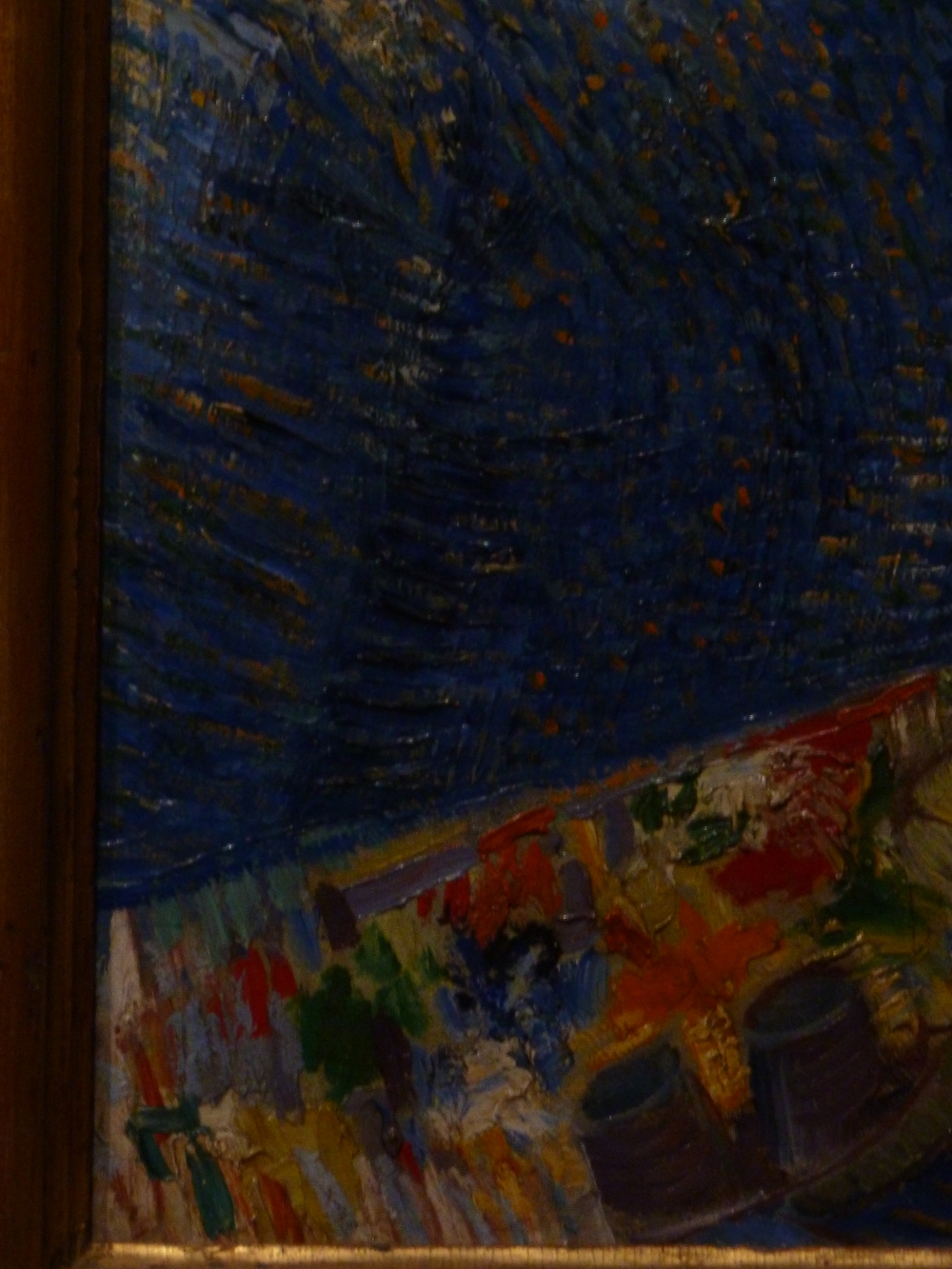
The next one’s blurry, but bear with me, the detailed shots turned out better.
These turned out better:

I loved the Rijksmuseum. The layout is orderly, lots of light, the museum isn’t too big and the galleries are very spacious. But if you go out to get lunch at the cafe, realize that you have left the museum and have to get in line to get back in again. Nice cafe, though. But a bit crowded. The best thing about the museum is the art. Gorgeous.
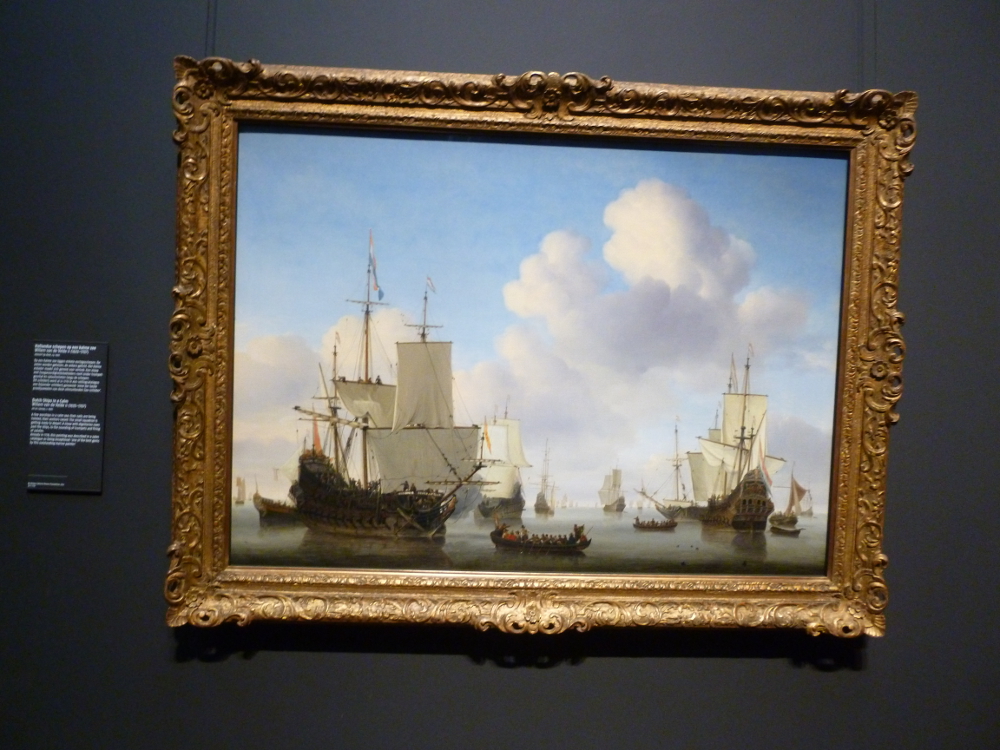
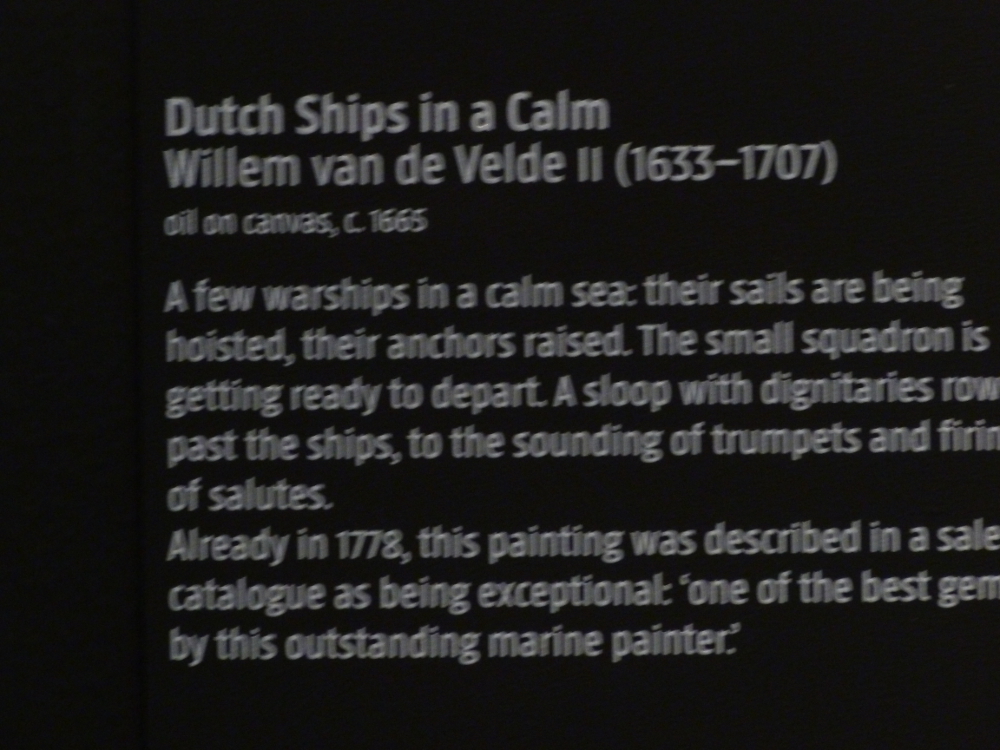

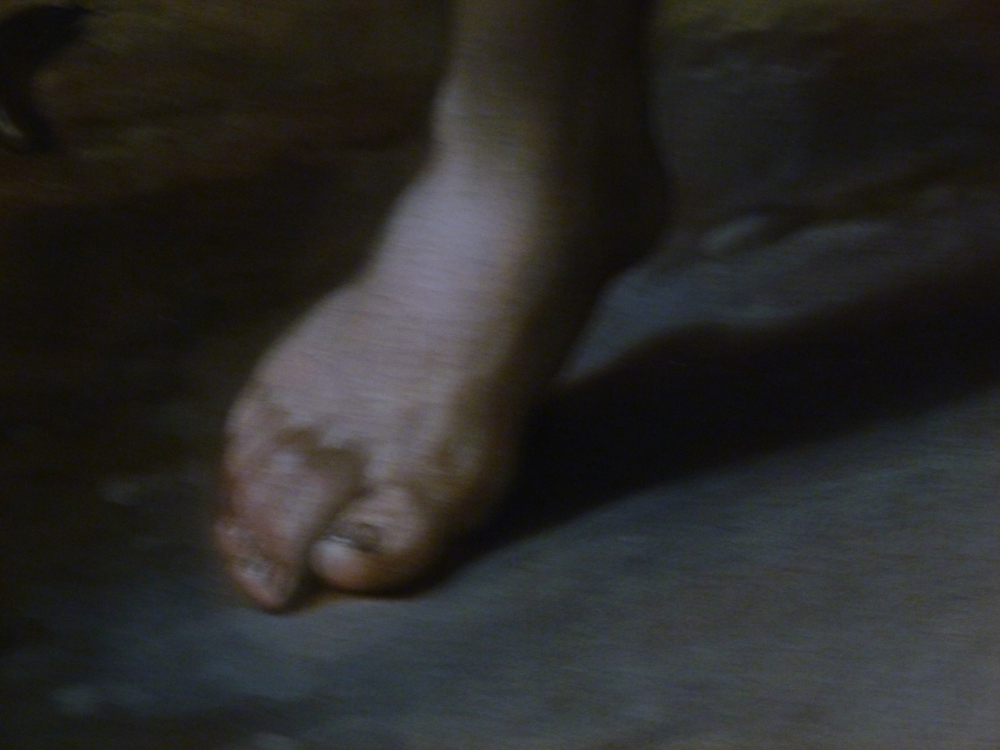
Okay, here are some close ups because while I was in Amsterdam on the houseboat, I was doing a lot of digital painting on my Bamboo. And discovering how hard it is to do feet. Check out these toes. (I know the photos aren’t too sharp, sorry, but you have to work fast in a museum so as not to annoy people and you can’t use flash.)
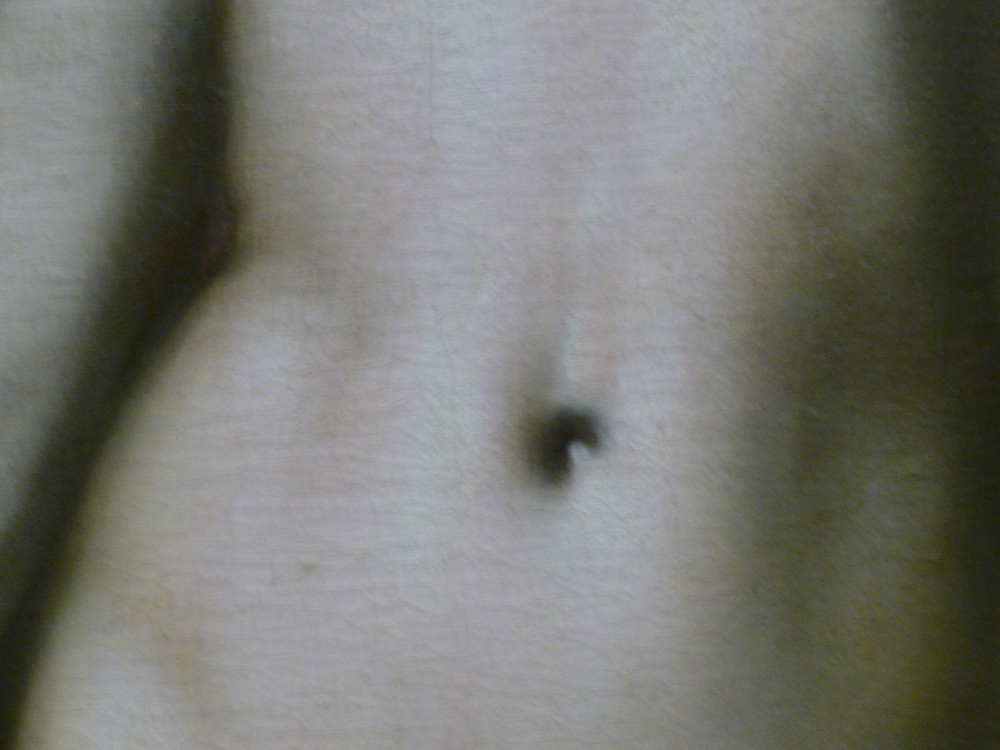
Then I was also trying to paint a torso from a life pose I had in an ebook I bought. Found out really fast how hard life drawing is. I spent about 20 hours on it and it didn’t turn out. Apparently, according to a friend who’s an artist, I need to take a life drawing class where they will teach me about anatomy and technique. Here’s what a stomach is supposed to look like:
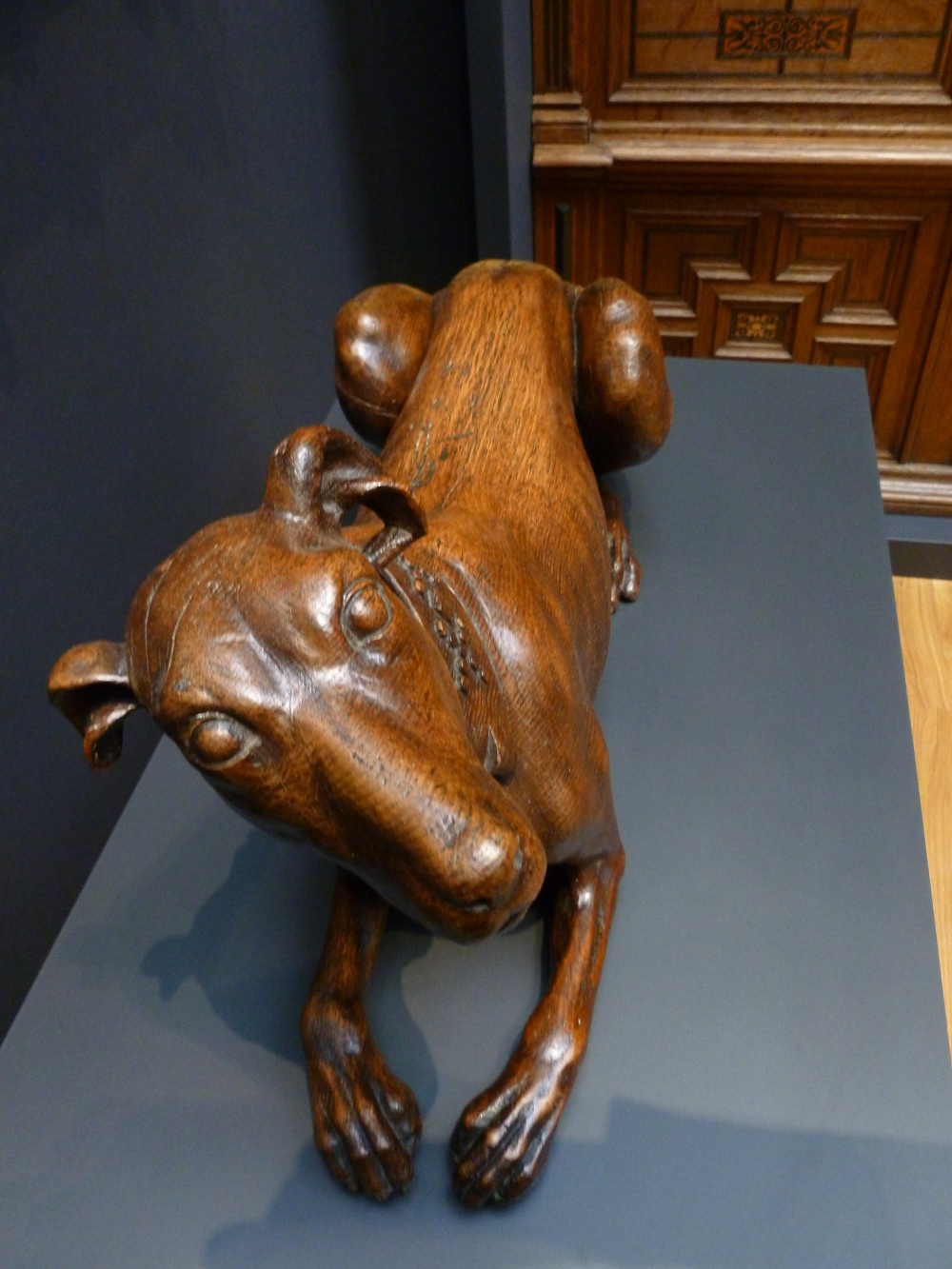
Check out this sculpture. You don’t see this kind of thing in every museum.
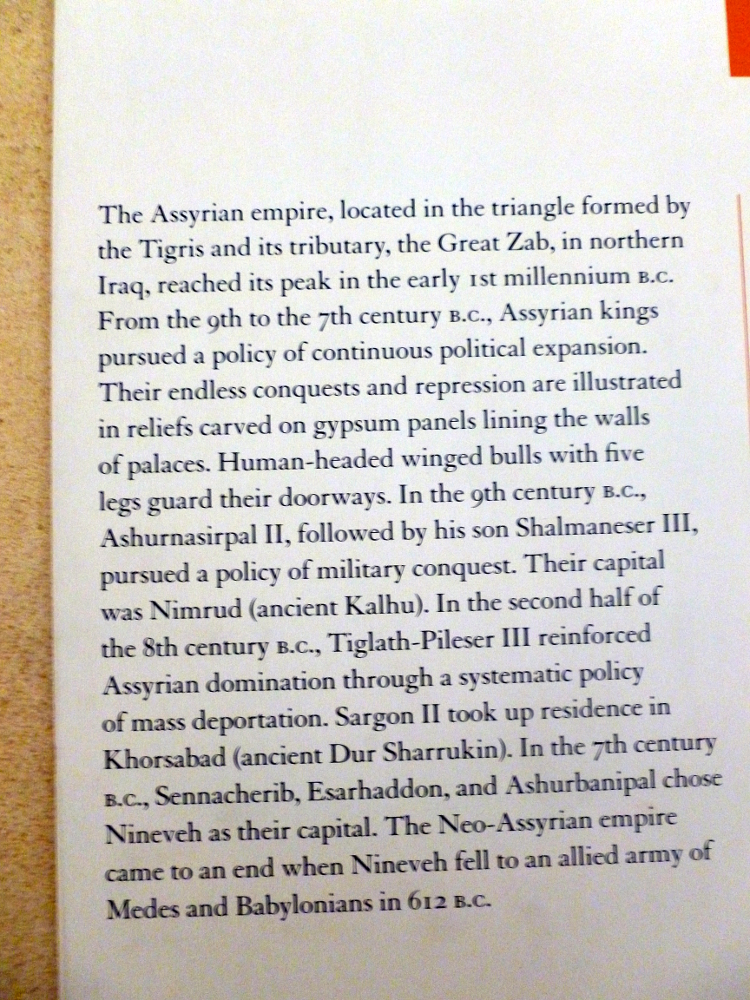
In trying to find the info that went with this room, I discovered that I put the wrong info on the room about Darius. The Assyrians were this room, not the Darius room. I fixed that post (The Louvre, everywhere you look there’s something amazing, 1); sorry for the confusion. Time stamps are really helpful for museum photo forensics.
Here is the info again, this time associated with the correct room, one that we found while trying to find our way back from the long excursion to The Code of Hammurabi.
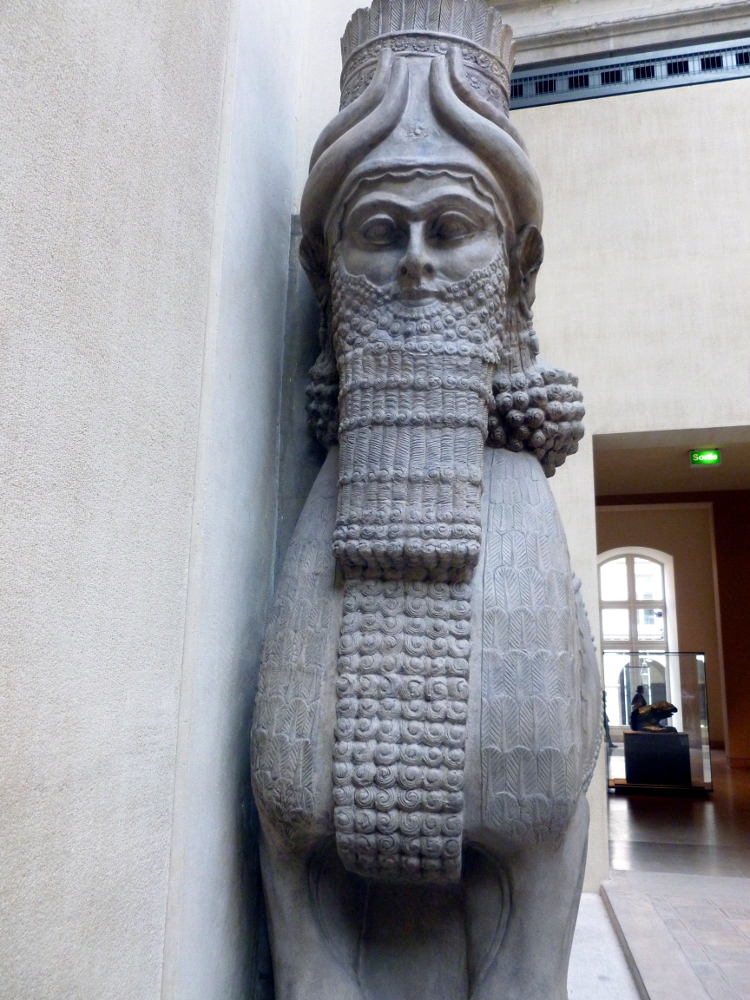
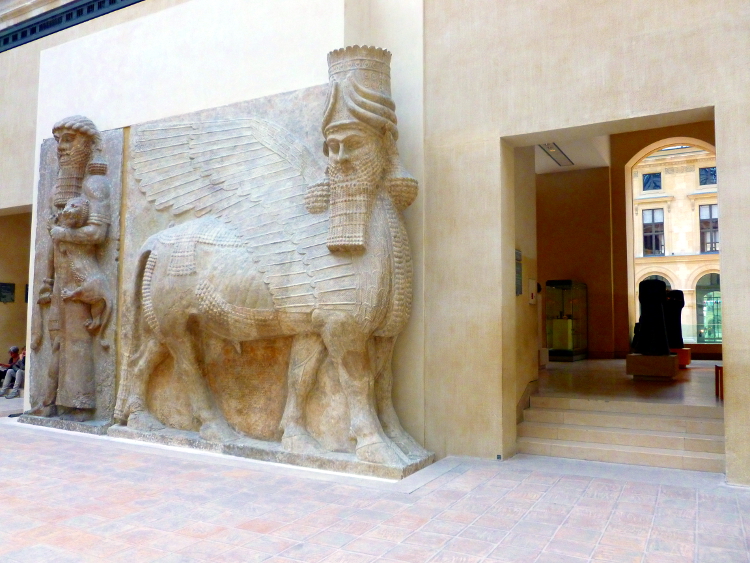
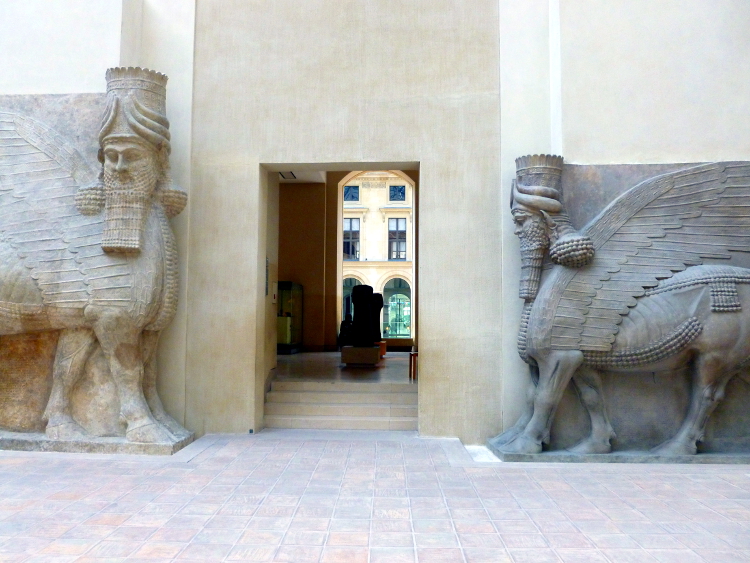
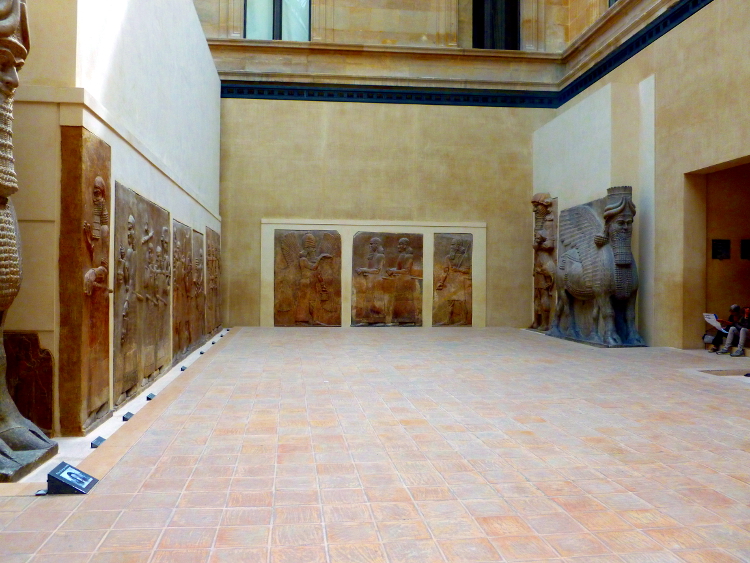
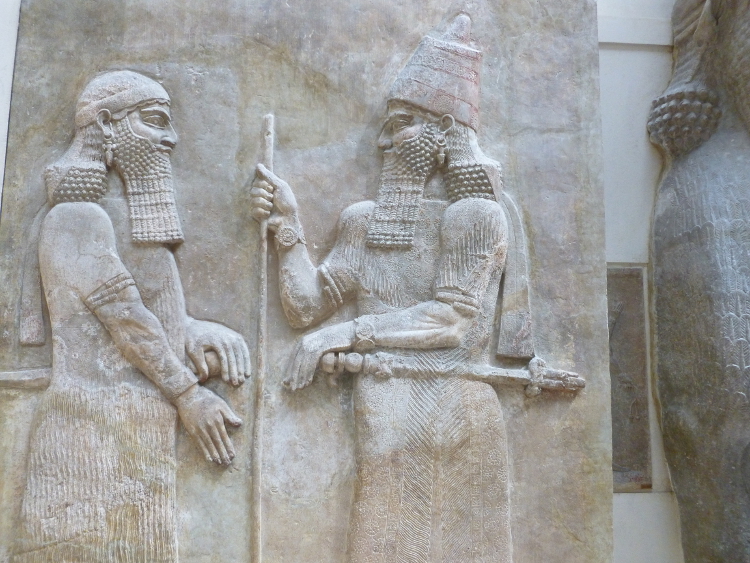
The next one looks a little odd with the corners because I tried to rotate it and then ended up with with empty corners. Picasa has a great horizon leveling tool, but it was doing other things on my computer that I didn’t like, so I removed it. Haven’t quite figured out how to do the same thing in GIMP. But take a look at the shape of the doorway in the background. It’s shaped like an urn. I didn’t notice it when we walked through this room, only just noticed it now in processing the photos.

This book was recommended to me and I read it without having read its predecessors, (Missus and The Harp in the South) in the trilogy. Poor Man’s Orange is an Australian novel first published in 1949.
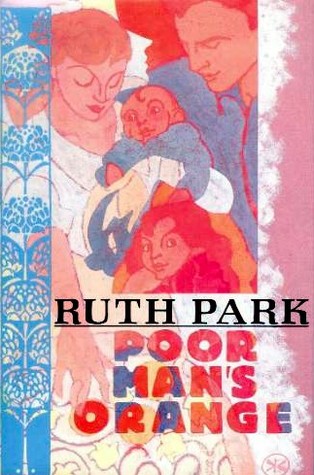
In Poor Man’s Orange, we start off right in the middle of the family. The style has a slice-of-life feel. And it’s subtle. I didn’t know who the hero and heroine were for a long time.
Charlie’s transformation is so fantastic. I hate these lazily written books where the hero just has a sudden thought that he loves her and so he’ll be totally different now and become the man we want the heroine to marry.
No! Prove it to me. And Park does. How she does!
Charlie’s fall to the bottom is like a bungee jump in slow motion. We get to agonize for pages and chapters about whether that rope is going to be the right length. Or will he slam headfirst into despair and ruin as do so many people in the slum?
The slum, by the way, achieves that to which all writers either aspire or should aspire, an environment so alive, so vibrant in its detailed reality that it rises to the level of a character in its own right.
What Park does, not by standing on a soapbox and waving a finger as she lectures us about not judging the poor for being dirty, but by showing us the absolute impossibility of keeping a clean house when you are impoverished. Mumma is burdened and defeated by filth, Roie destroyed by it. Dolour fights it, but of course she cannot defeat it. The most Dolour ever accomplishes is cleaning one small corner. The way Dolour manages to escape the grip of filth cannot be to overcome it because that would defeat the author’s purpose of showing how impossible it is to defeat dirt when you are poor. Park manages to keep Dolour above it, not of it, by having Dolour turn away from it, to show us the unconquerable cleanliness of her spirit. But the inevitability of dirt reigns supreme in this book. The slum never gets cleaner, never improves, never changes, even as it is about to be wrecked.
The leveling planned for the neighborhood is for the benefit of the land owners and developers, not the poor inhabitants. They will all go somewhere even worse, the elderly shunted off to die prematurely from stress as the homes they spent a lifetime in are knocked down in minutes.
The resurrection and triumph of the hero is brilliant. Even as Charlie almost falls into the miasma of sin that Dolour feels swirls everywhere around her, ready to suck her and anyone who becomes weak into it, the reader sympathizes with him for the reader has lived through his reasons with him.
And then his transformation. Park earns it. At the end — no — I’m not really going to tell you the end. But Charlie’s transformation, wow. You get it. You can believe it.
Park also builds character by showing, again through a poignant scene, what Dolour admires. Or, to be more precise, who Dolour admires. The nuns who maintain inner tranquility and order, holding themselves bulwarks against chaos. I love the bit about Dolour and her friends wondering what the nuns take in their small travel valises, which represent the sum total of their worldly possessions. Park uses this as a way to show again, as she shows multifariously throughout the novel, the romantic sensibility of the heroine. In this scene, what Dolour imagines in the sisters’ valises is romantic, by contrast to the cynical guesses of her friends.
The crowning glory on this book was the subtle revelation only at the end that it followed The Ugly Duckling story archetype.
 Nicci Carrera