
Snaps of Paris 6



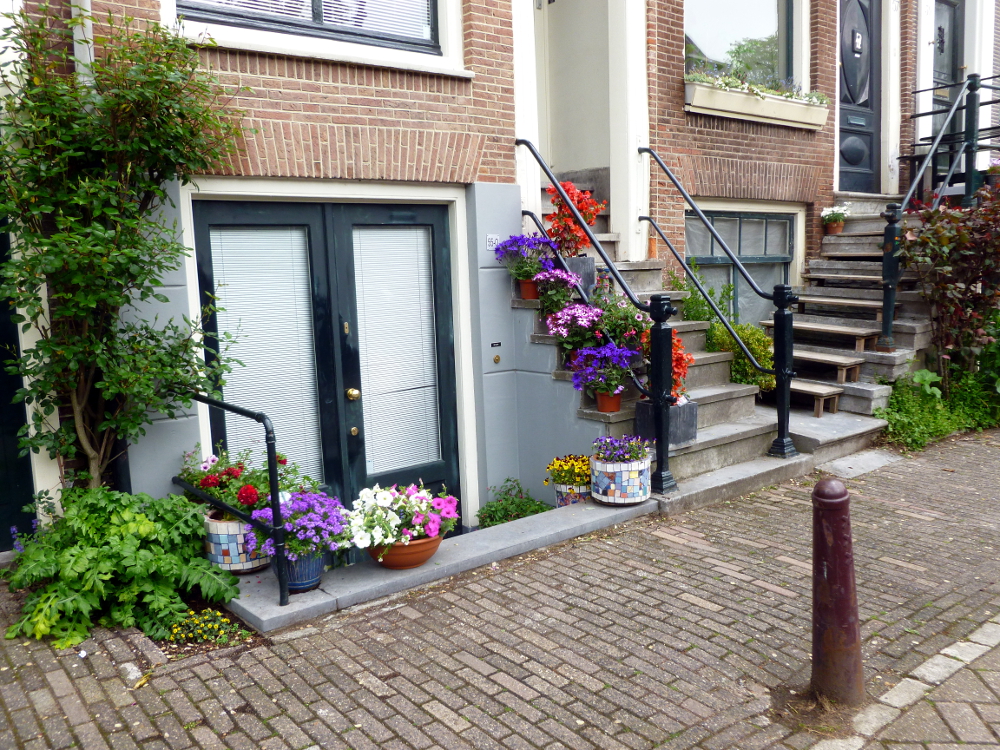
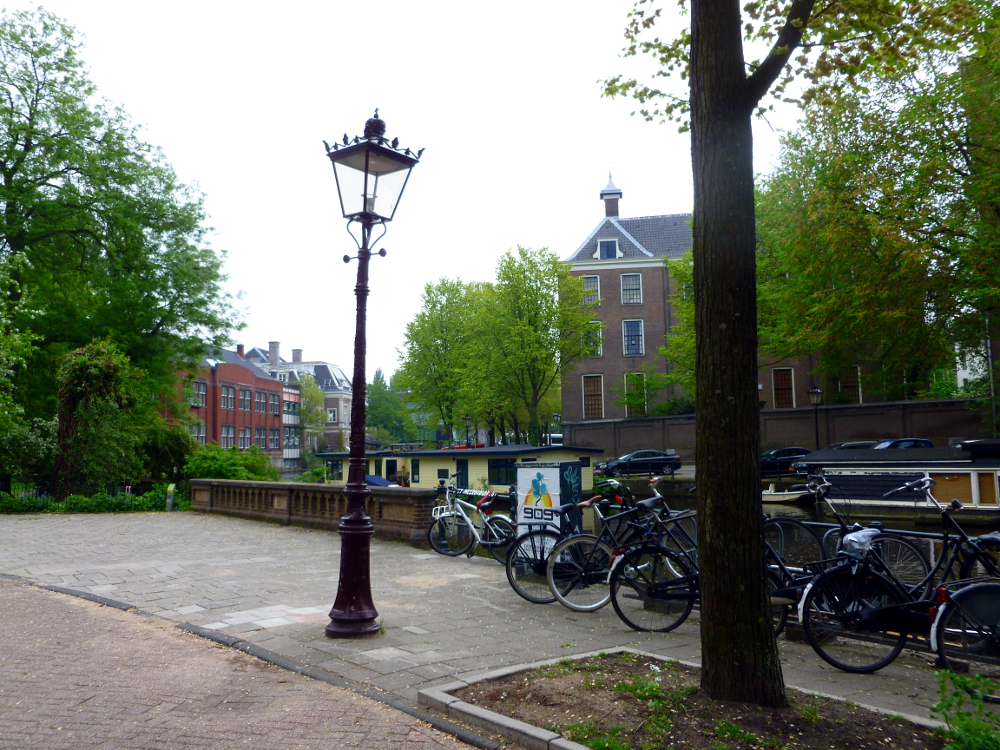
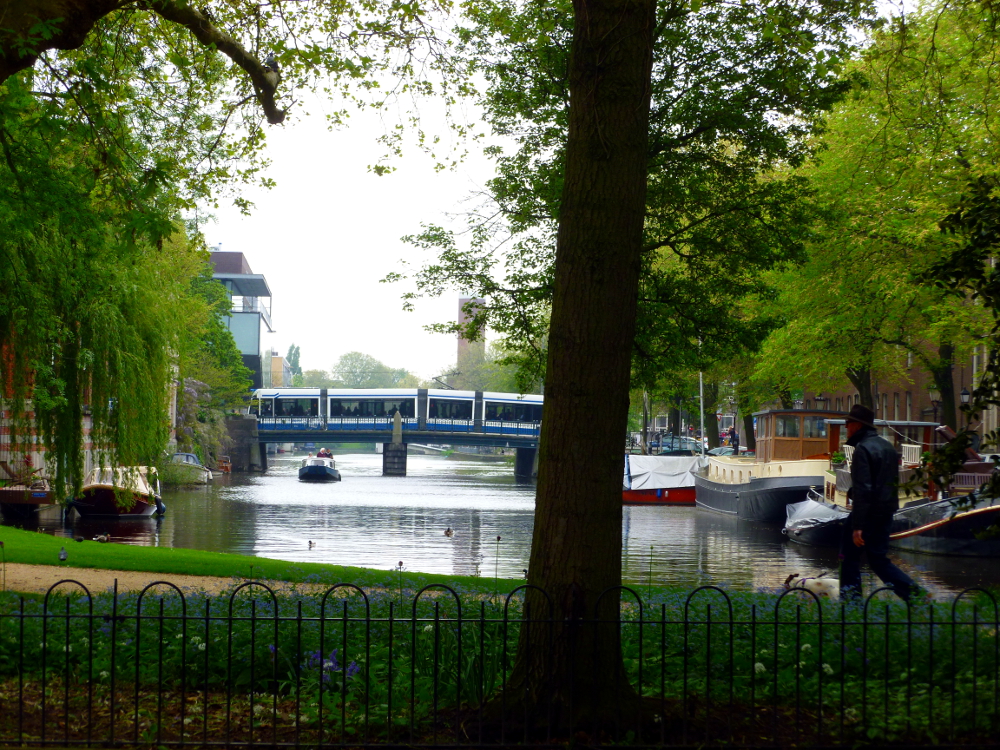
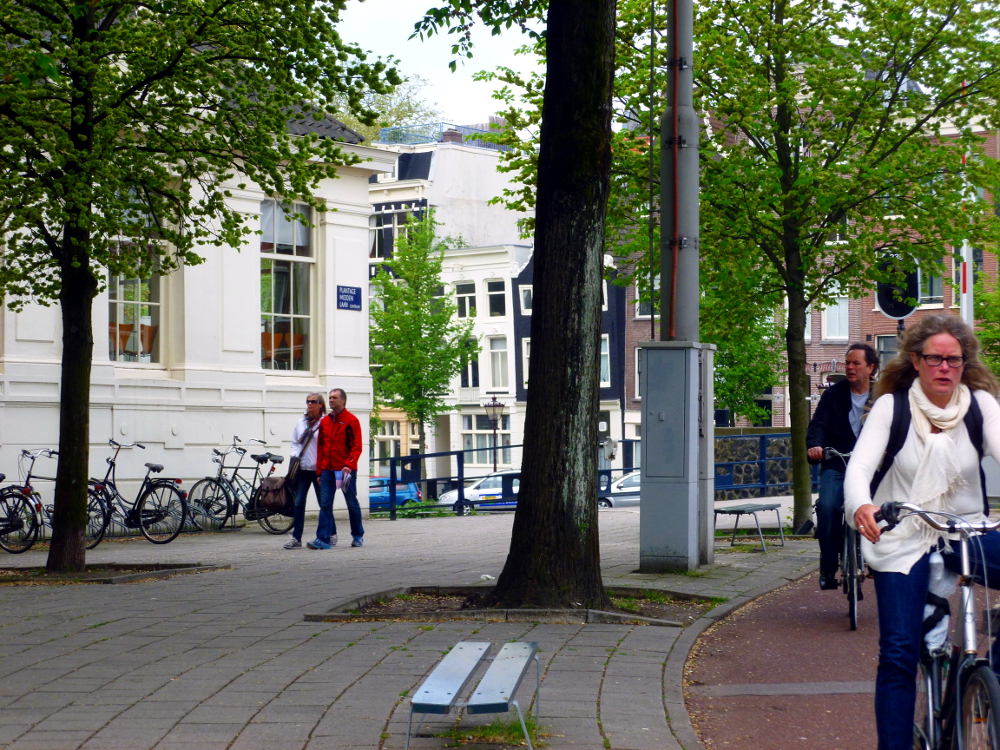

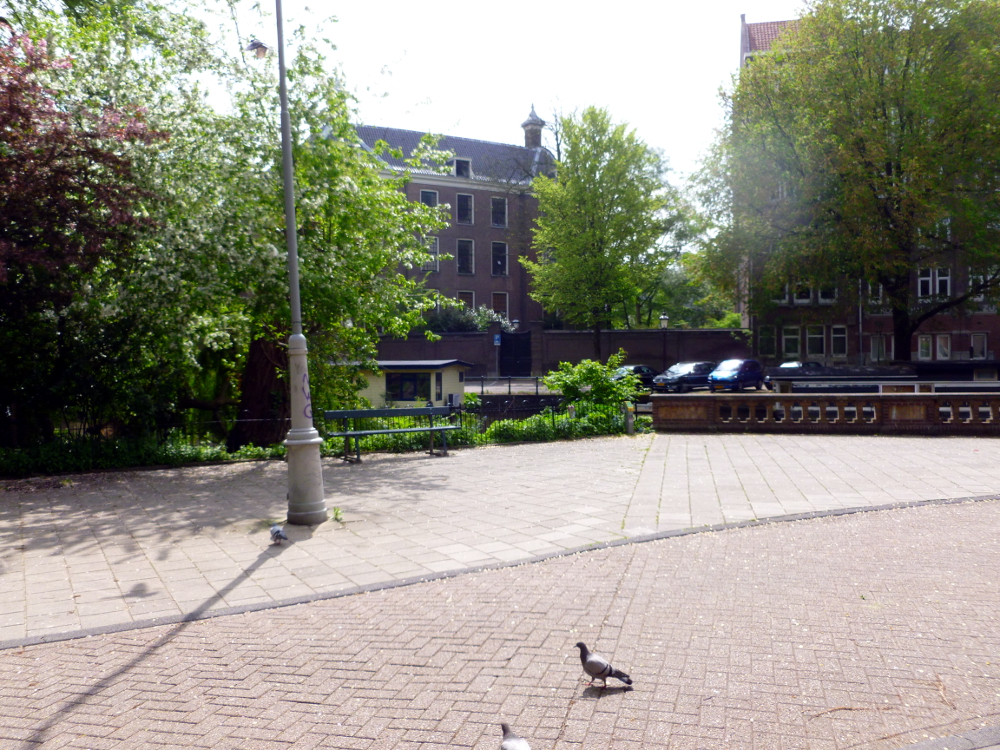
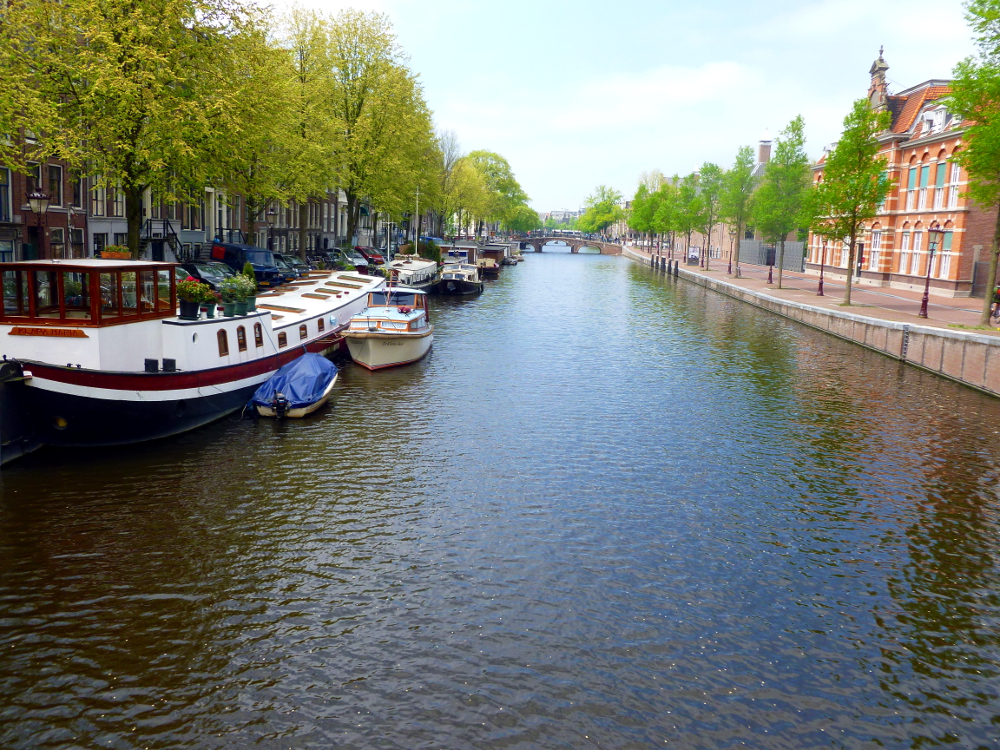
Amsterdam, Hortus Botanicus (botanical gardens)

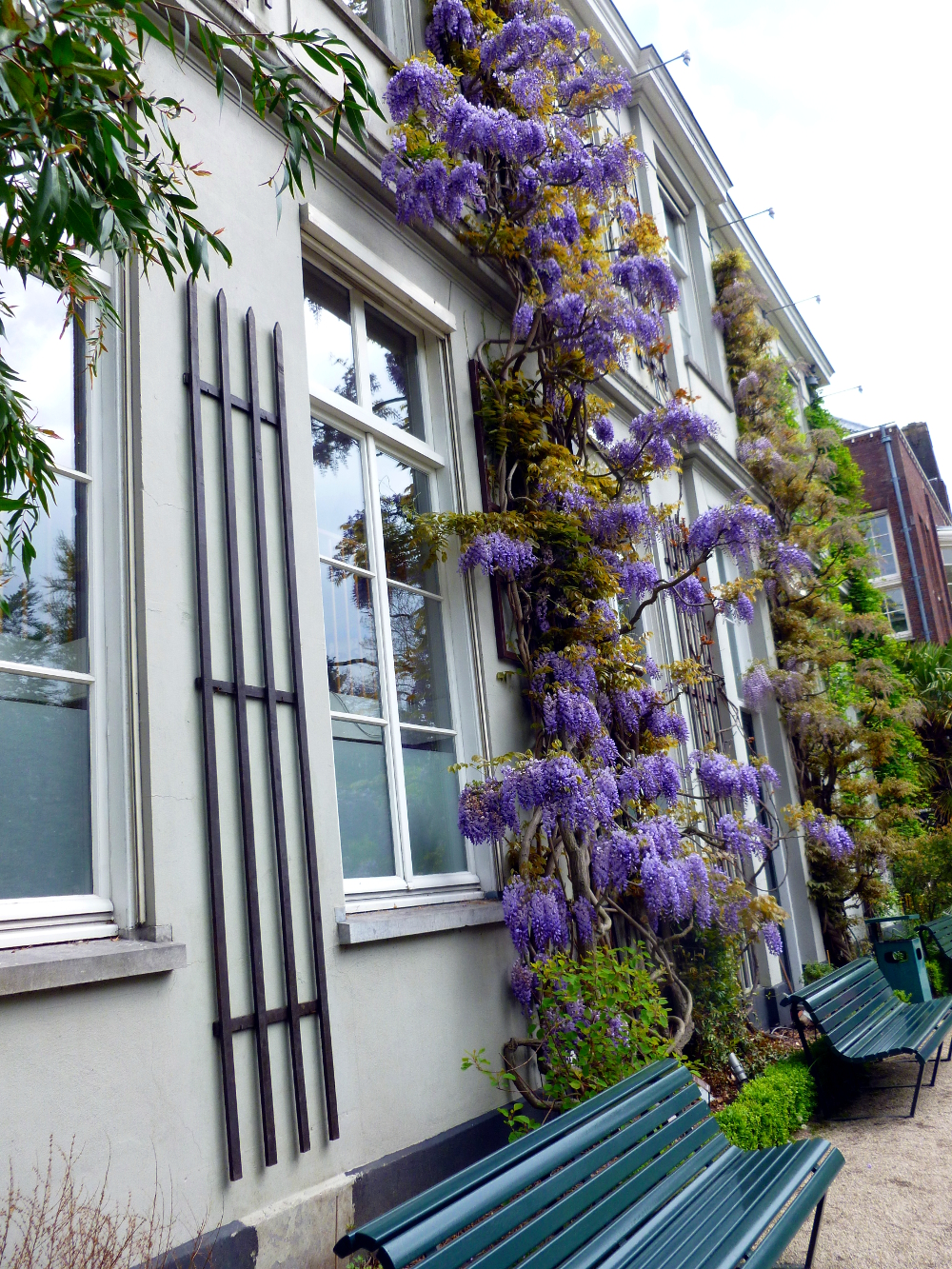

De Oude Kerk (The Old Church), Amsterdam
First, here’s some info about the church, from their website:
The Old Church
The Old Church is in the heart of Amsterdam right on the ramparts. It is the oldest building in the city and was founded by fishermen on the river Amstel. Around 1300 there was erected a stone church, dedicated to St. Nicholas. This church would become the imposing medieval monument that exists today.
The Old Church not only serves as a place of worship but also as a concert hall, wedding venue and exhibition and reception area. It is the living room of Amsterdam. That’s always been the case: Fishermen repaired their nets here, played the organ, and Sweelinck and Rembrandt went here to marry. Generations of Amsterdam residents, including the naval hero Van Heemskerck, are buried in this European monument.
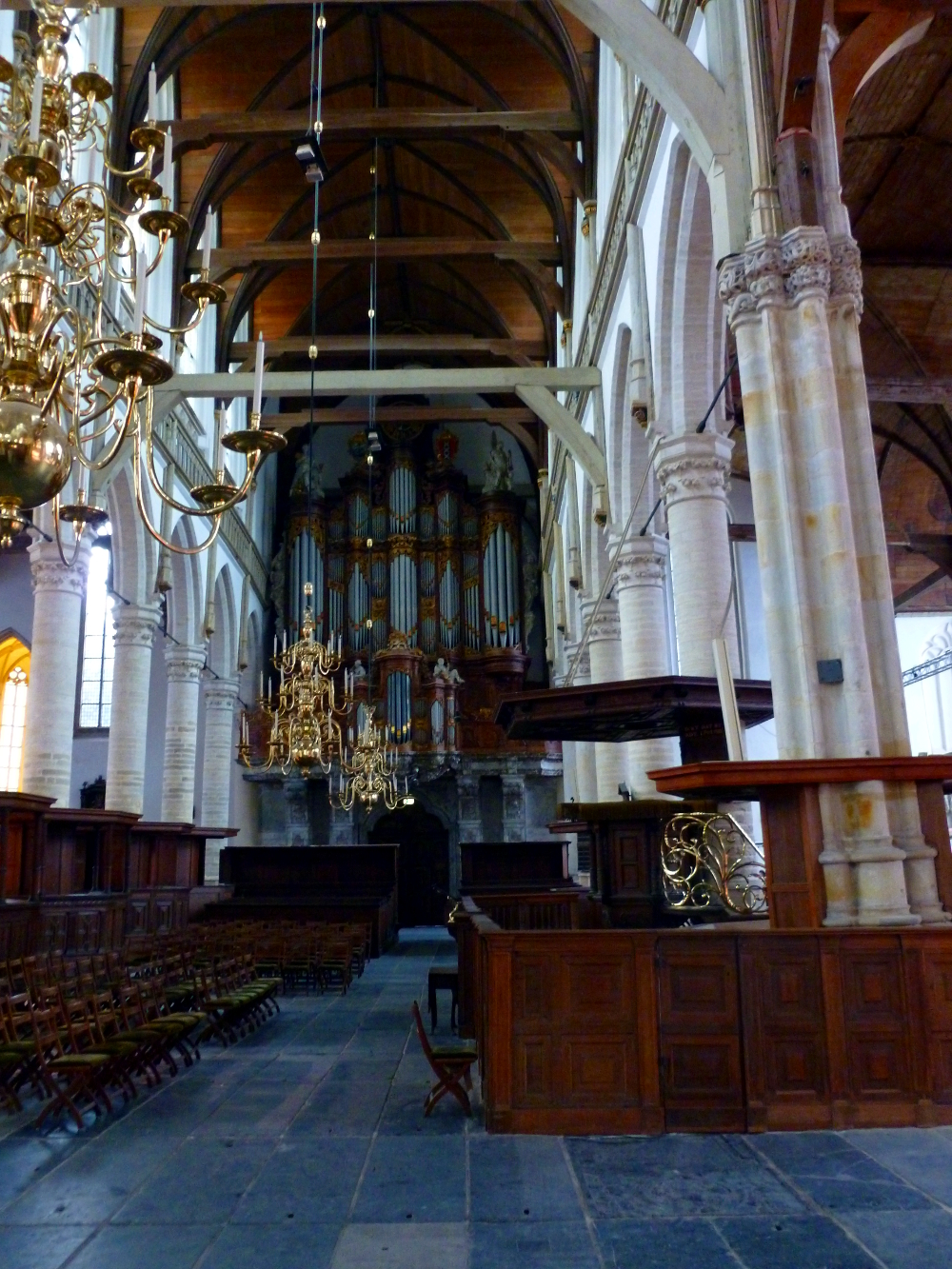
Our experience in May 2013
We were walking, of course, as we walked so much in Amsterdam (afraid of getting in a bike crash) that I ended up with tendinitis in my hip at the end. On this sightseeing adventure, I was in front, picking my way around some construction work being done on the paving stones outside the church, and behind me, my husband was being propositioned by a “lady of the night.” Does that moniker still apply during the day? Well, you know what I mean. Now, this is a man who takes pretty much everything in stride, but he was startled enough to catch up and tell me what happened. His eyes were pretty huge! The lady in question managed to do this without me catching on. Pretty clever.
The church is right next to the red light district, we discovered.
The World Press Photo laureates from Russia and the Soviet Union were on display. These photos were fascinating and some of them were disturbing, as photojournalism can and should be, bringing to light experiences of people around the world, both positive and negative.
The church itself is amazing. You look at these tombstones on the floor and know that beneath them are people who lived in Amsterdam hundreds of years ago. And you think about their lives.

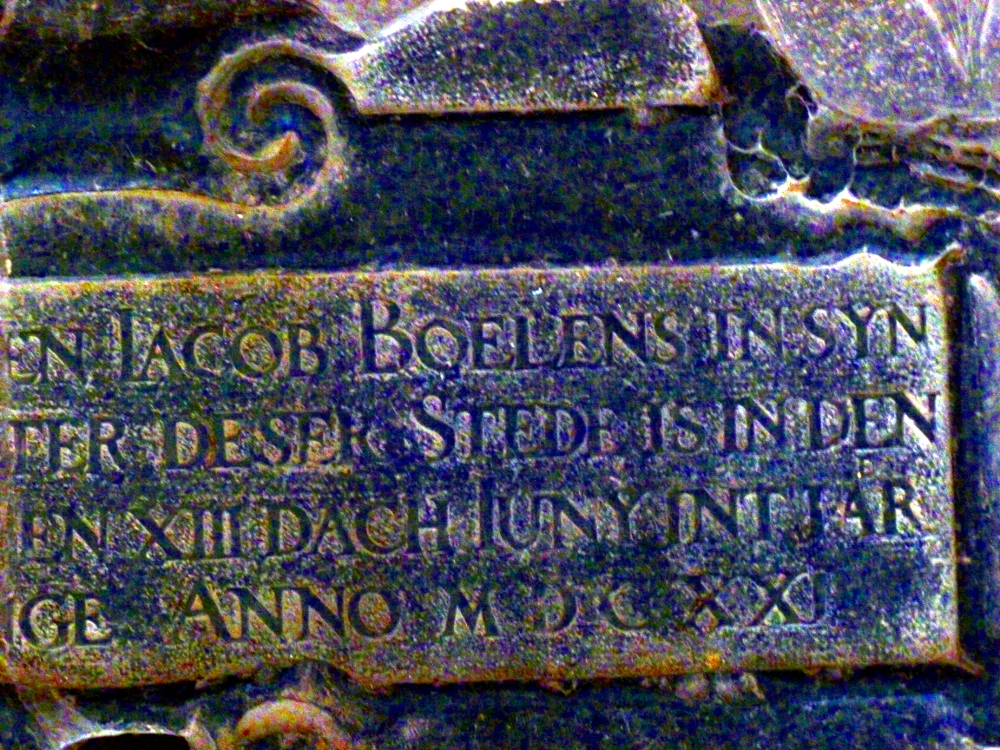
That was a lot of death, so here are some thrilling photos of life at its best from the Photo Laureates, Wei Zheng and Yongzhi Chu:

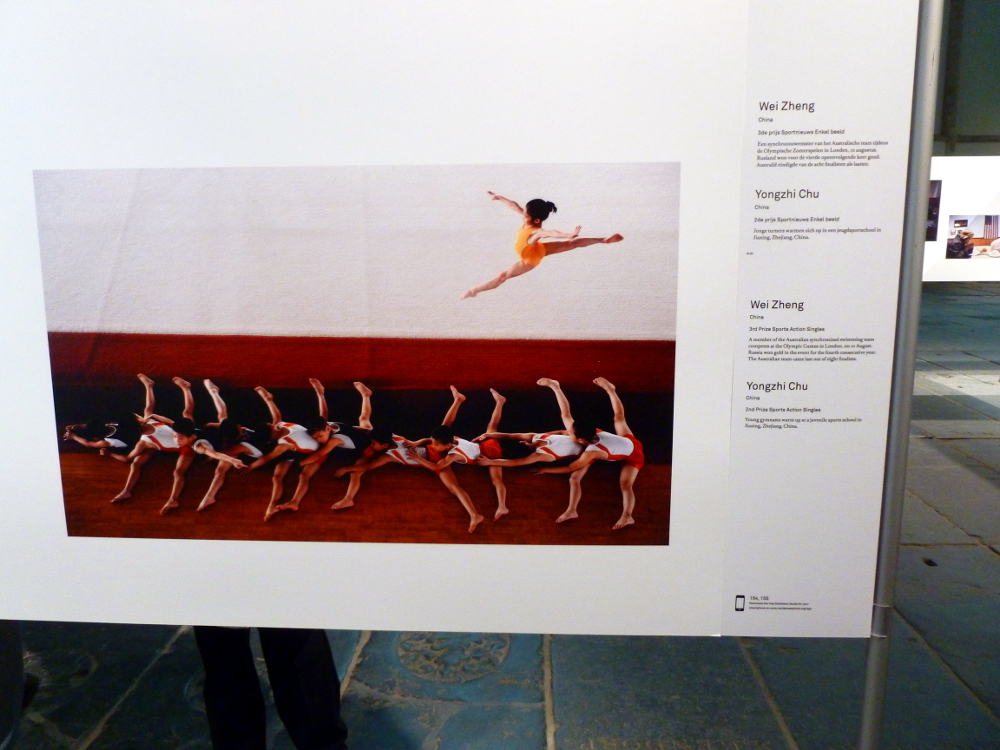
Looking at these photojournalism masterpieces reminds me of Leanne Cole’s post yesterday in which she discusses art and photography. I highly recommend it: What is Art?
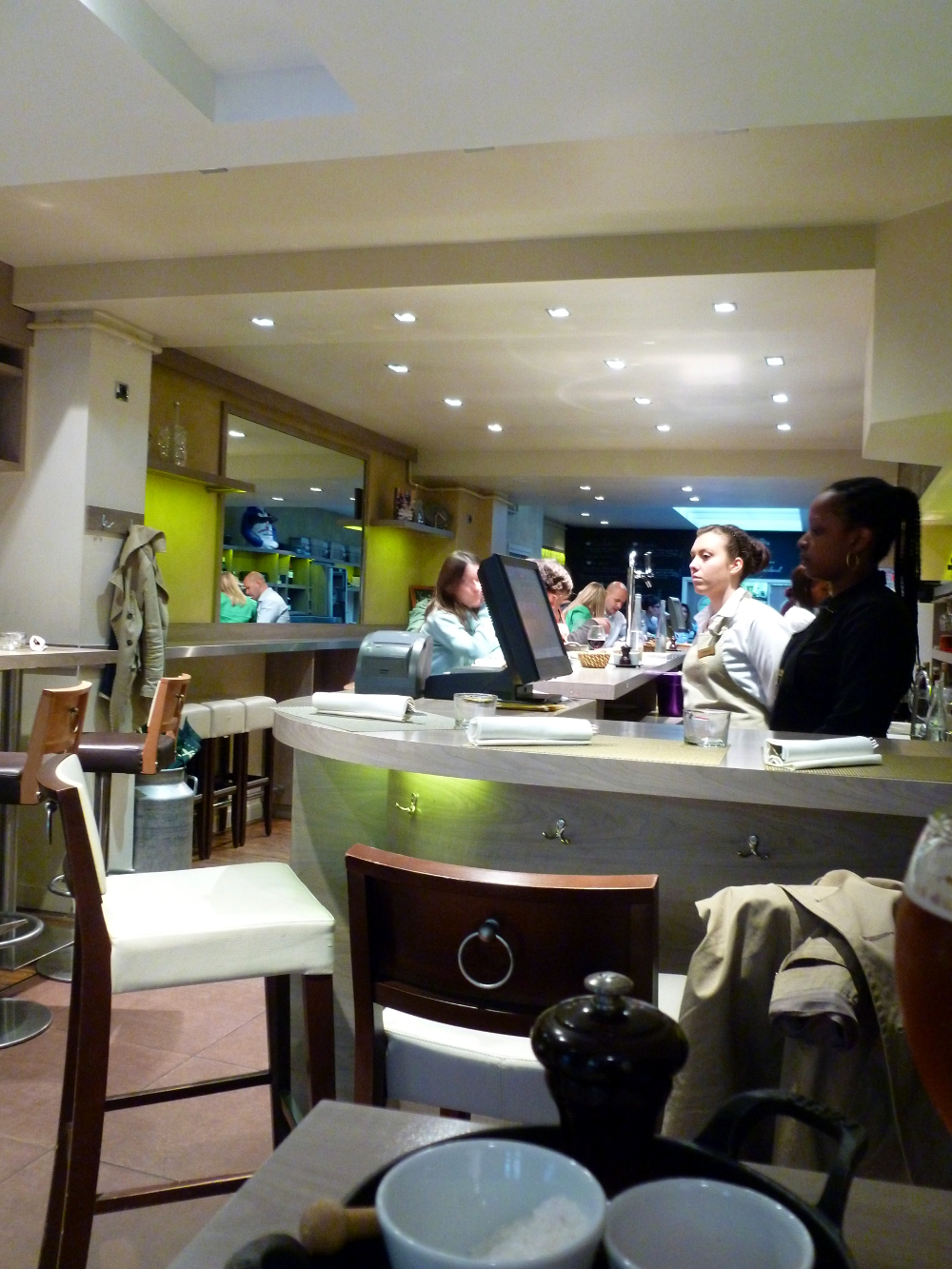
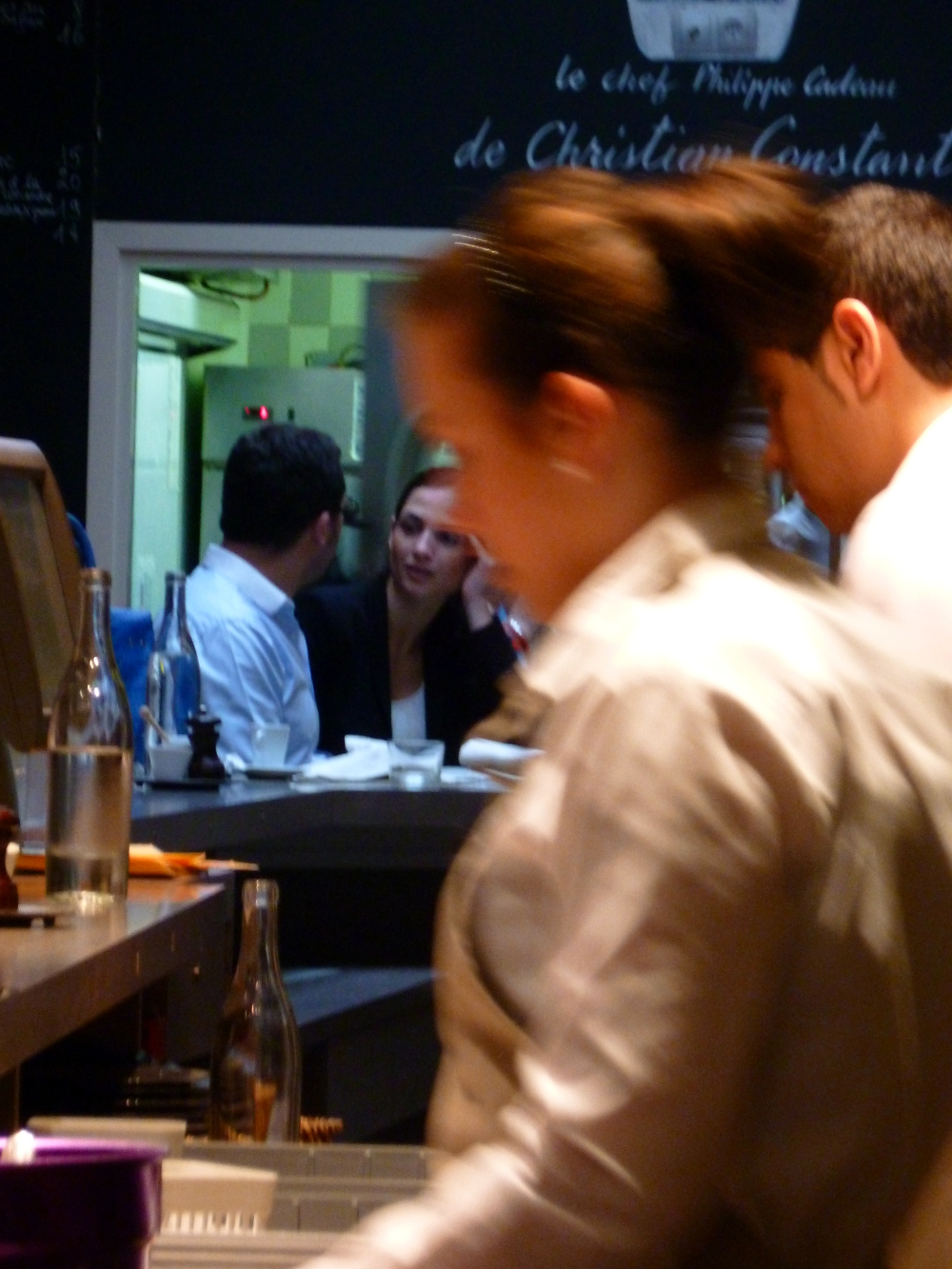
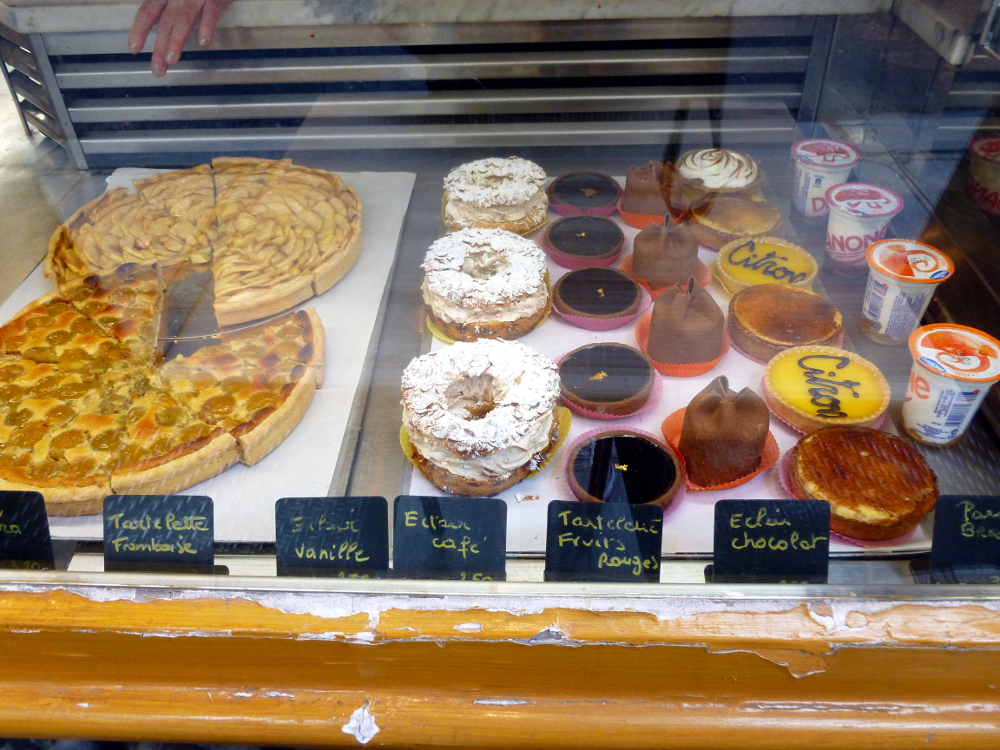
Paris, 7th Arr (near Eiffel Tower), Christian Constant restaurant and dessert

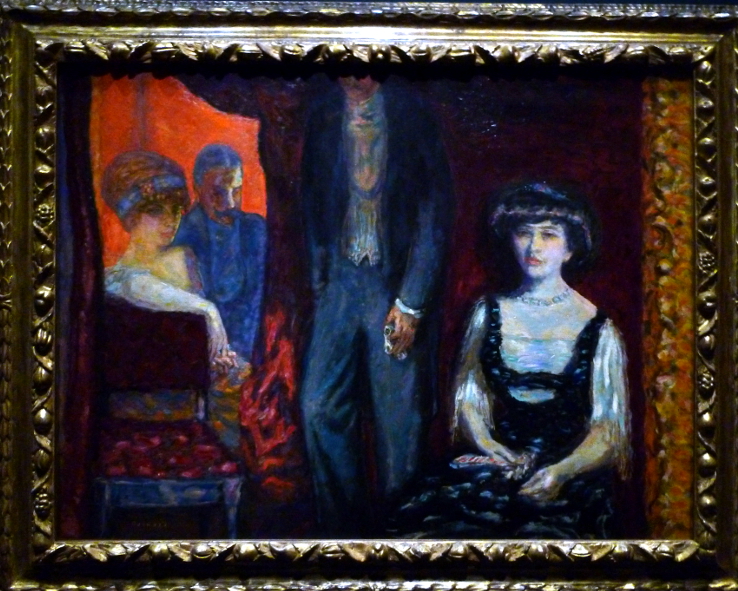
Paris art, Pierre Bonnard and the Nabis
With the benefit of hindsight and museum curators, it’s easy to know what is “great art” and what constitutes a “school of art.” But in real time, artists have to believe in themselves, often without recognition. There is usually not an expert who comes along with a magic wand and deems: “Thou art an Artist.” An artist must believe in her or himself. And if they can team up with other artists to create a “school,” this again happens only because they decide this and make it so. Artists are brave souls who enrich our lives in ways that sometimes last for centuries.
I first was introduced to the work of Pierre Bonnard by a painting teacher at a little adult education class I took in Palo Alto. I was fascinated by how he painted walls, with so many colors. To see one of his paintings with the multi-colored walls, see this blog post about New York and art. On that day, I was thrilled to come upon one of his paintings in the Monet gallery. The Bonnard was there only because the Monet usually occupying that space was “away on tour.” At the D’Orsay Museum in Paris,
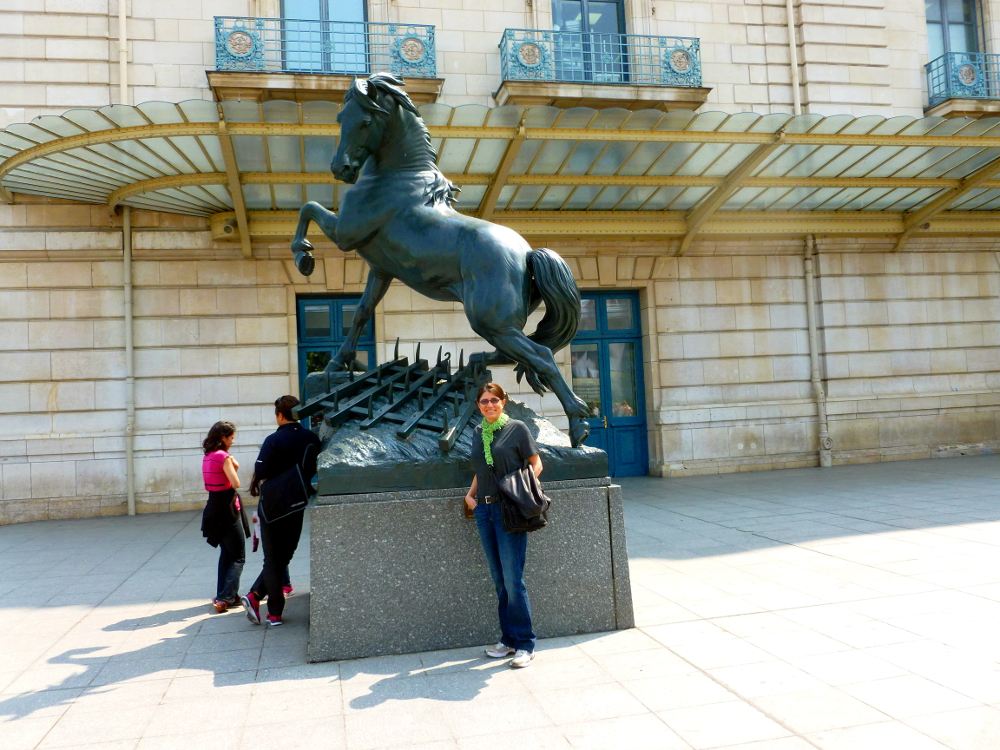

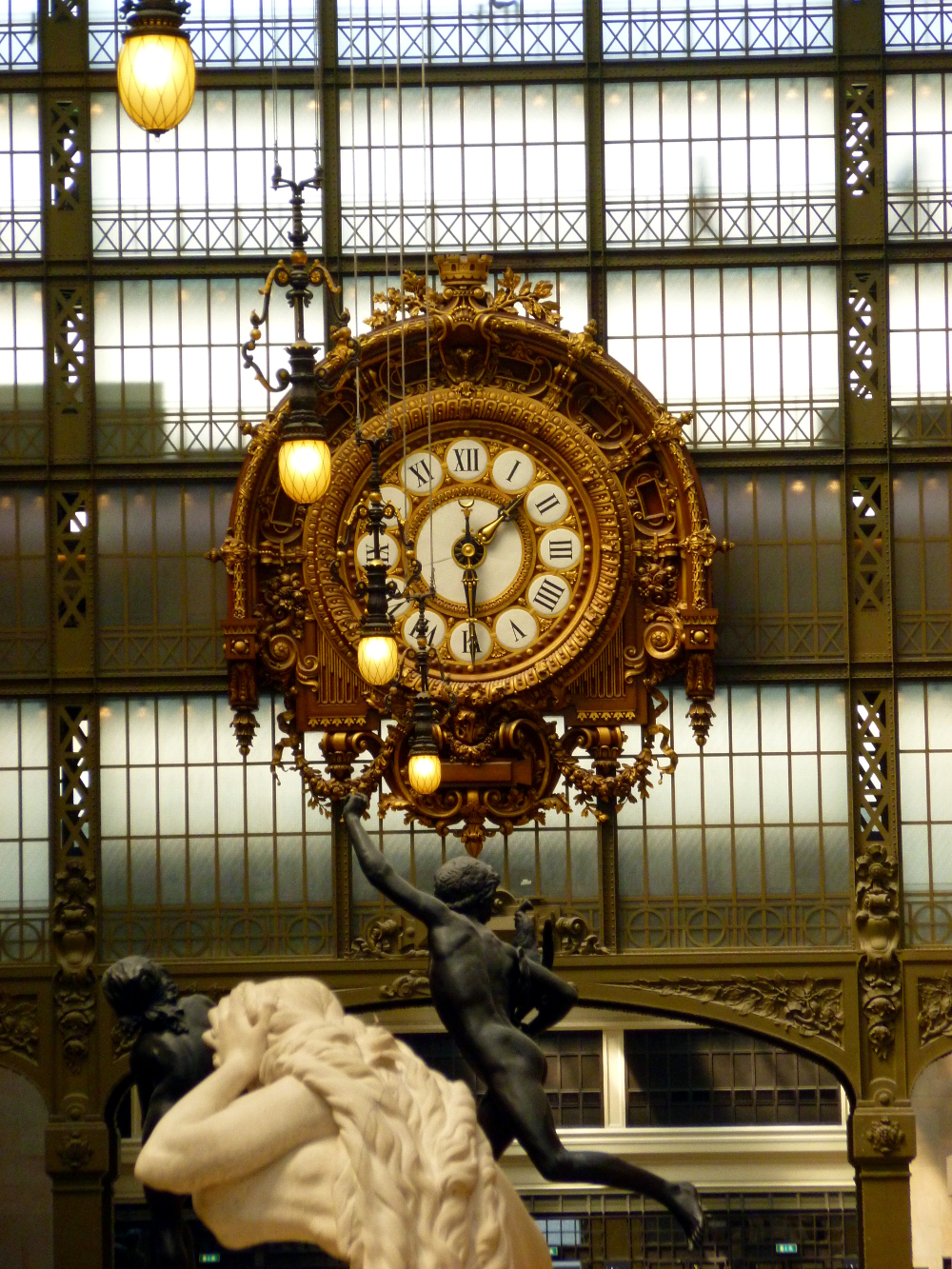
I found more Bonnard and learned more about his artistic context.
With the Nabis, artists of like mind pronounced themselves a school of artists, creating beautiful works of art and advancing the art of painting.
The following description is on the wall at the gallery entry, next to The Downpour.
The Nabis
The term “Nabi” first appeared in a letter by Paul Sérusier. Derived from the Hebrew word “navi,” meaning “prophet,” it refers to a group of artists who regarded themselves as the messengers of a new art form based on an interpretation of Gauguin’s ideas.
The movement evolved over a period of some twelve years, from 1888, with Sérusier’s Talisman, to 1900, the date of the group’s final exhibition at the Bernheim-Jeune Gallery. It brought together artists as diverse as Pierre Bonnard, Maurice Denis, Henre-Gabriel Ibels, Georges Lacombe, Aristide Maillol, Paul Ranson, Jozsef Rippl-Ronai, Ker-Xavier Roussel, Paul Sérusier, Félix Vallotton and Édouard Vuillard.
There were two distinct trends within the group: artists attracted by esoteric and religious subjects, and others who subscribed to an intimate style portraying family life and domestic interiors.
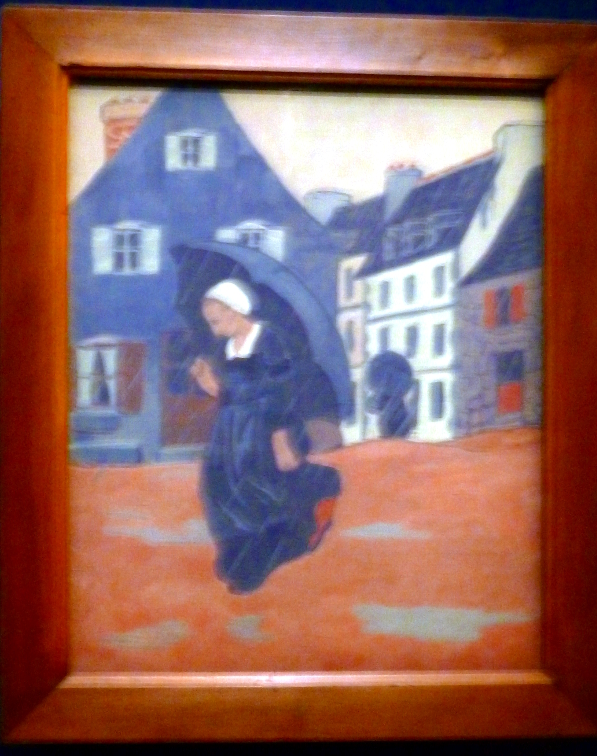
The Nabis freed themselves from the straitjacket of faithful representation in favor of subjectivity, symbols and dreams. Influenced by Japanese prints, they adopted a synthetic stylization characterized by planes of pure color, splashes of color and sinuous lines. They worked in a number of different formats, from small pictures to large scale decorations.
 Nicci Carrera