Why did they stop?

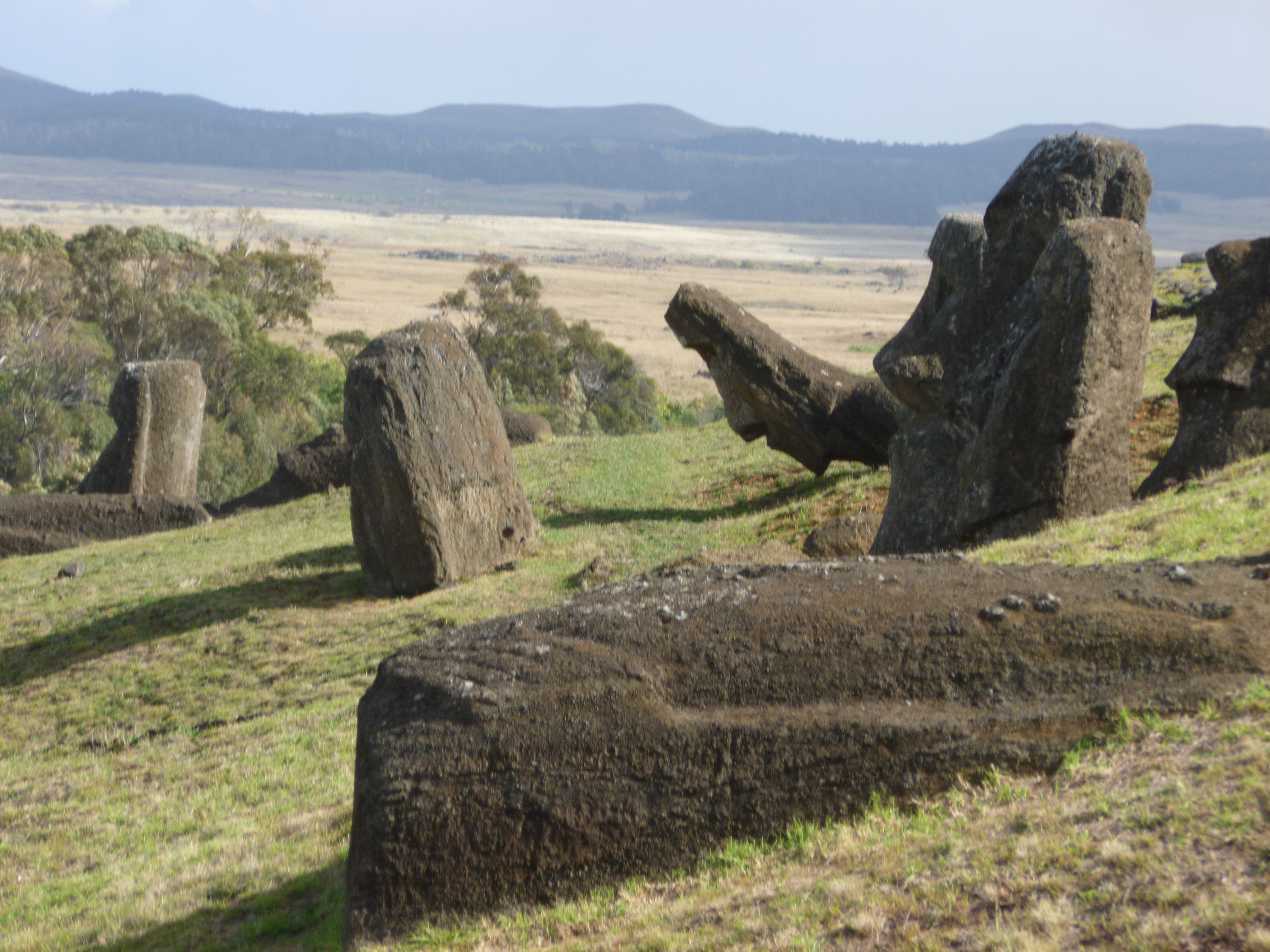
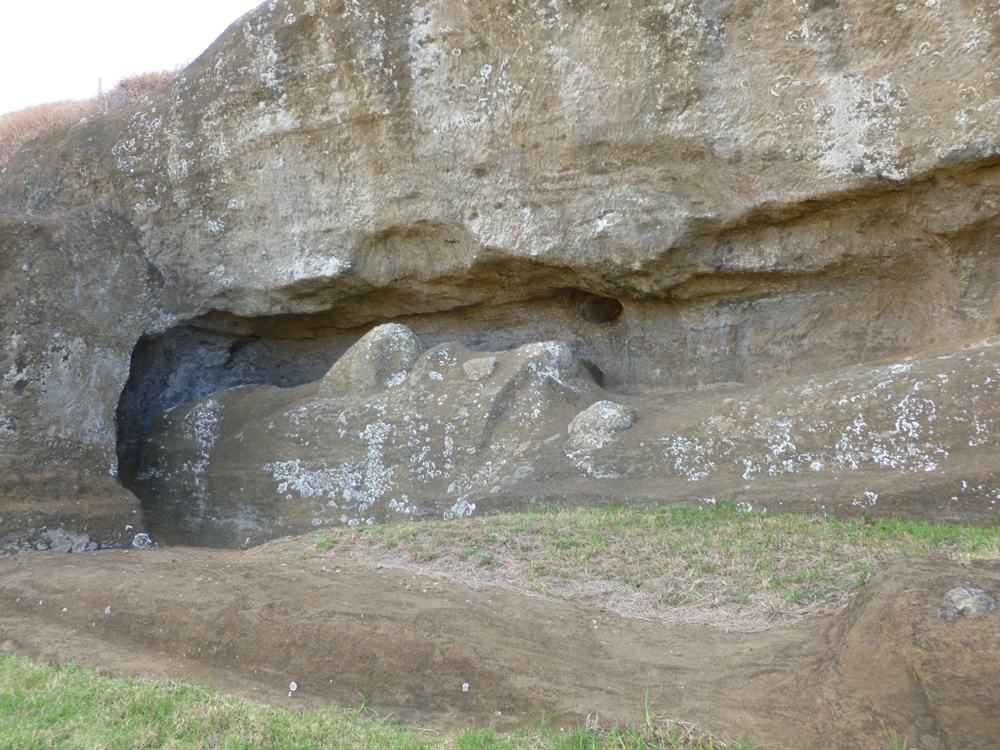
Stone fetuses – abandoned, bewildered, eternal.


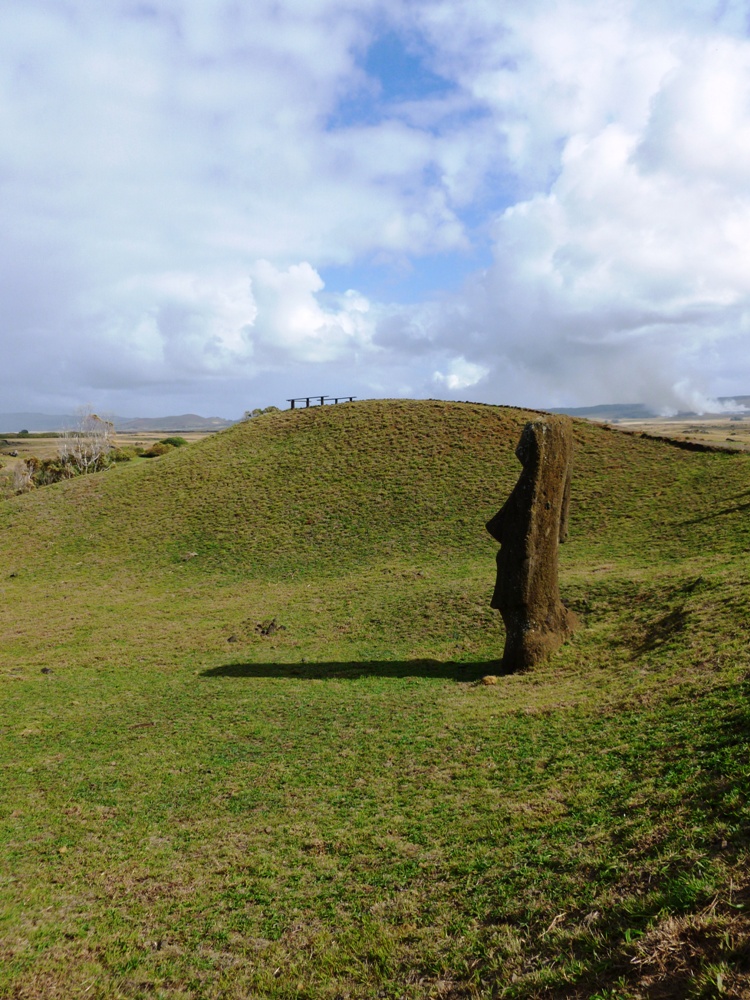
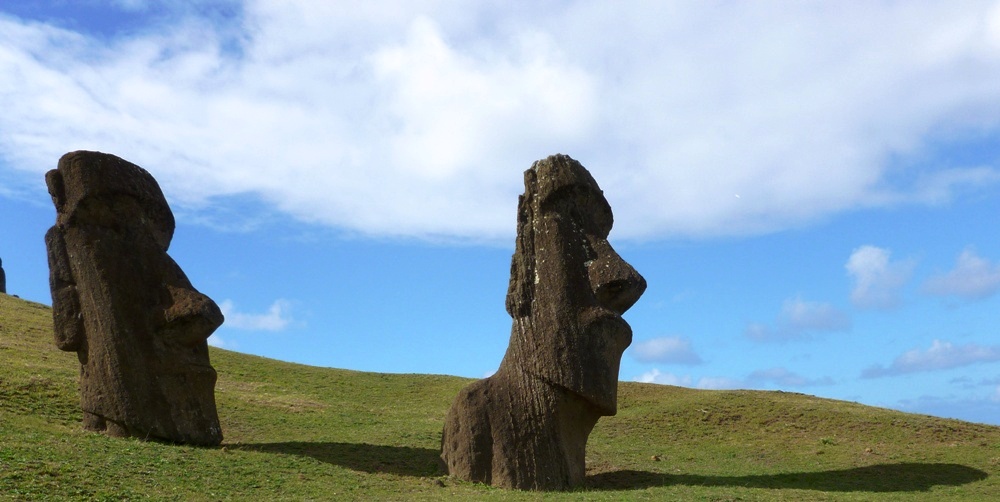
The ships carrying Europeans arrived. Excitement at the new? The artist carved a picture of the ship on the belly of his creation.
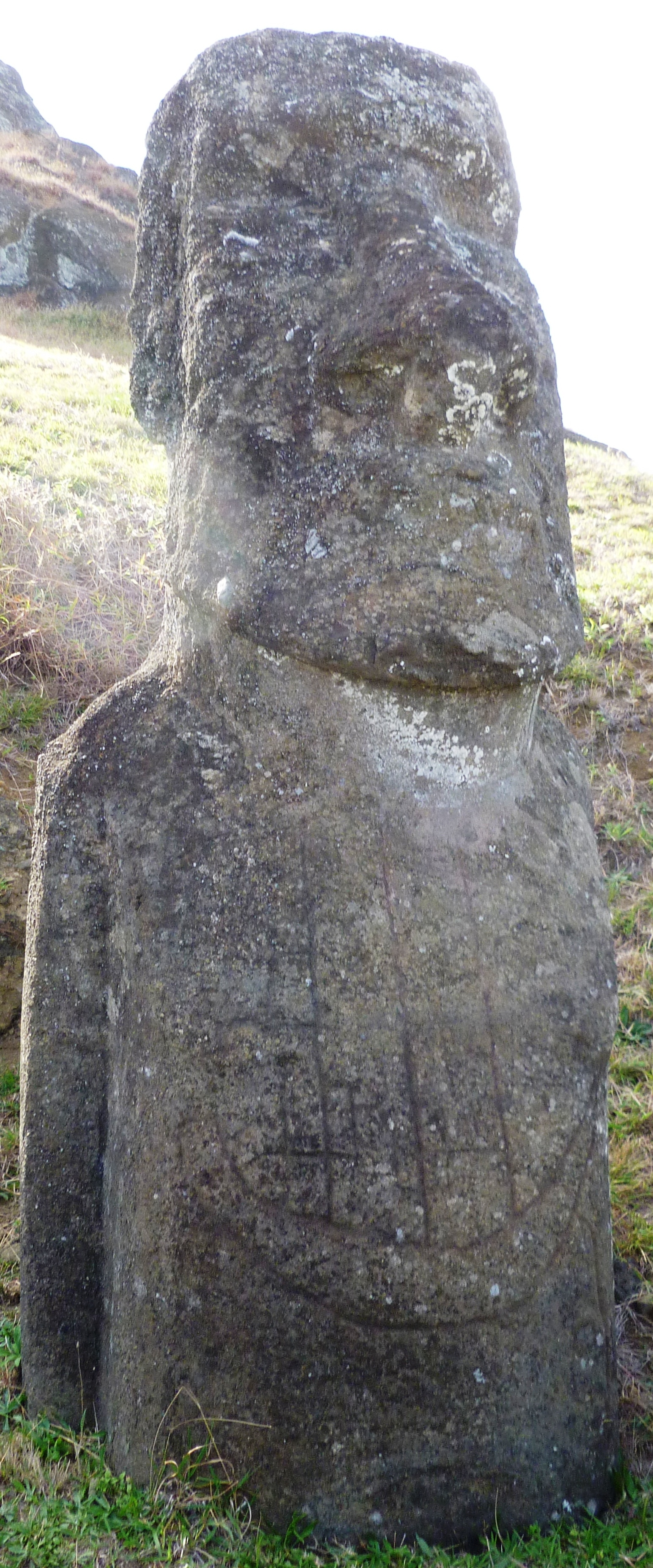
Then carving and moving stopped.

Why did they stop?
Stone fetuses – abandoned, bewildered, eternal.
The ships carrying Europeans arrived. Excitement at the new? The artist carved a picture of the ship on the belly of his creation.
Then carving and moving stopped.
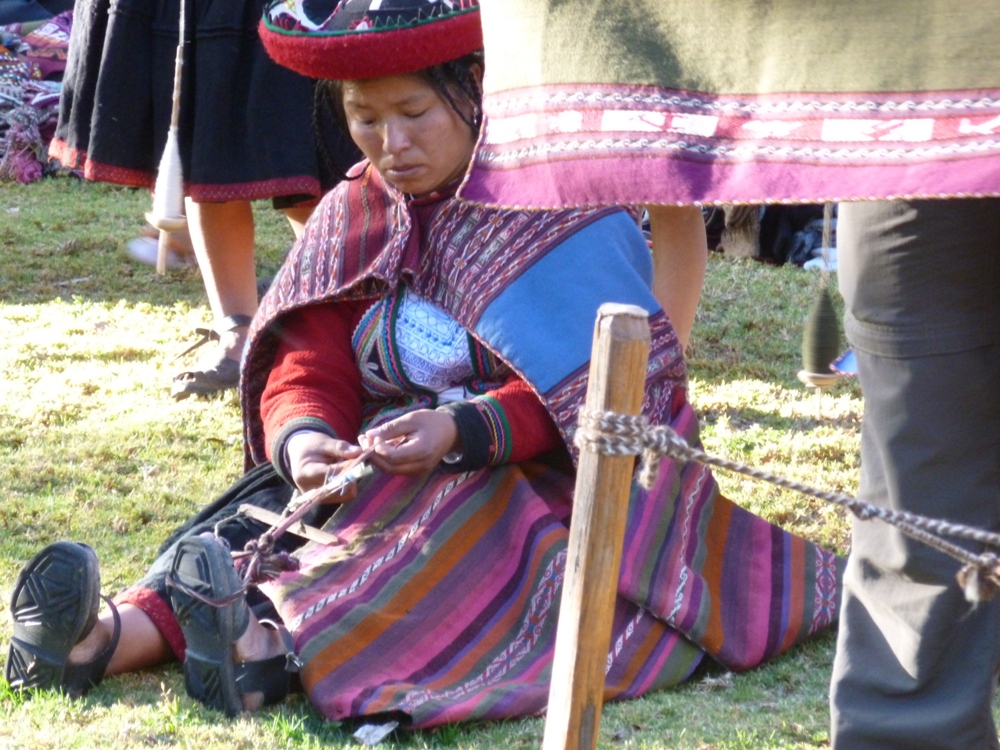
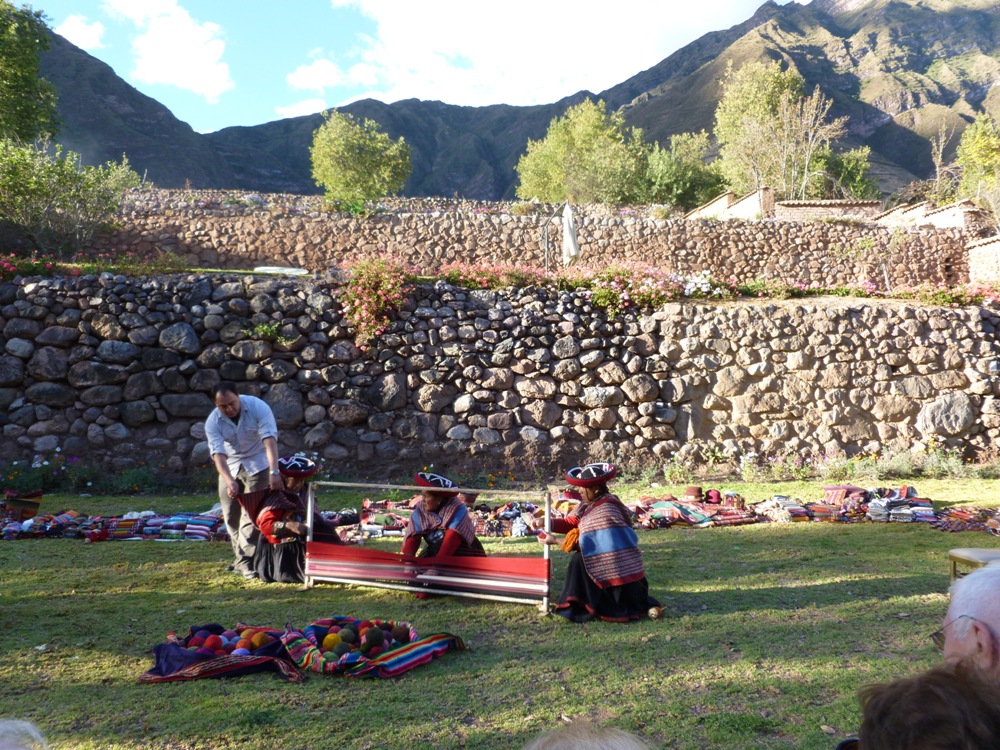
Quechan weavers travel from villages to demo amazing, traditional textile art:
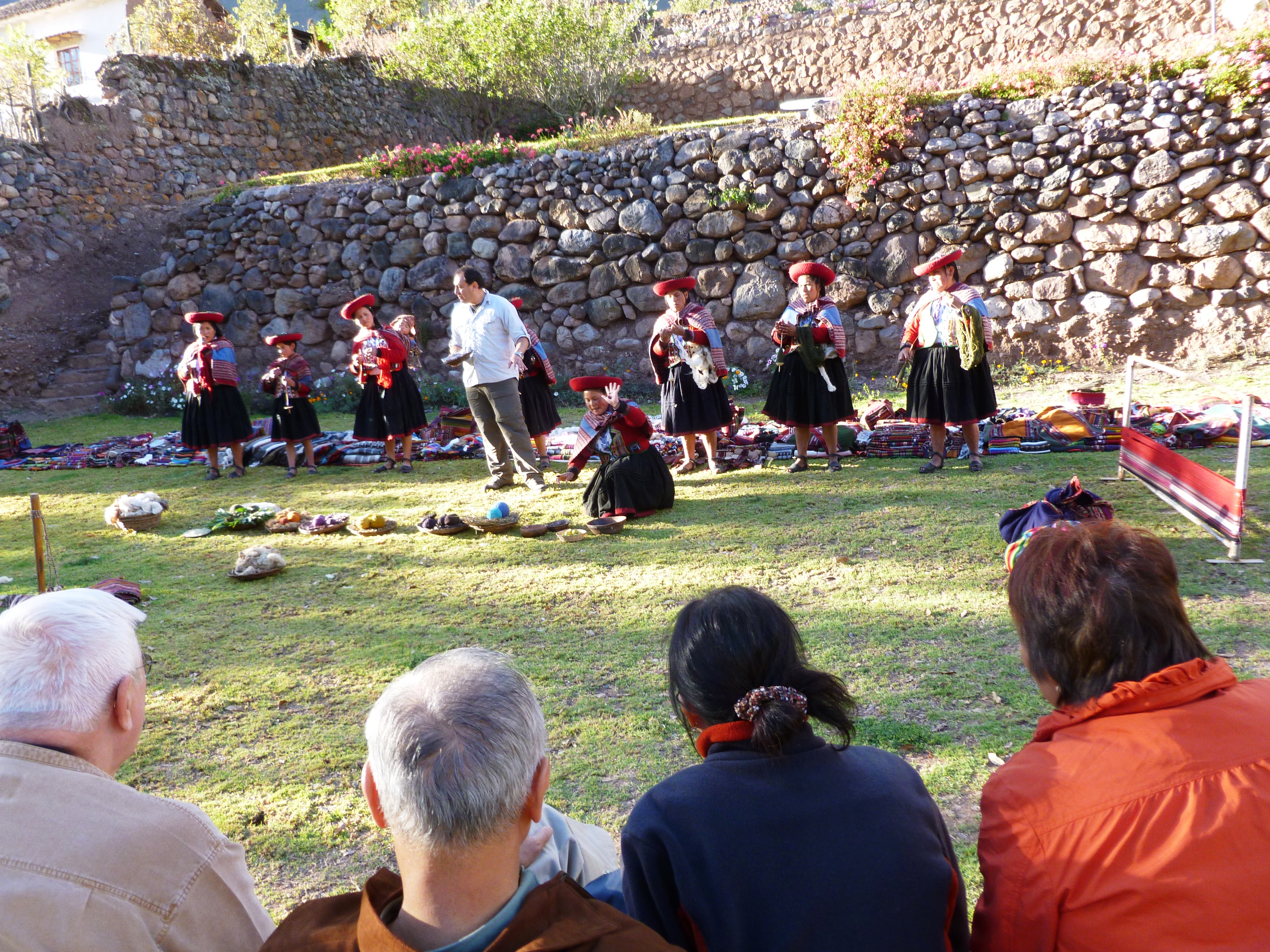
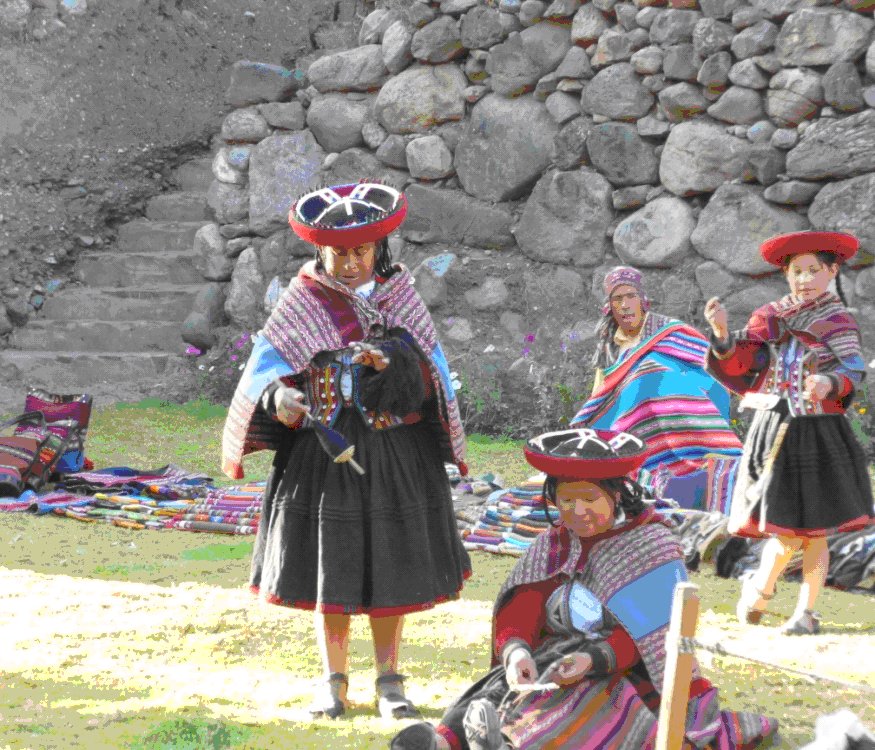
The village master weaver is respected and very important:
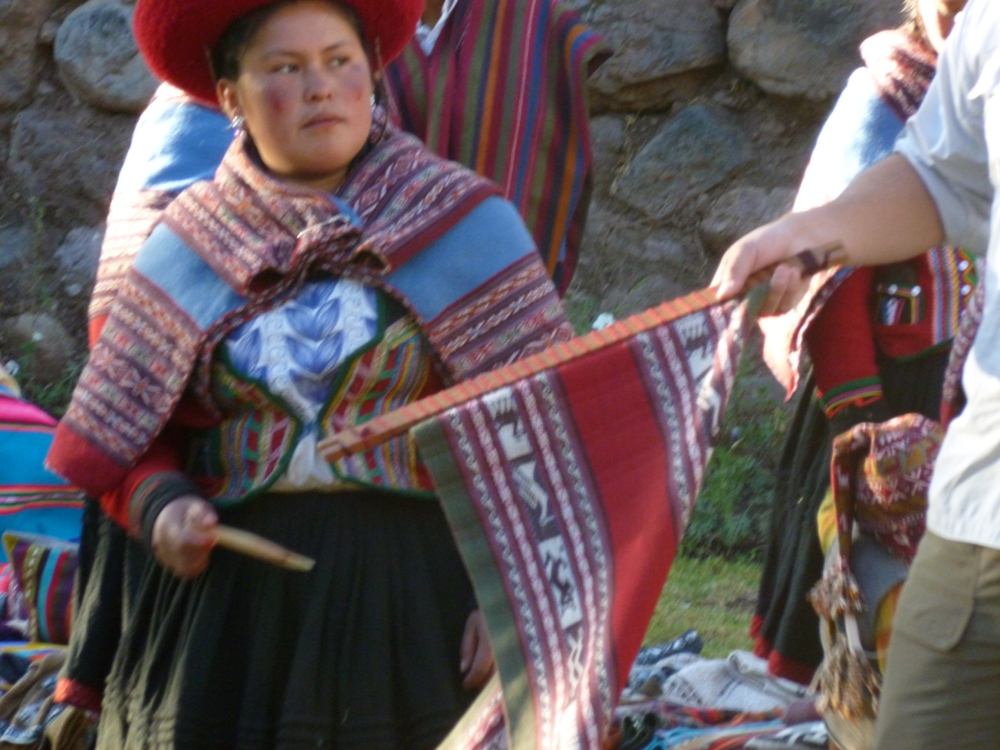
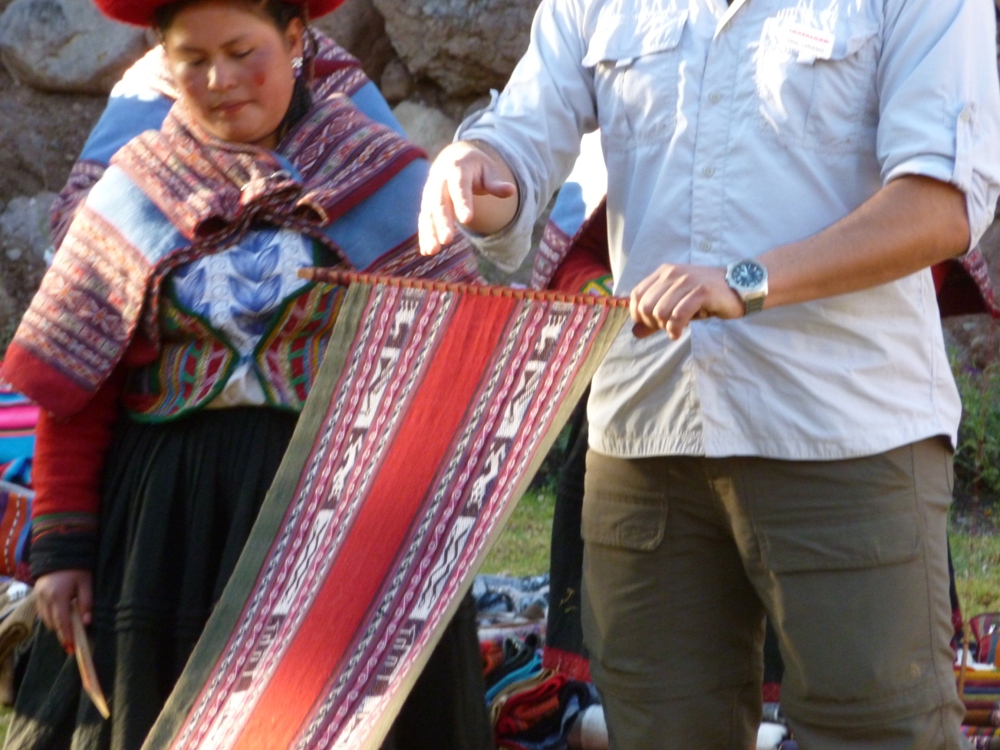
She has 72 intricate patterns memorized.
Sonesta Posadas del Inca in the Urubamba Valley (otherwise known as the Sacred Valley), offers beautiful, ranch-style rooms with dark wooden doors, dressers and closets that contrast appealingly with adobe walls. Throw rugs warm terracotta tile floors and the renovated bathroom offers a deep, luxurious tub and fresh air from a sash window. The Peruvian staple of corn finds honor on the grounds:
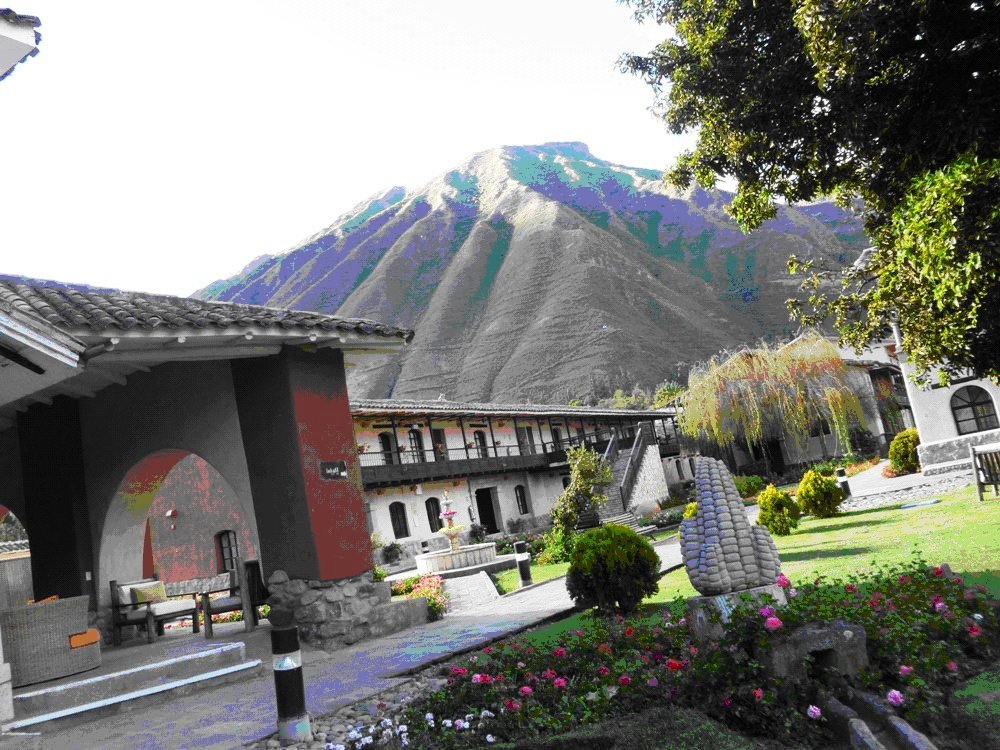
And, yes, they serve coca tea in the lobby all the time and at the breakfast buffet.
Snow-scented air blows down from the Andes:
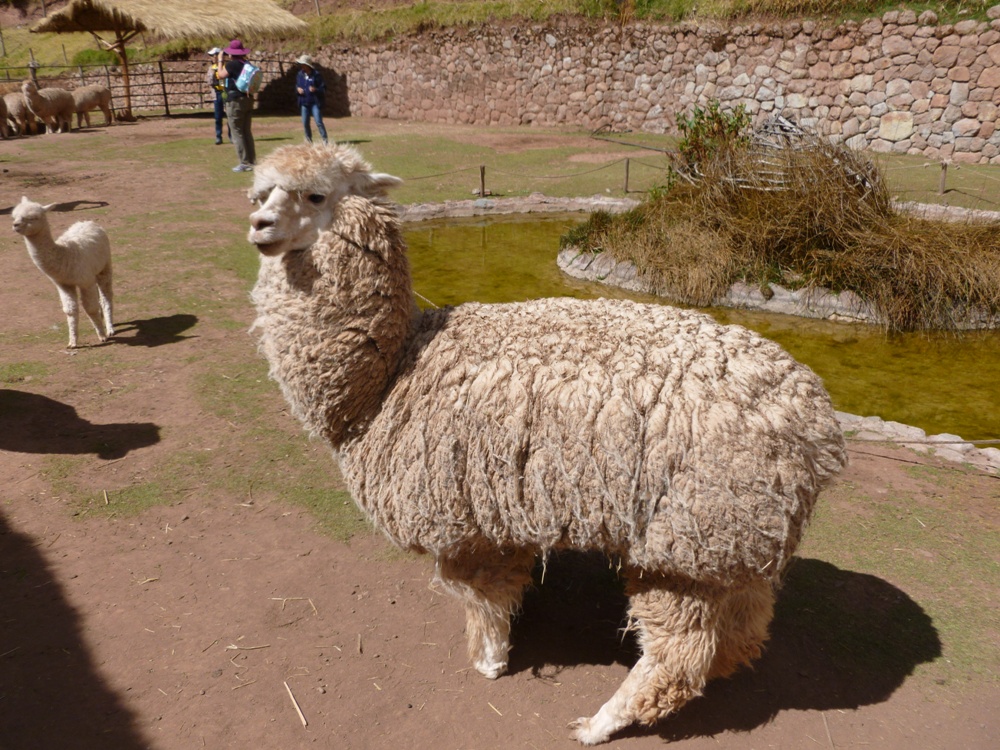
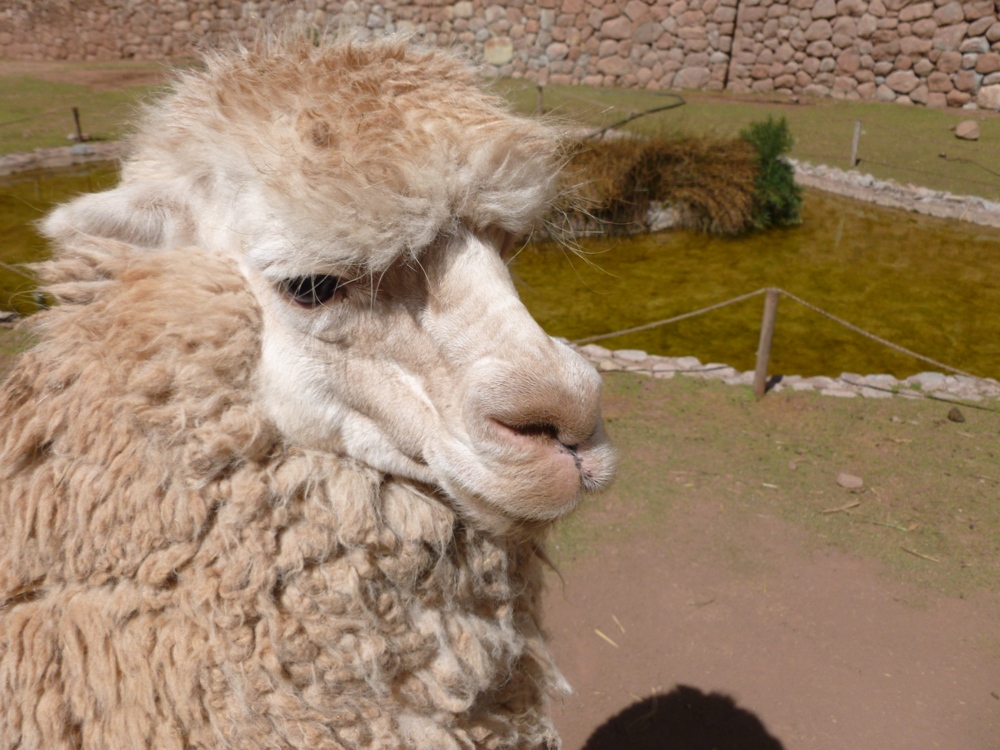
Yarns come from alpaca like these cuties (plus one llama):

Red comes from bugs visible on Urubamba cacti. Cochineal, a kind of aphid, are black on the outside. Covering the prickly pear cacti, they appear white like fungus. Ground up, they are deep red.
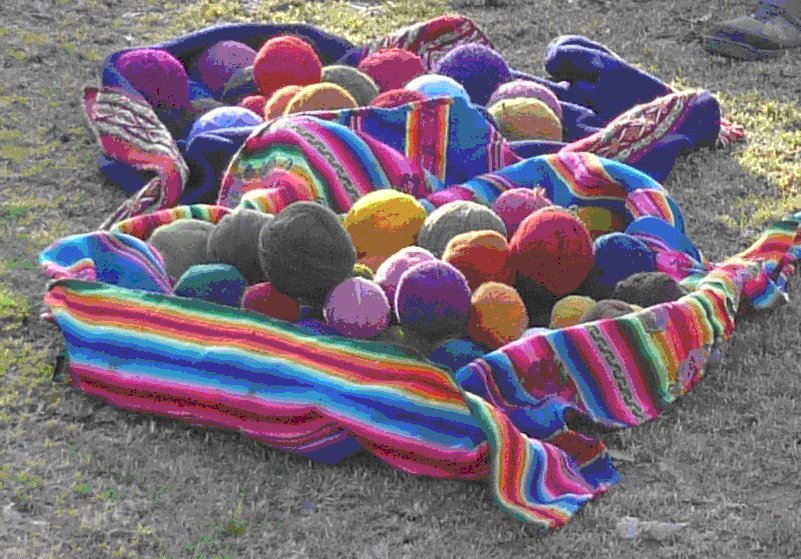
To this red, add varying amounts of lemon salt to produce bright red, light red, reddish purple, or carrot orange.
To make purple, add… urine. Guide says must be the child’s urine, before puberty… and start of pisco drinking. (Joke)
How did they invent these dyes in the first place?
Date: June 2012
Tour: Trafalgar (via sister company Grand European Tours), Highly recommend
Guide: Angel Cardenos, very highly recommended
Trip dates: 9/15 – 10/13/12
Pushkin Brasserie (near Museum of Modern Art),
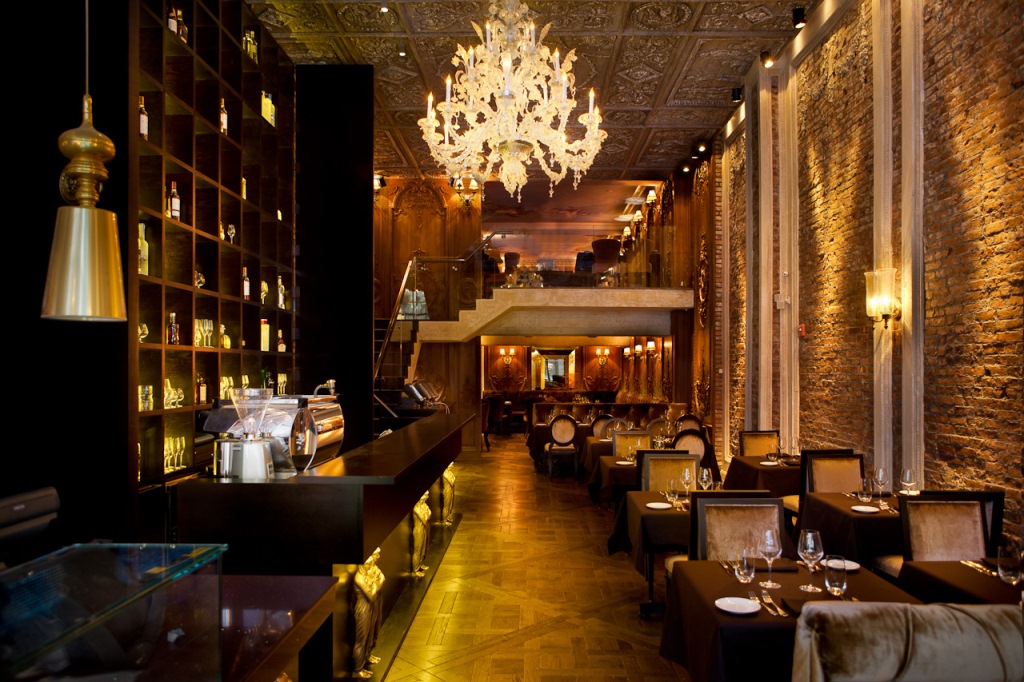
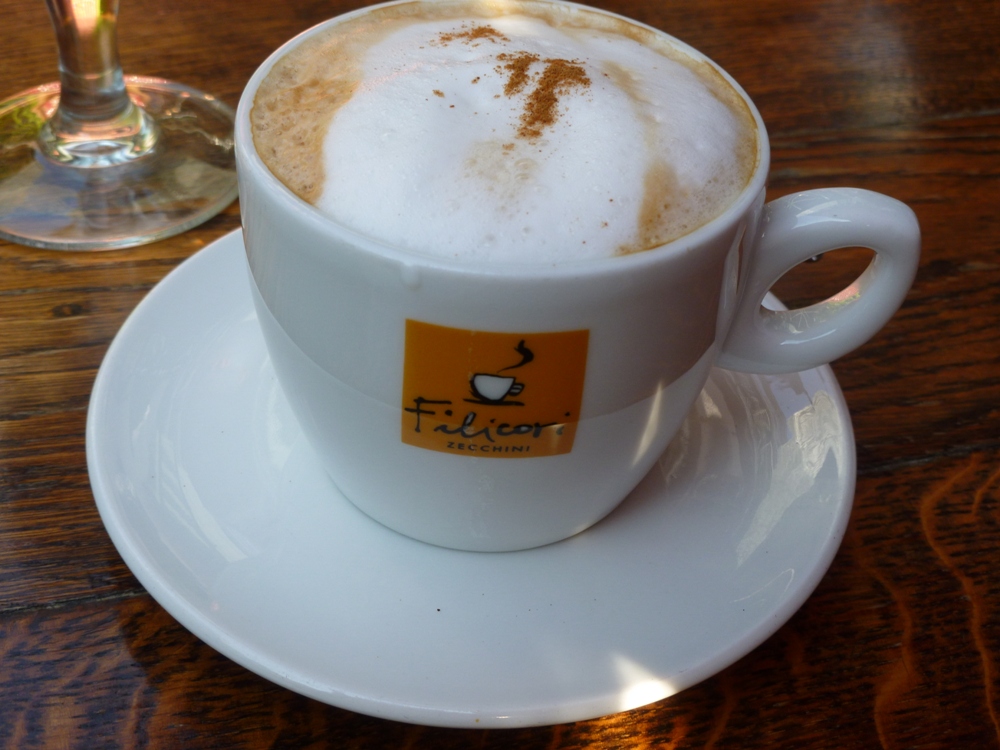
Add to Pushkin Brasserie ambiance this and a spiked cappuccino and you’ll recover from exhausting museum going:
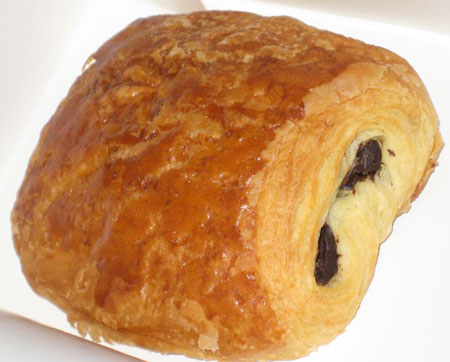
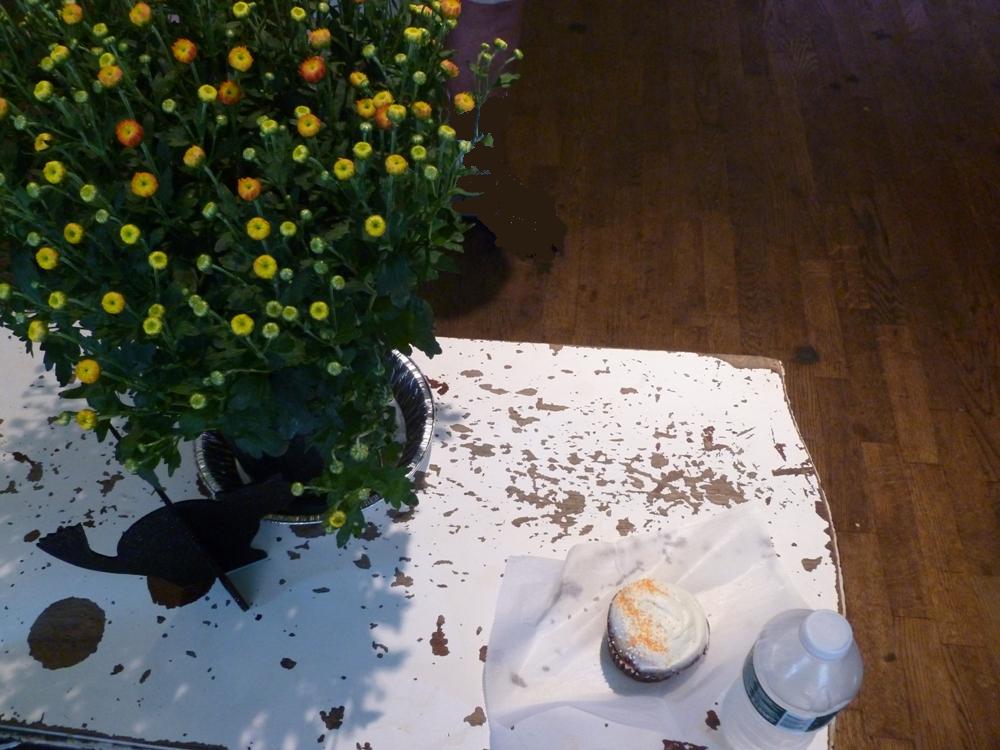
Share these from Crumbs Bake Shop:

(upper west side, 97th/Columbus.)
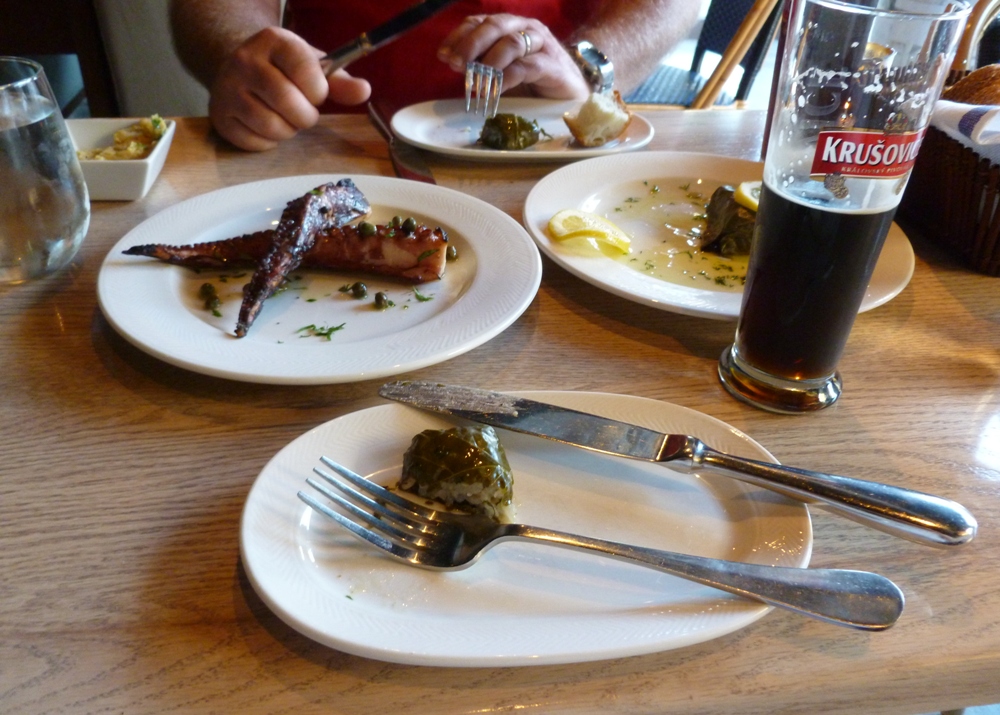
“Wine-dark in a shallow lemon sea, pelted with capers, the curl of octopus ($16) looked messy and primeval, as if just plucked from the deep. It is the dish that a Greek restaurant lives or dies by, simple yet exacting. Tenderness should be victory enough. But the octopus at Boukiés had gone a step beyond, the flesh undoing itself, achieving a texture, at its core, close to nectar.” Ligaya Mishan, New York Times 9/21/12
Looked scary, tasted heavenly:
For less money and a different though not lesser pleasure, a hot pretzel in Central Park: 
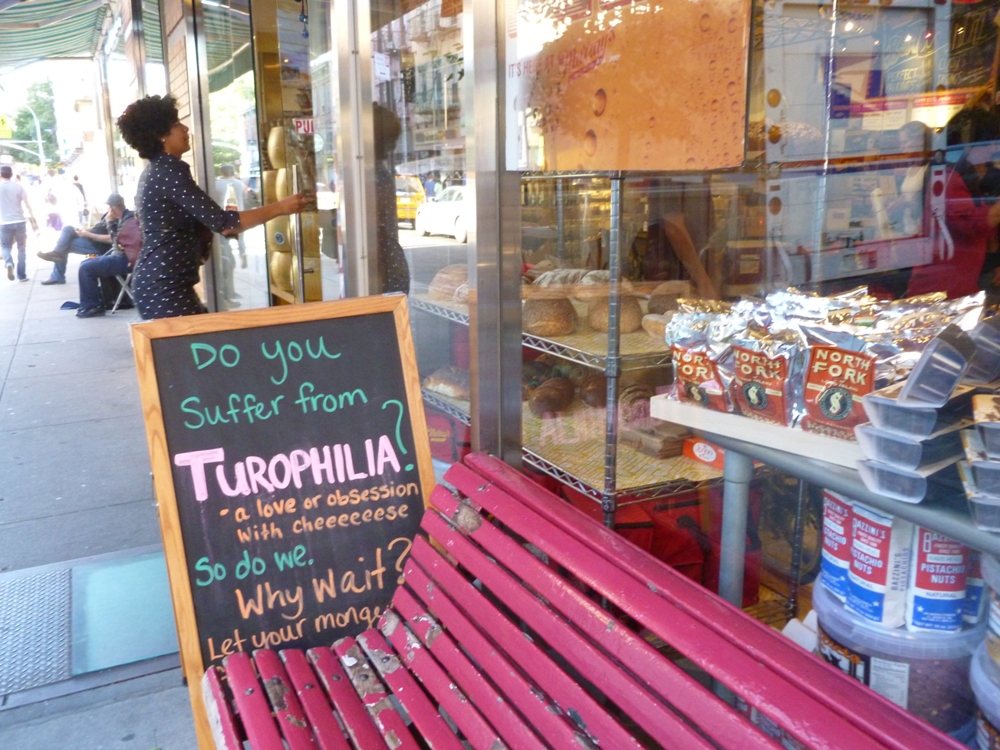
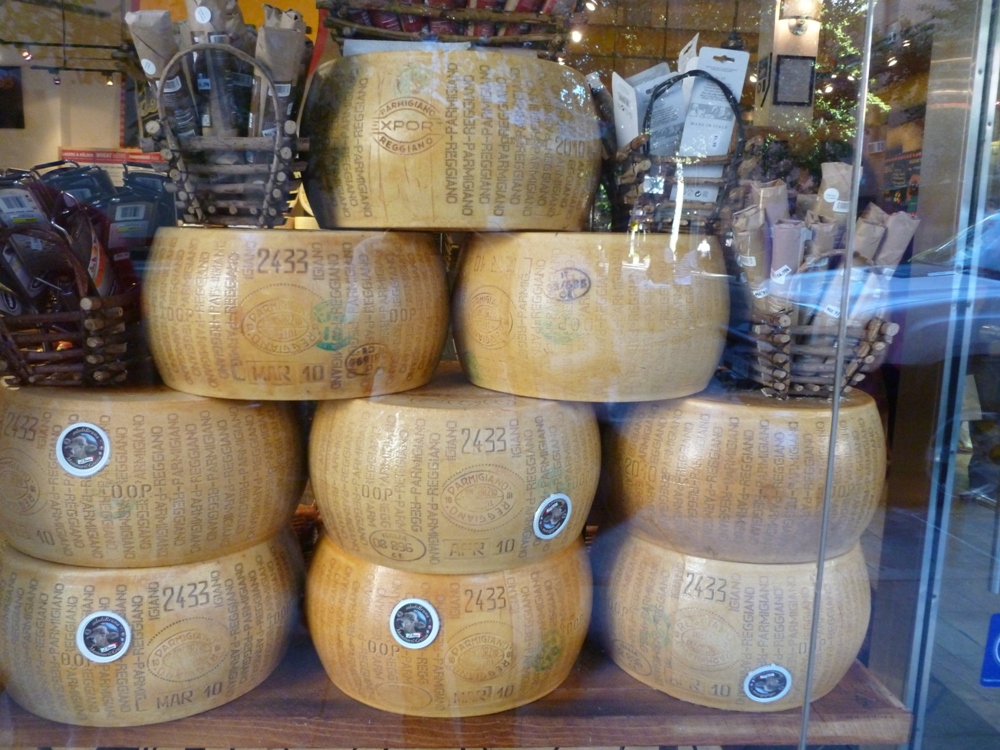
Do you love cheese? There’s a name for that.
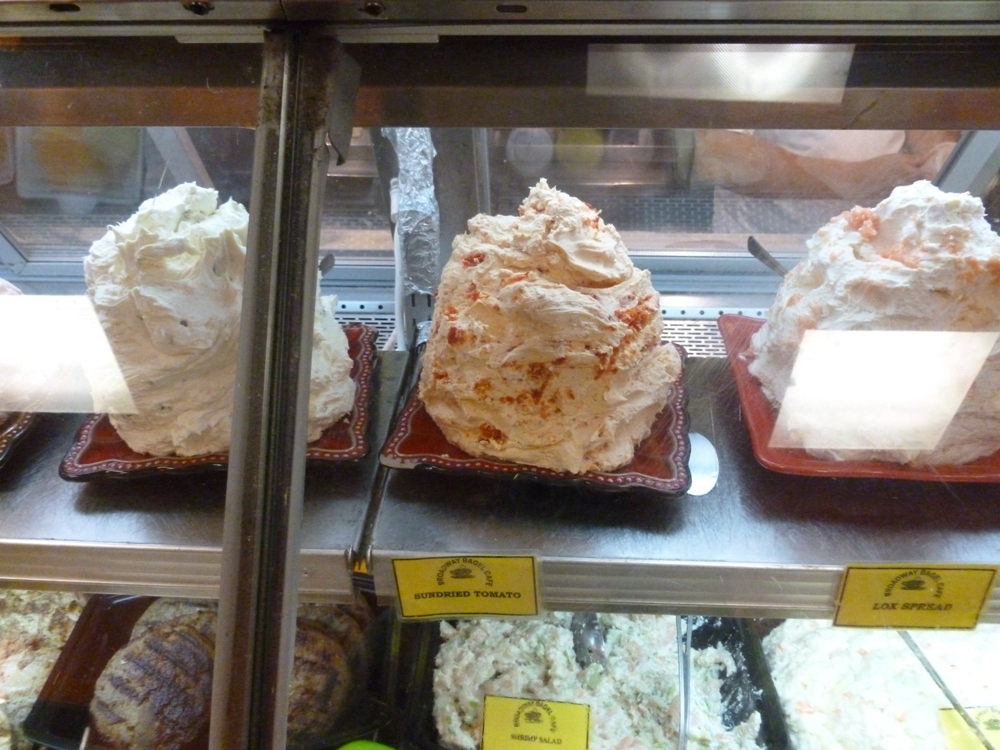
A choice of Schmears (upper west side, Broadway):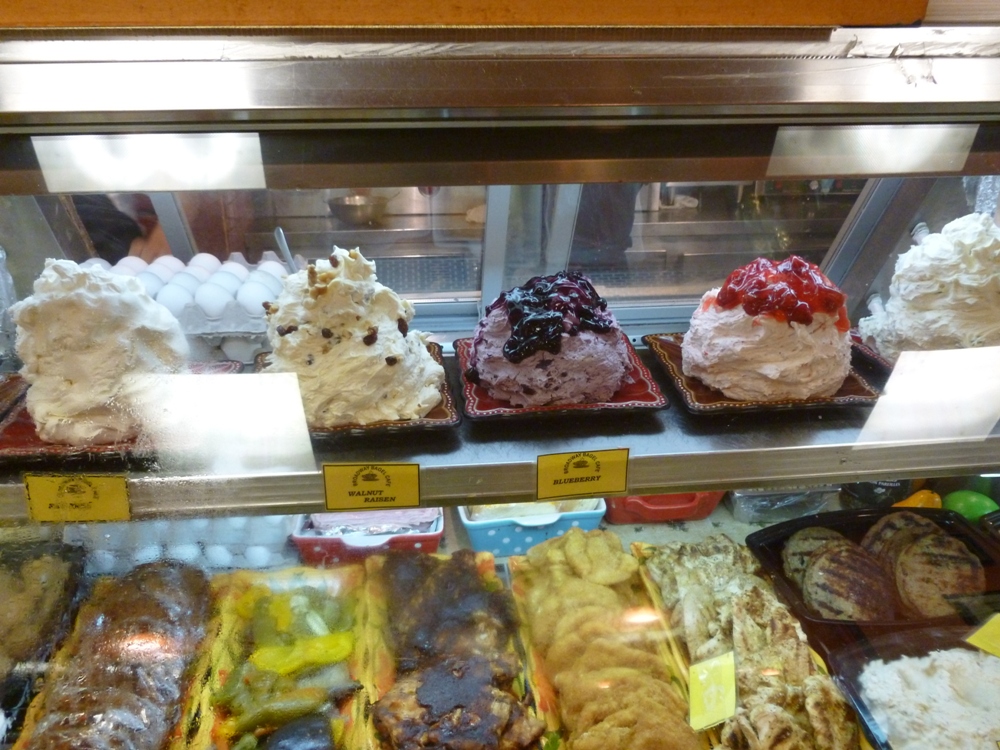

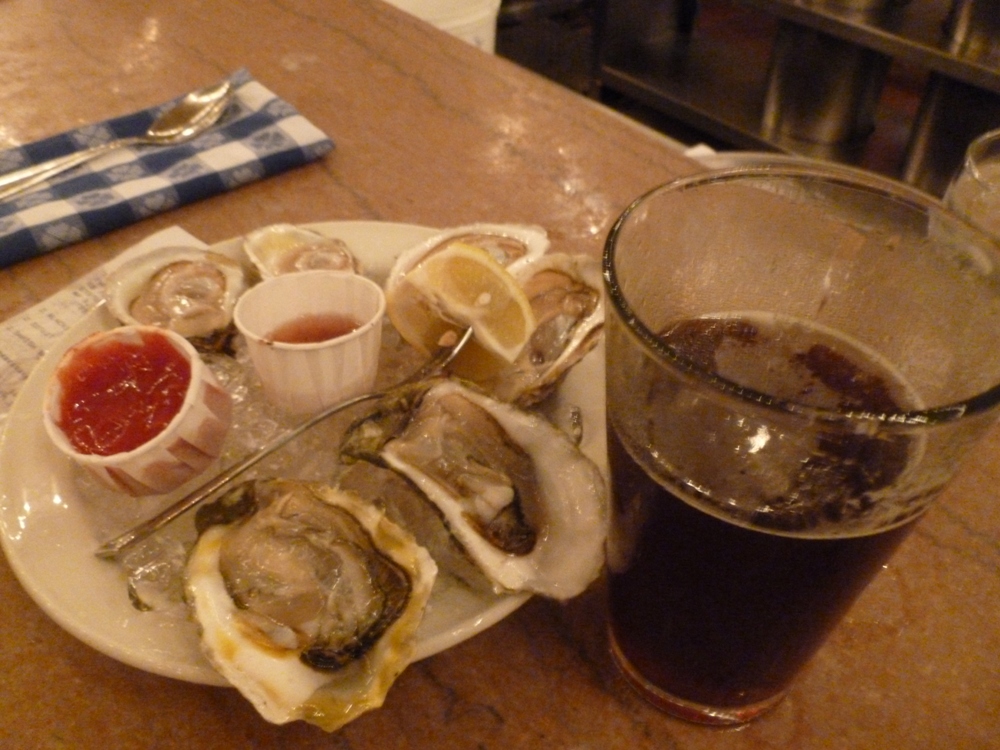
Oyster bar in Grand Central Station:
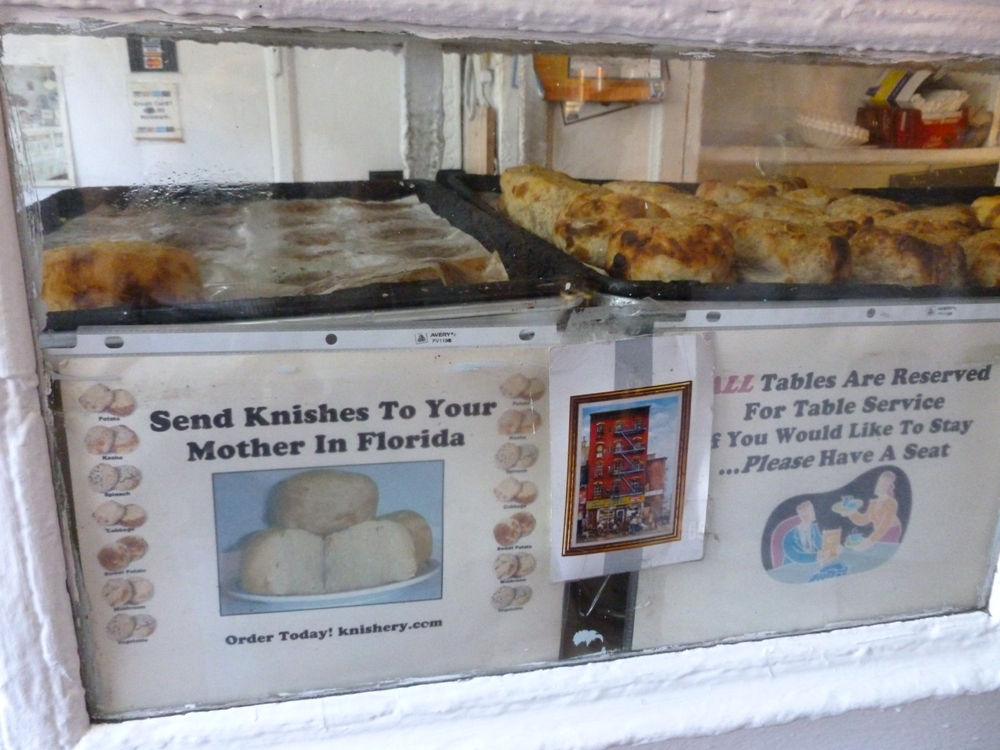
Spinach and kasha knishes from Yonah Shimmel’s Knishery on East Houston Street (lower east side):

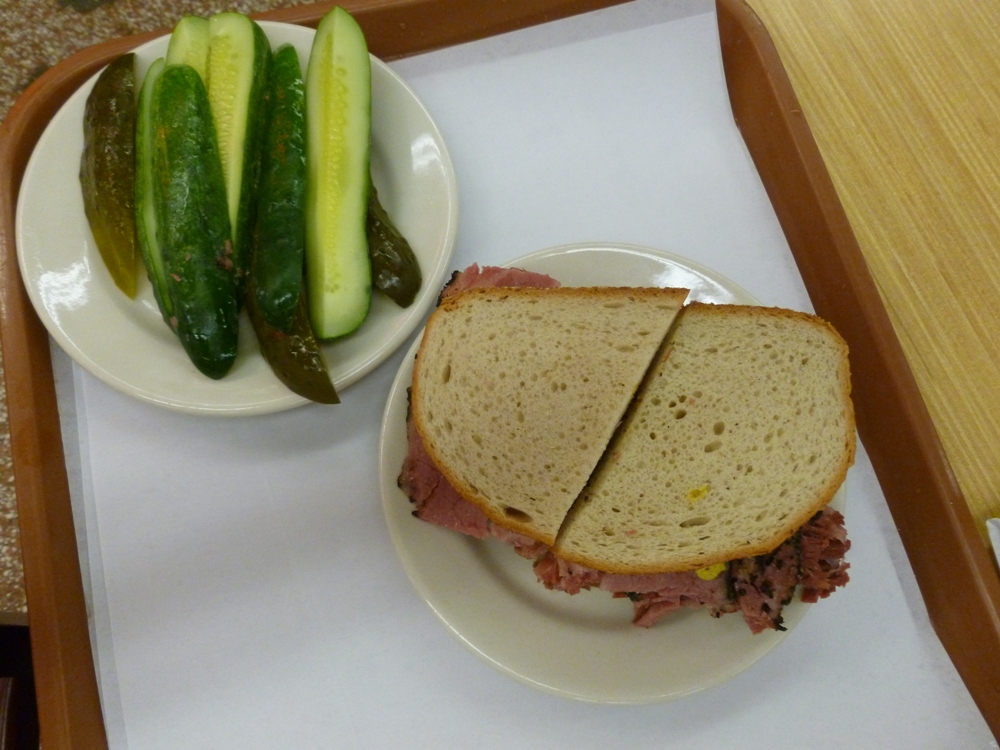
Pastrami and corned beef sandwiches at Katz’s Deli (near Yonah’s, lower east side):
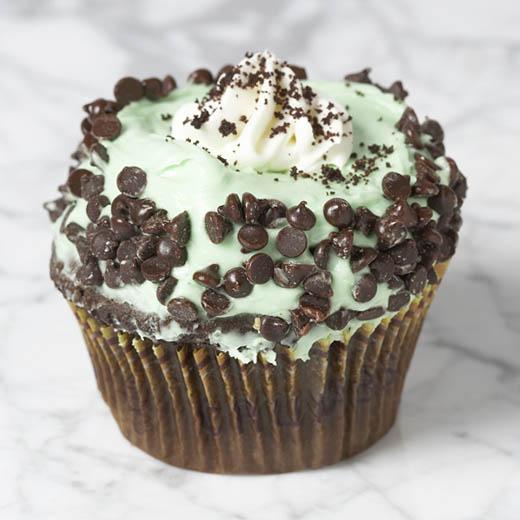
Tiny cupcake:
Cappuccino in Tribeca:
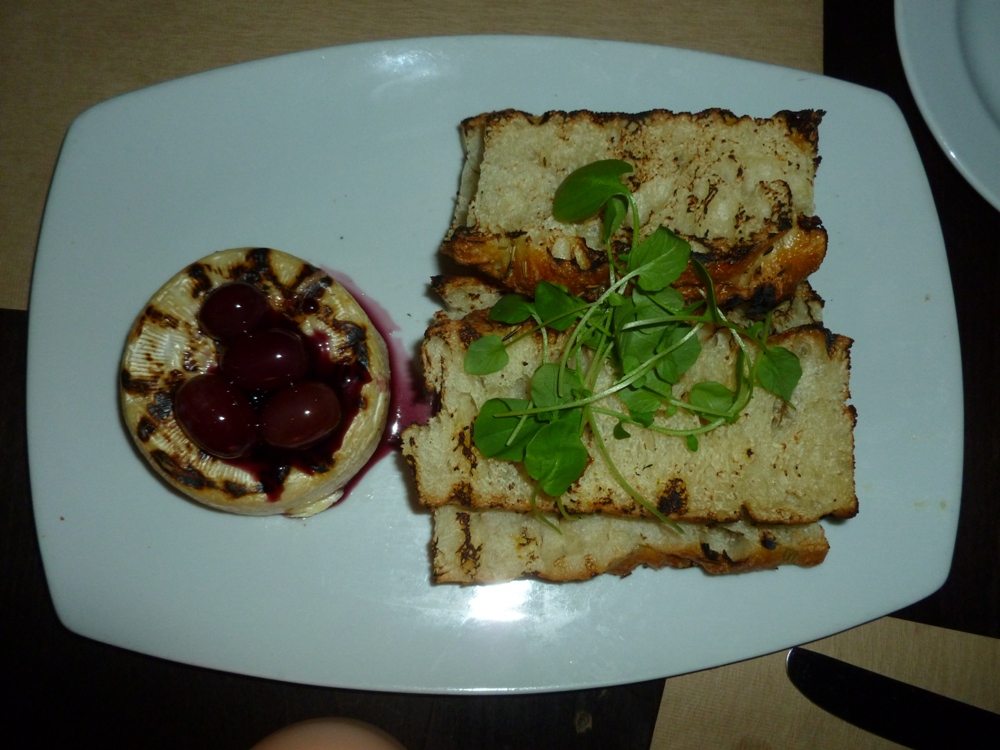
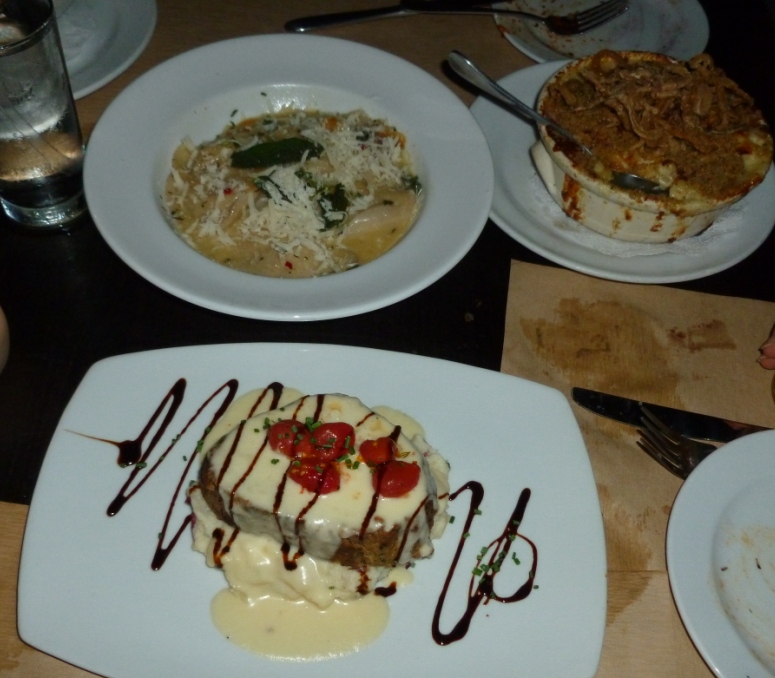
Comfort food at The Eatery after a show (The Phantom of the Opera).



Elevation of a bagel: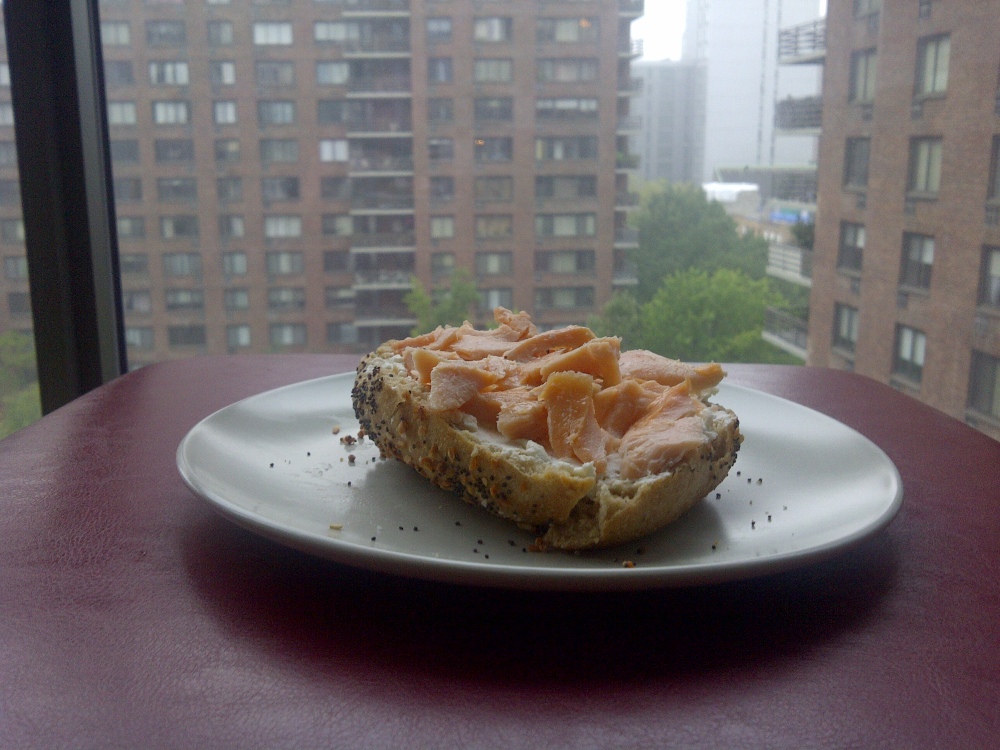
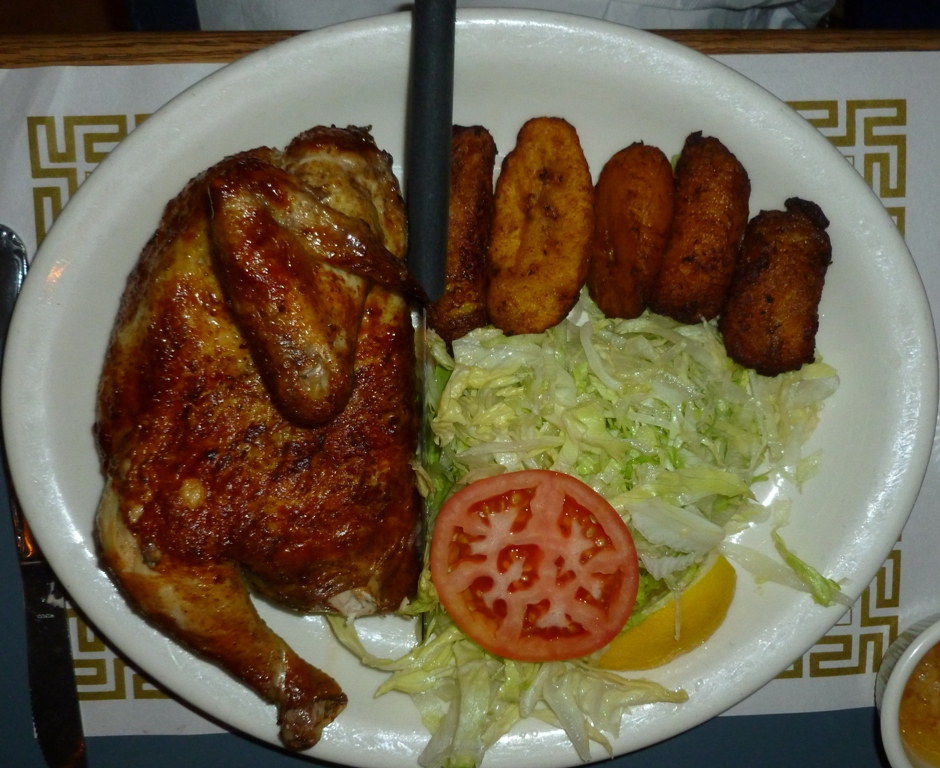
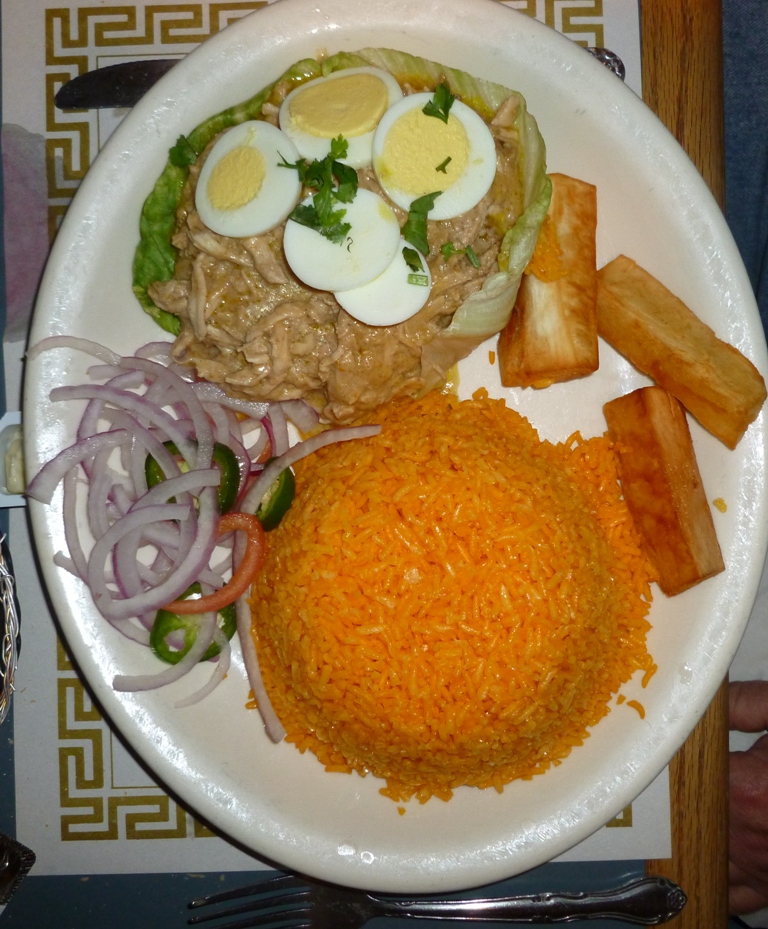
Peruvian cuisine on the upper west side at Flor De Mayo (Broadway around 98th):

Simple repast at The Boathouse (Central Park):

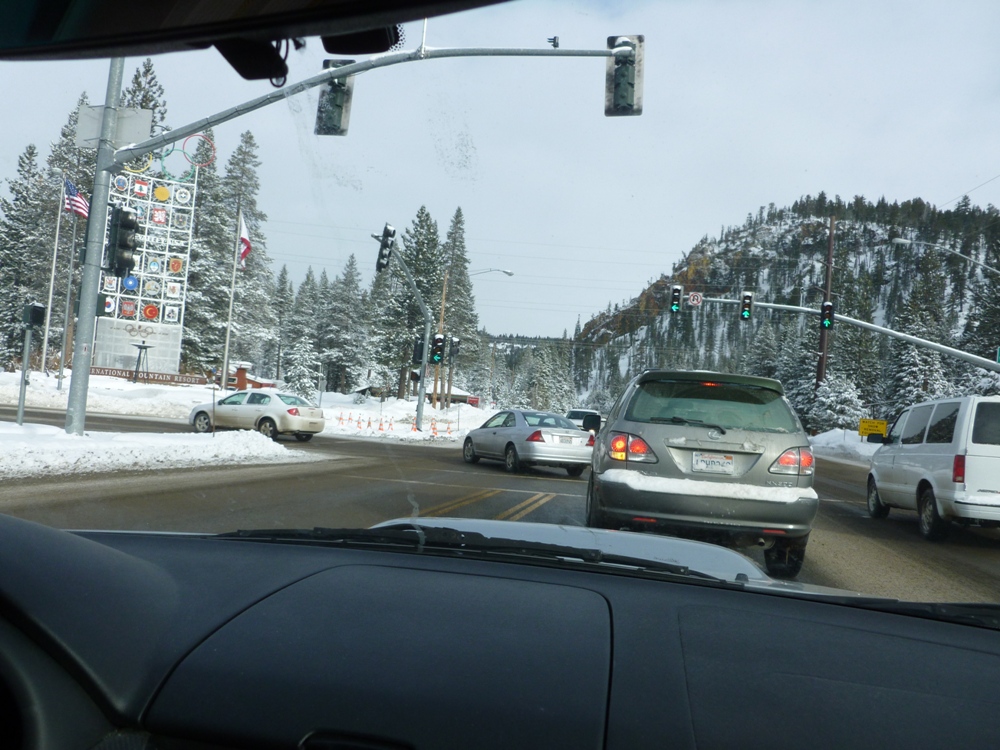
This morning, bright and early (9:45), we fought our way through morning rush hour
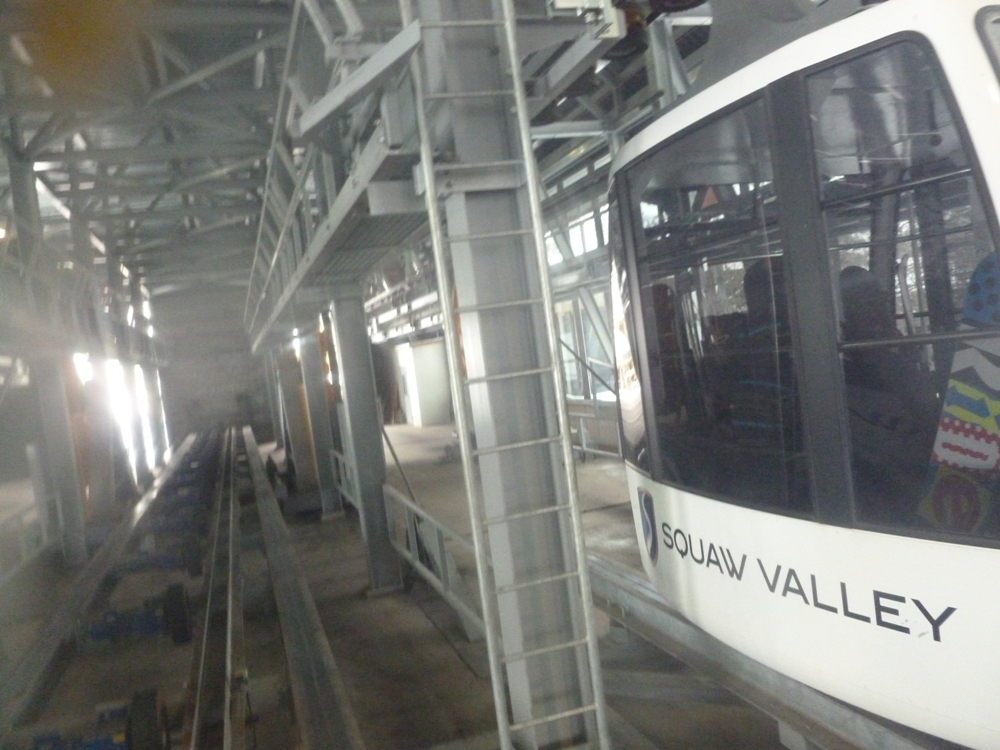
to get on the Funitel at Squaw Valley
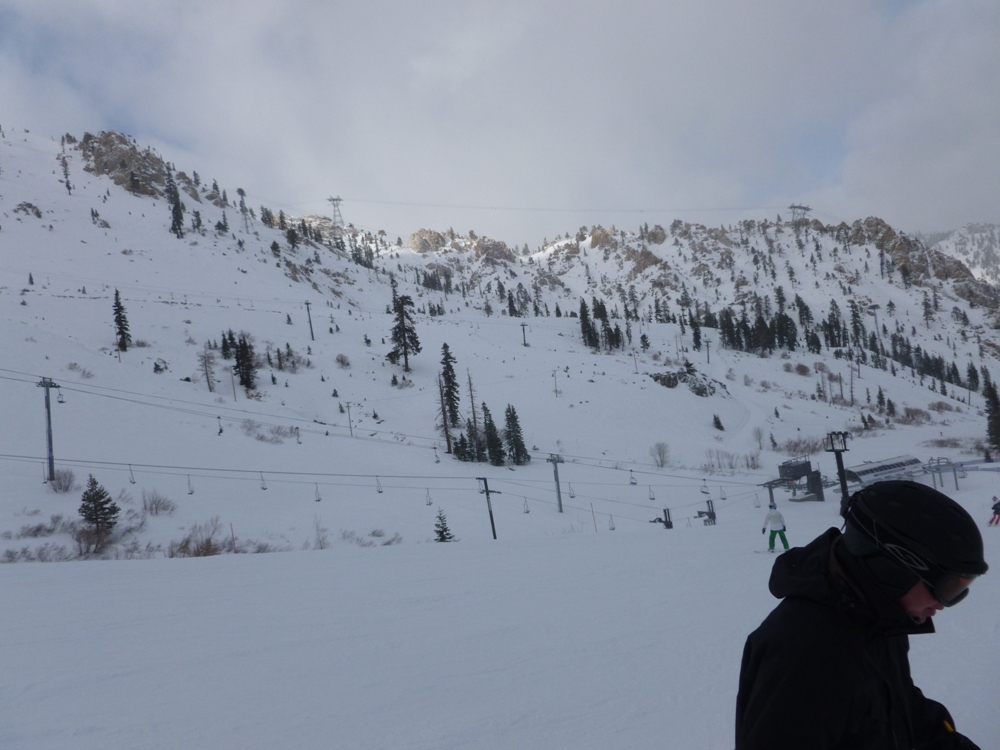
and finally to work.
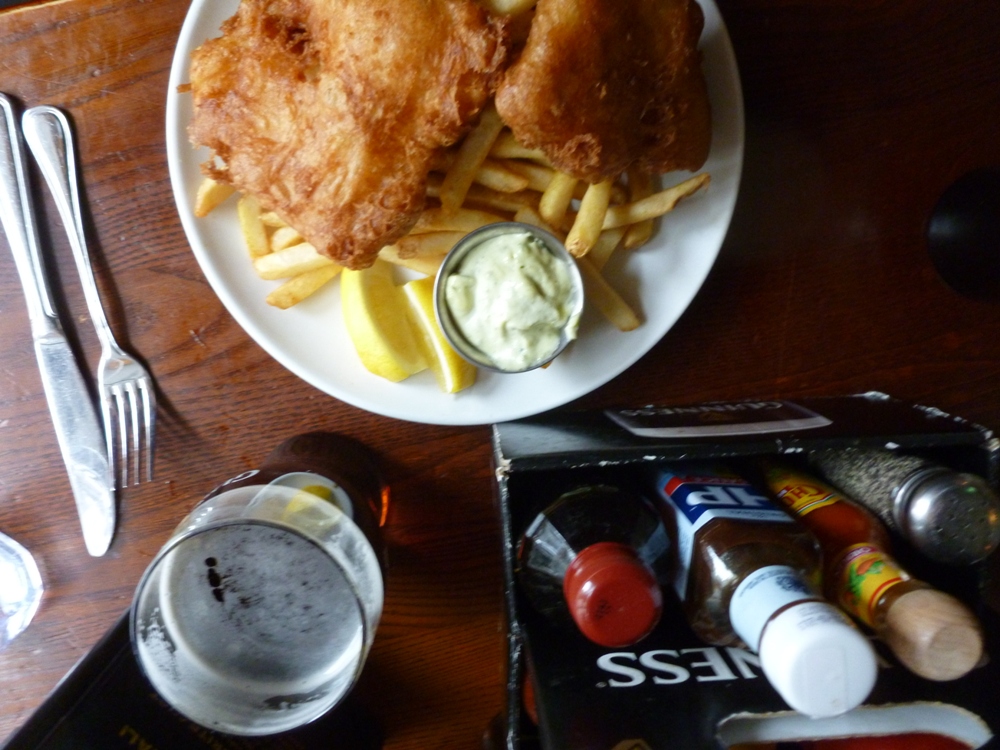
Of course, we have to have a lunch break. All employees are entitled to that. Excellent fish and chips, stew, and beer at The Auld Dubliner in Squaw Valley:

This beautiful “spiritual” place was built on the backs of slaves.
Many slaves plummeted thousands of feet to their deaths
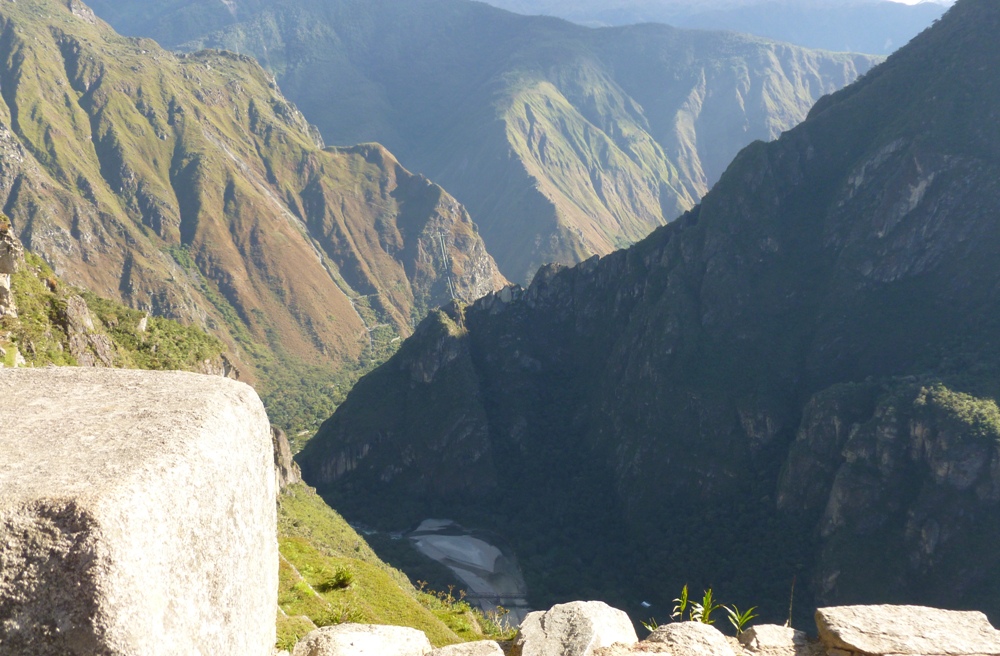
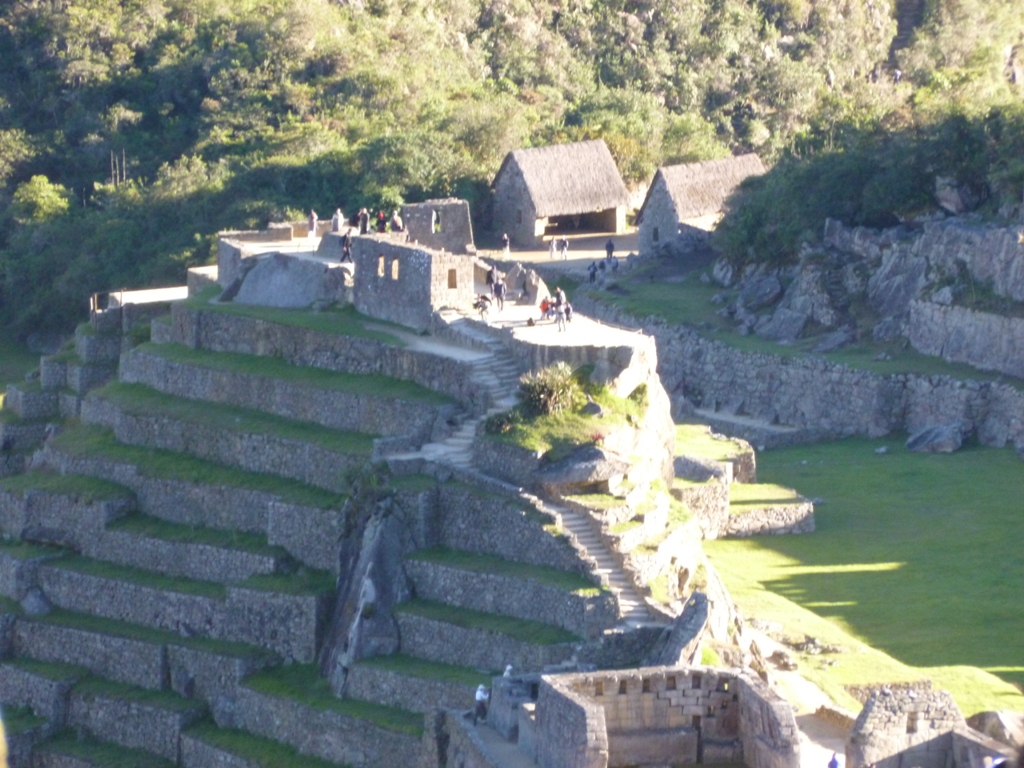
while constructing these terraces:

At the summer solstice, the sun rises right through the notch on this opposite mountain.
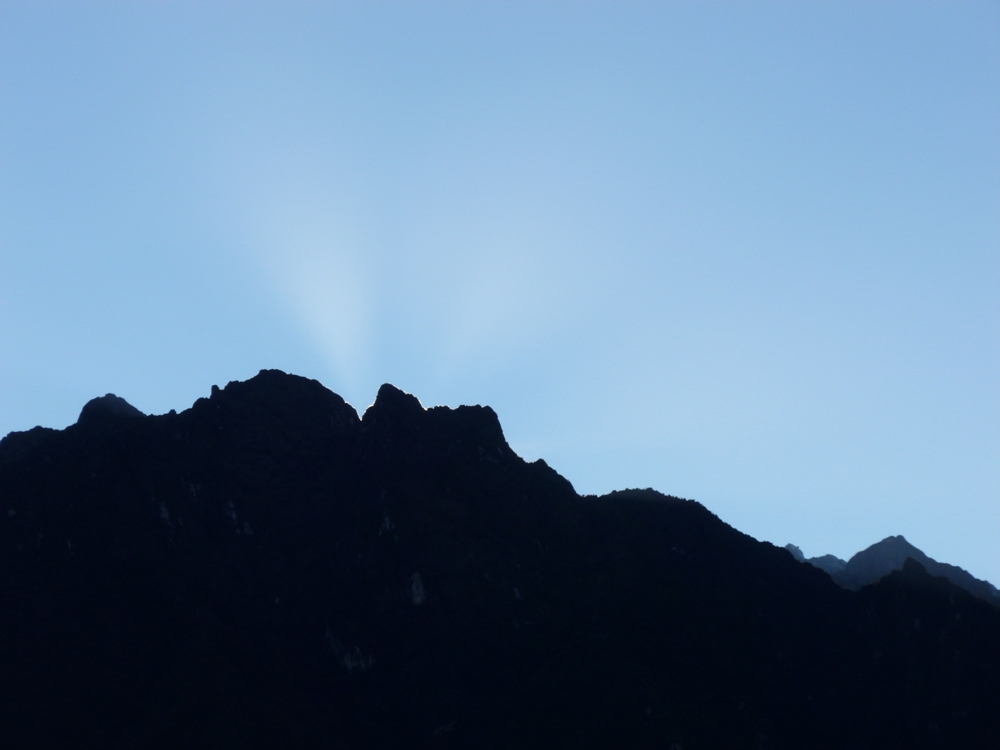
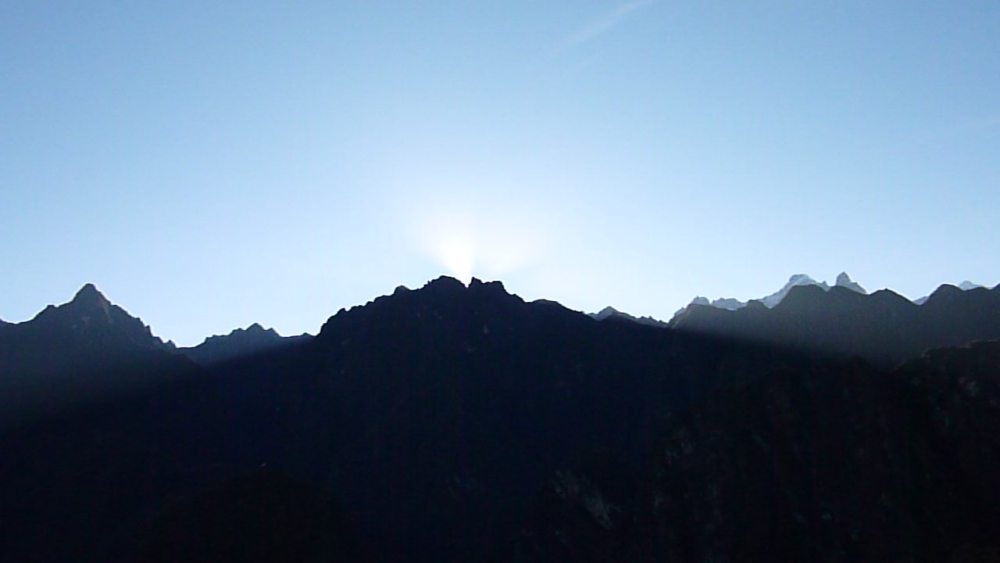
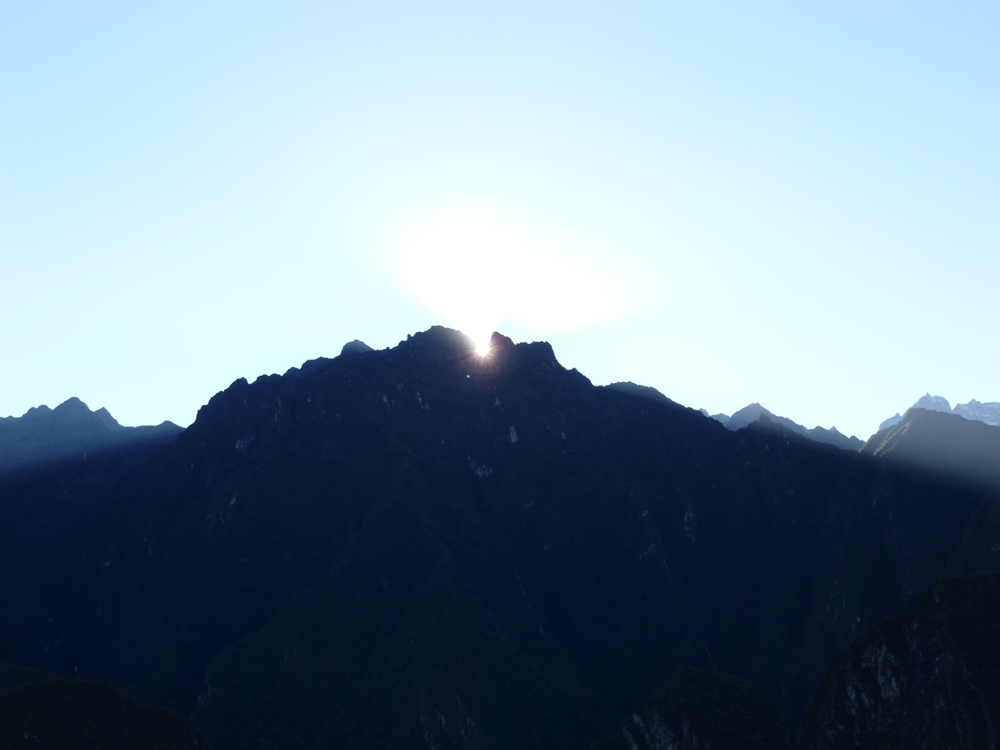
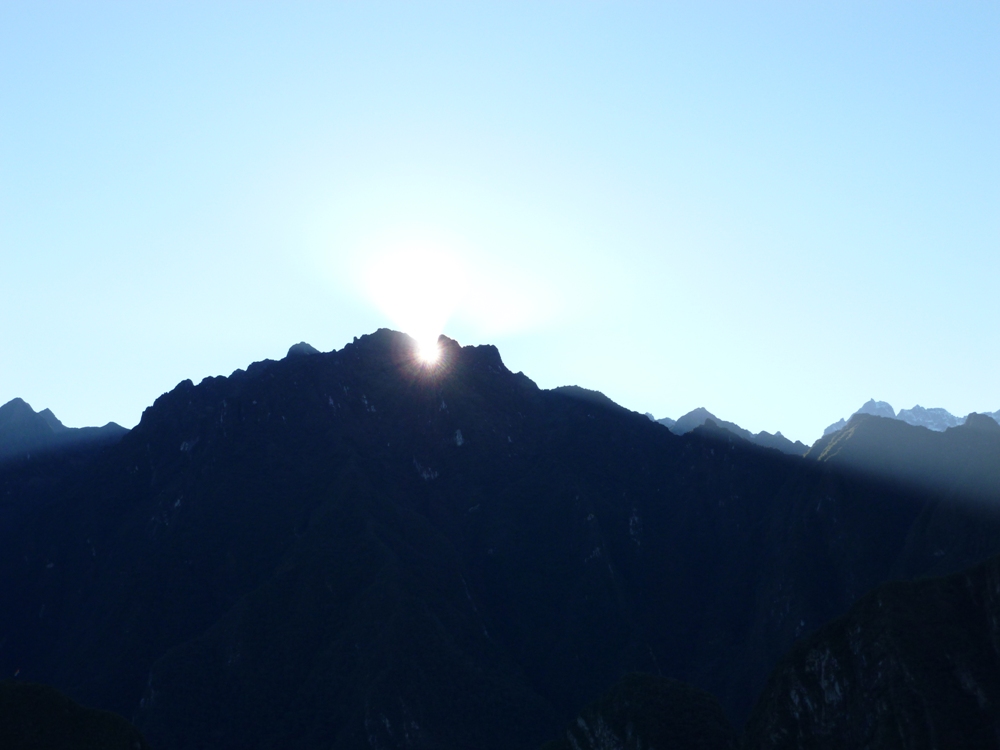
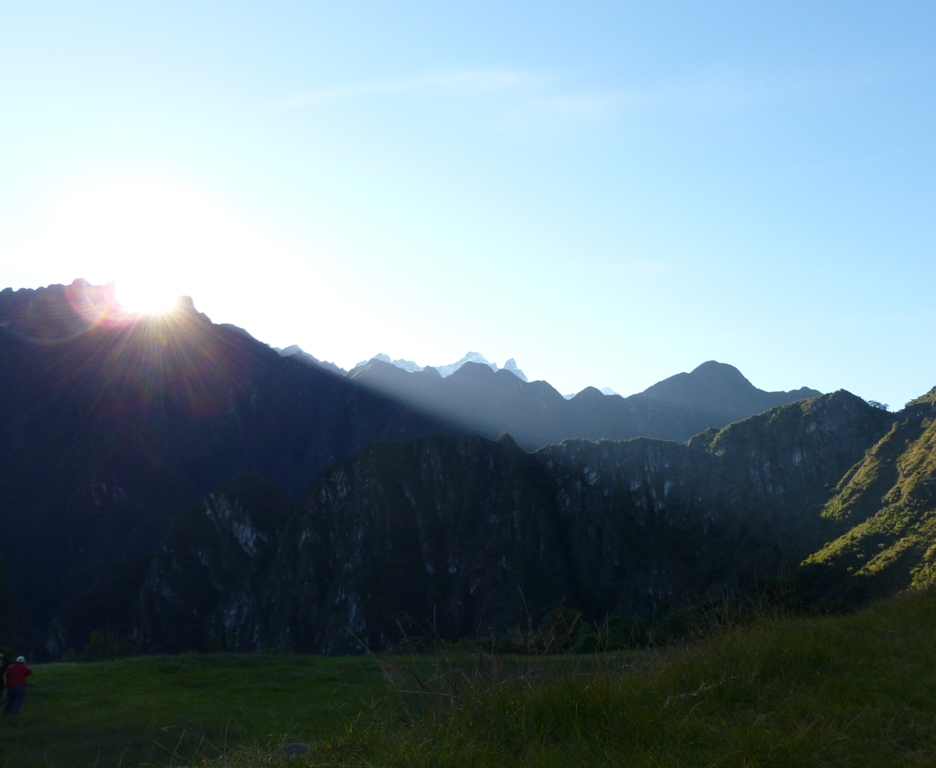
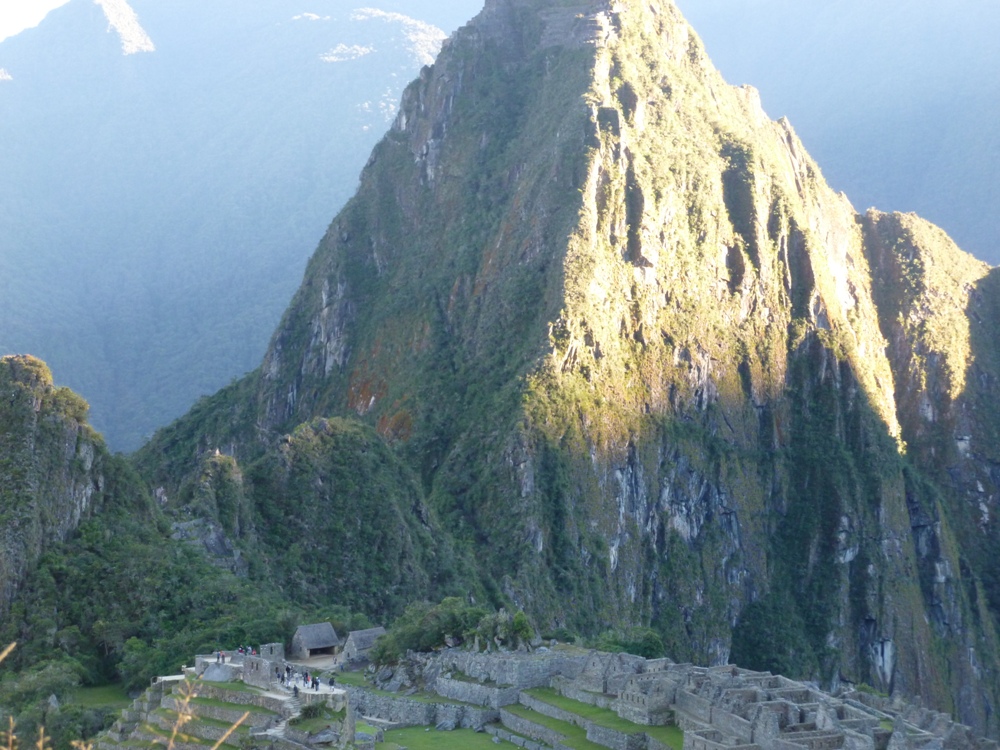
Experiencing that sunrise expands the spirit and changes you forever.

The Rapanui, the ancient people of Easter Island, the old theory went, committed ecoside, chopping down all the trees and bashing each other over the heads with them. True?
Maybe not. Read my favorite book, The Statues that Walked, by Terry Hunt and Carl Lippo, and decide for yourself.
http://www.thestatuesthatwalked.com/The_Statues_That_Walked/Home.html
The ancient Rapanui rocked! (Literally.)
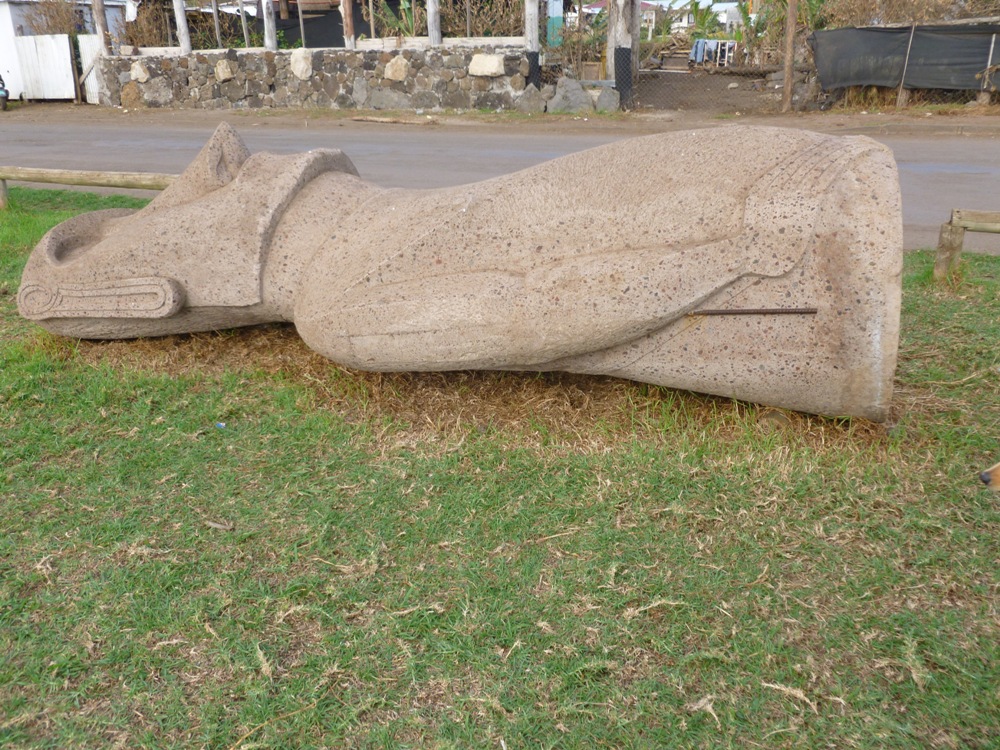
Modern Rapanui are funny. What’s wrong with this picture? Hint: ancient Rapanui didn’t have rebar.
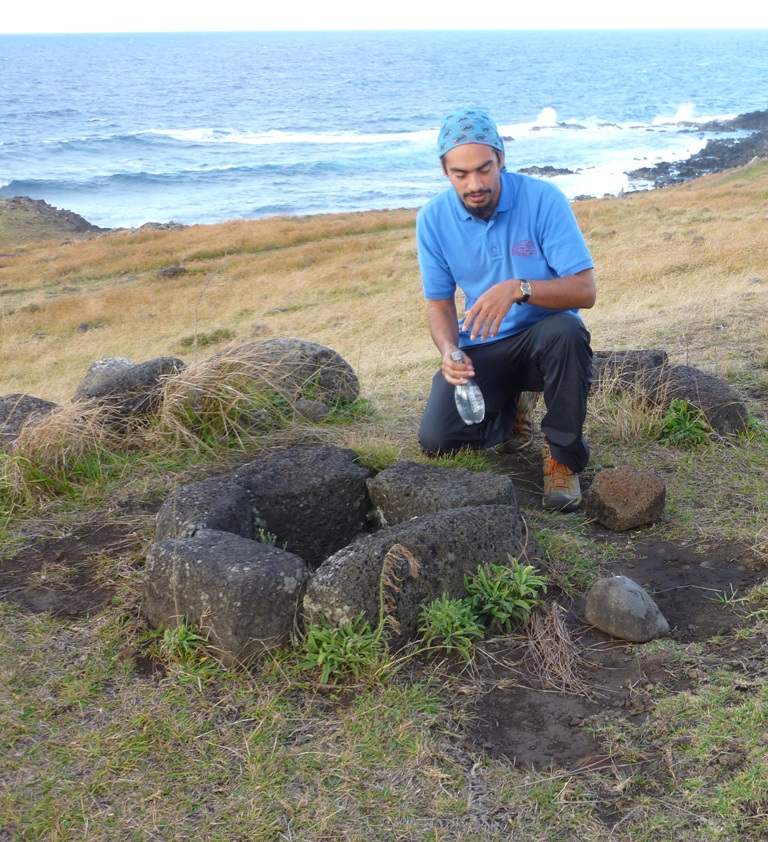
Modern Rapanui are handsome and very smart. (Christian, tour guide and historian:)
What negative stories of places or people did your travels debunk?
 Nicci Carrera