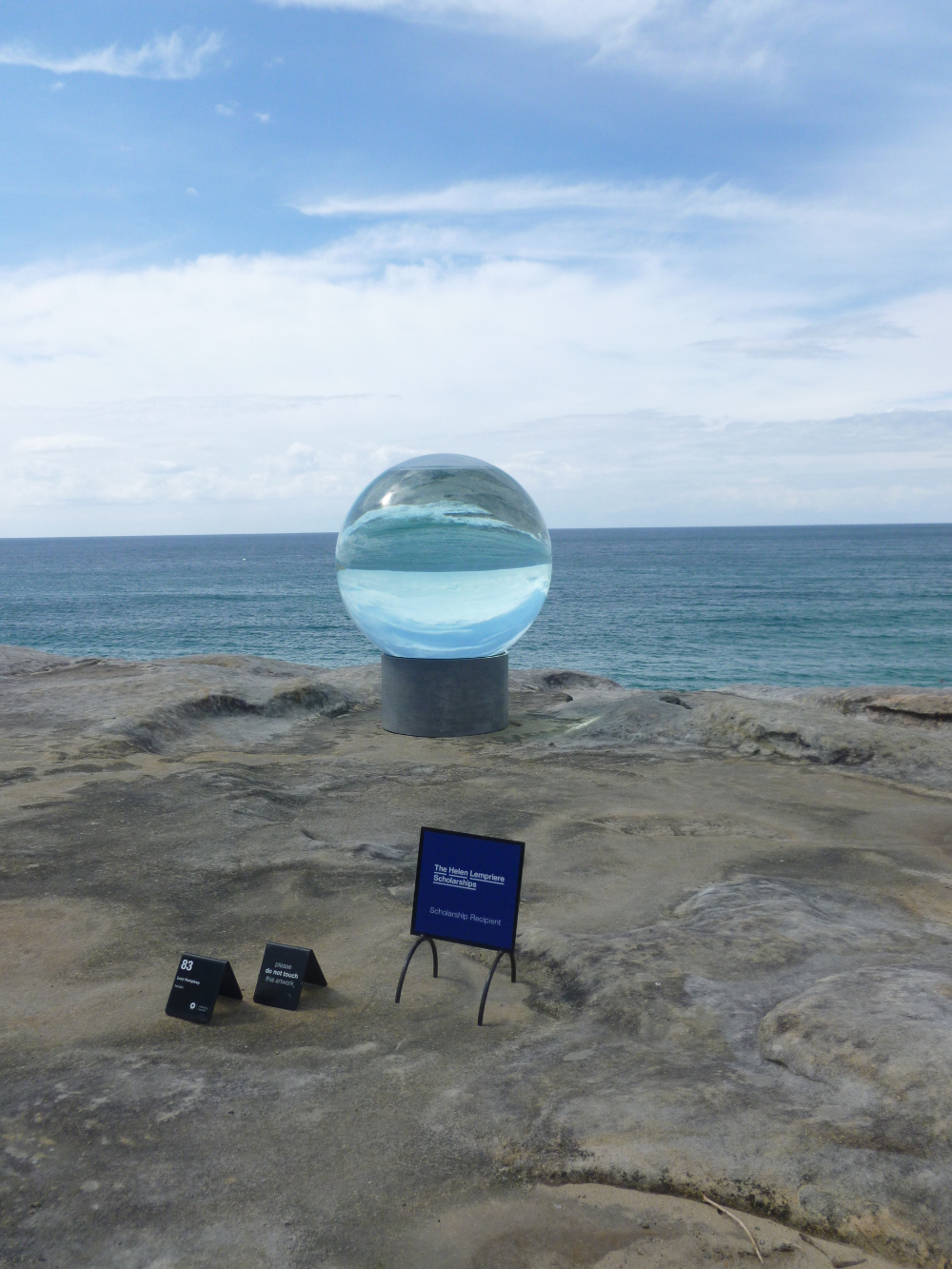
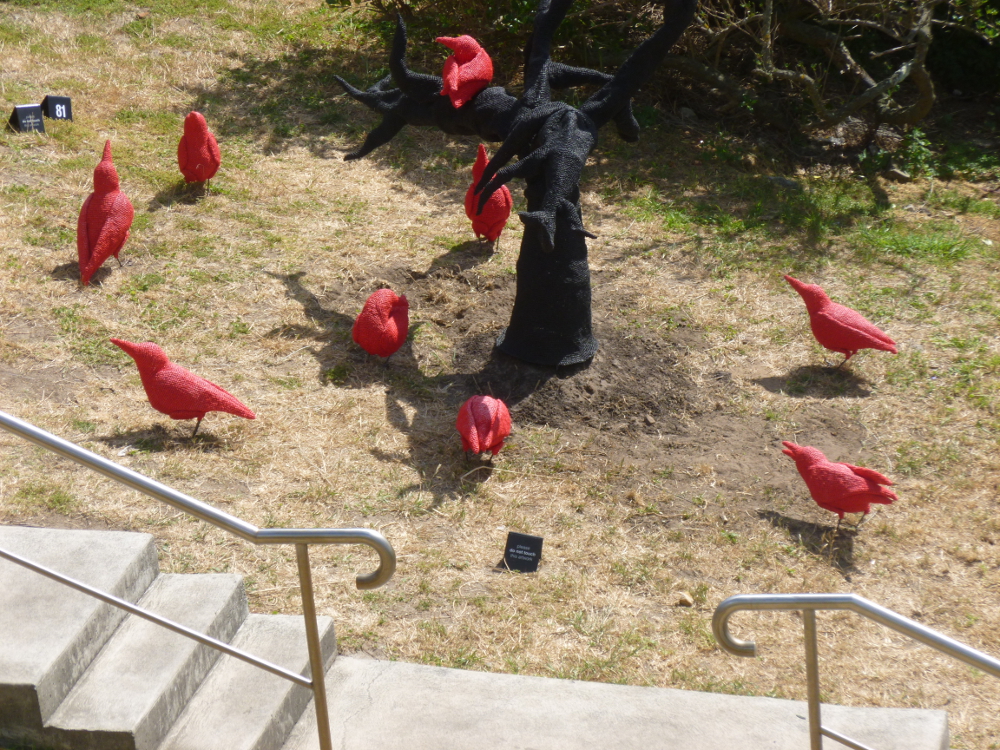
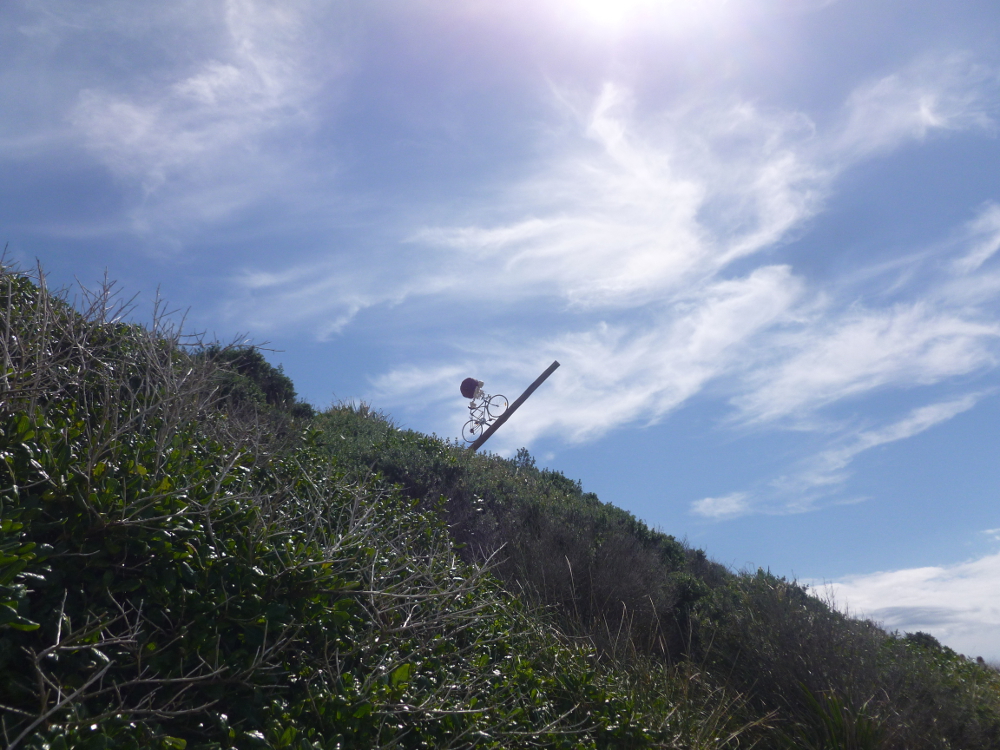
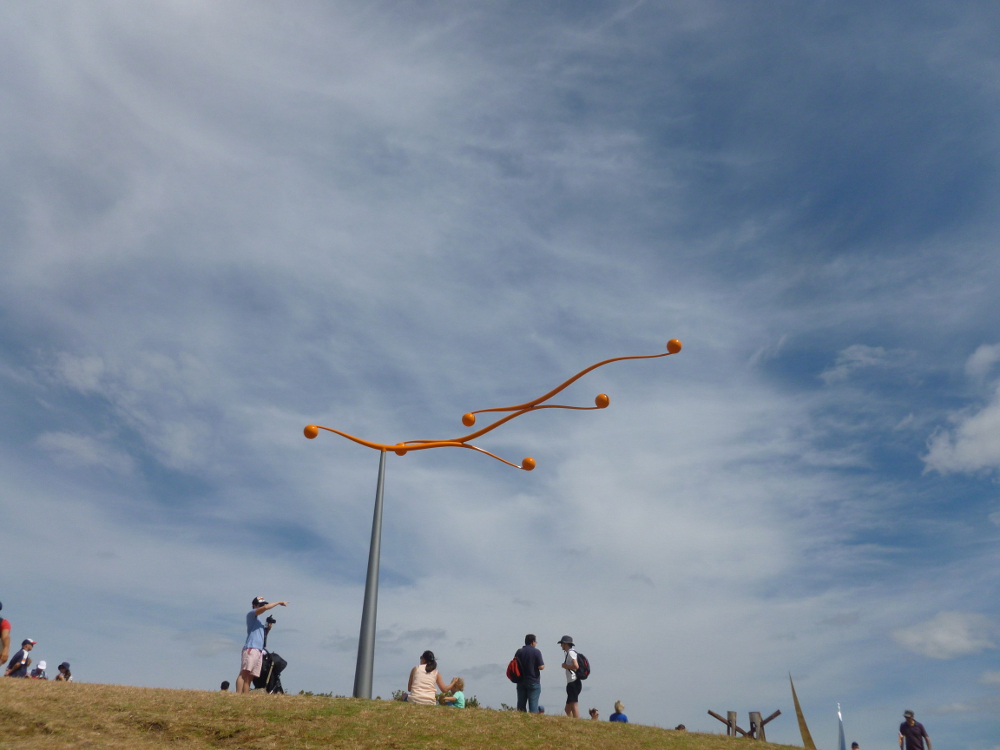
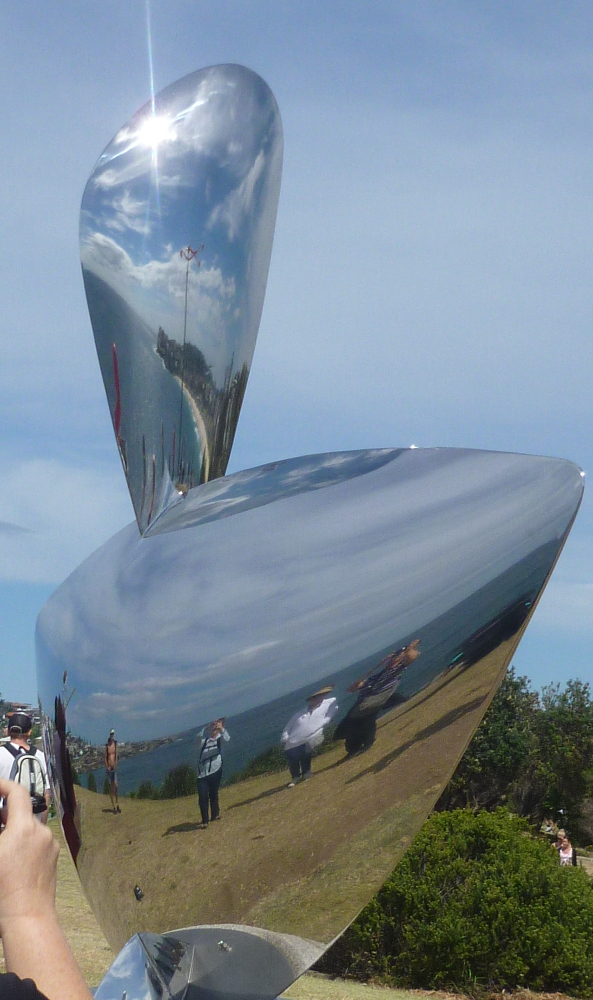
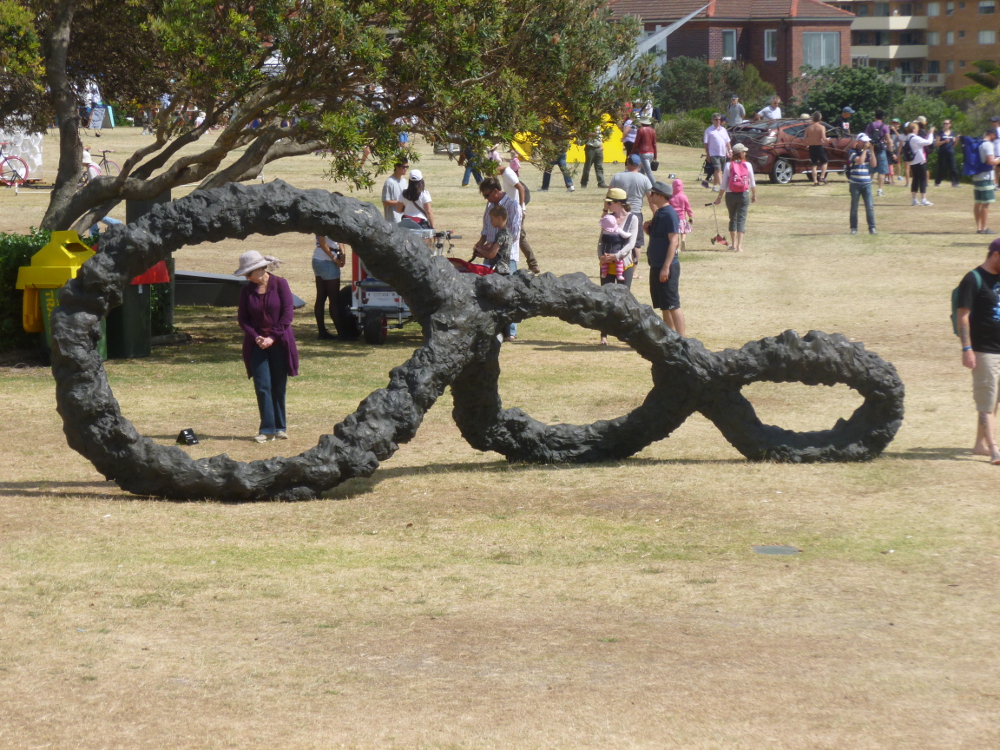
Here are the rest of the sculptures from the Bondi Beach sculpture exhibit in October, 2013. This way you can get a feel for the exhibit’s size and for the environment. Then I’ll do another post with my favorites. Please feel free to vote! (To see the first post, go here Bondi Beach Australia sculpture walk, 1.) I didn’t capture many of the names of the pieces or artist’s names, because this was for fun and enjoyment, not work! But where I did, I included that information.
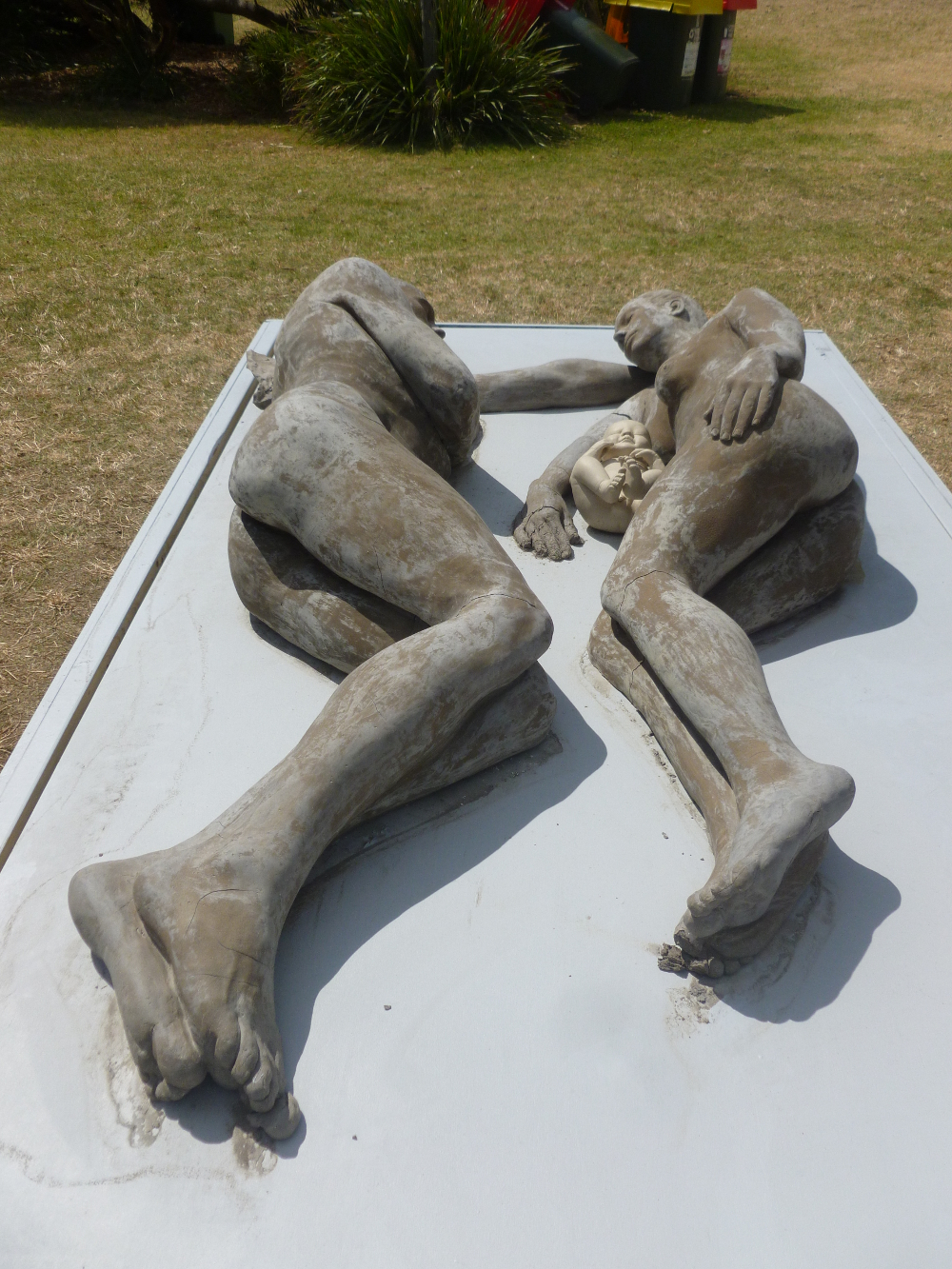
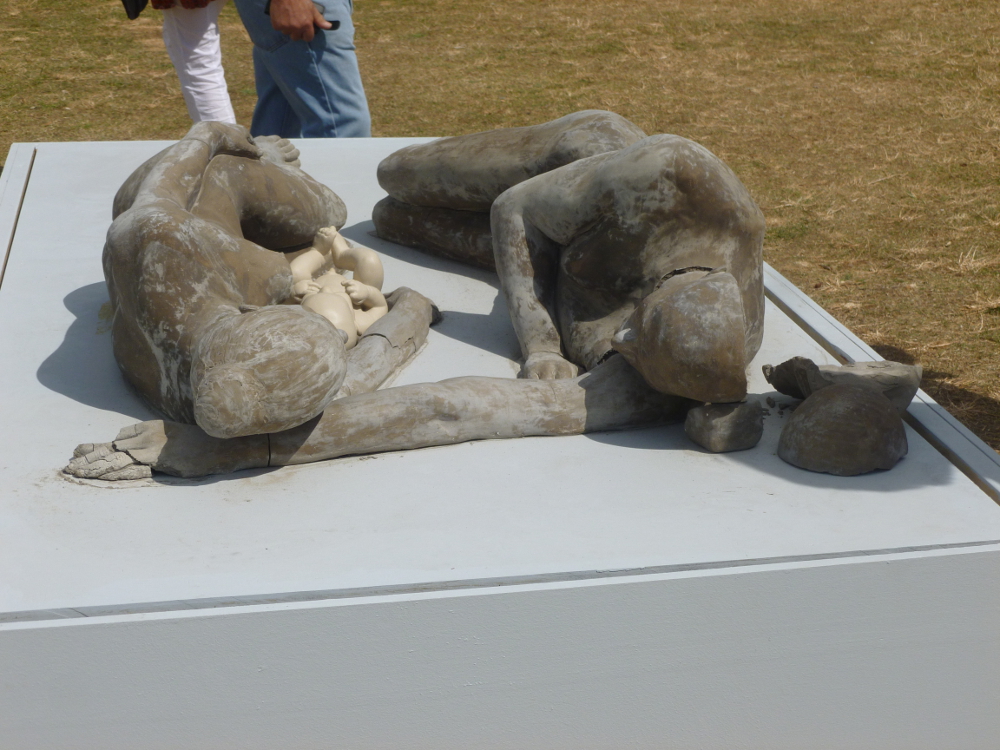
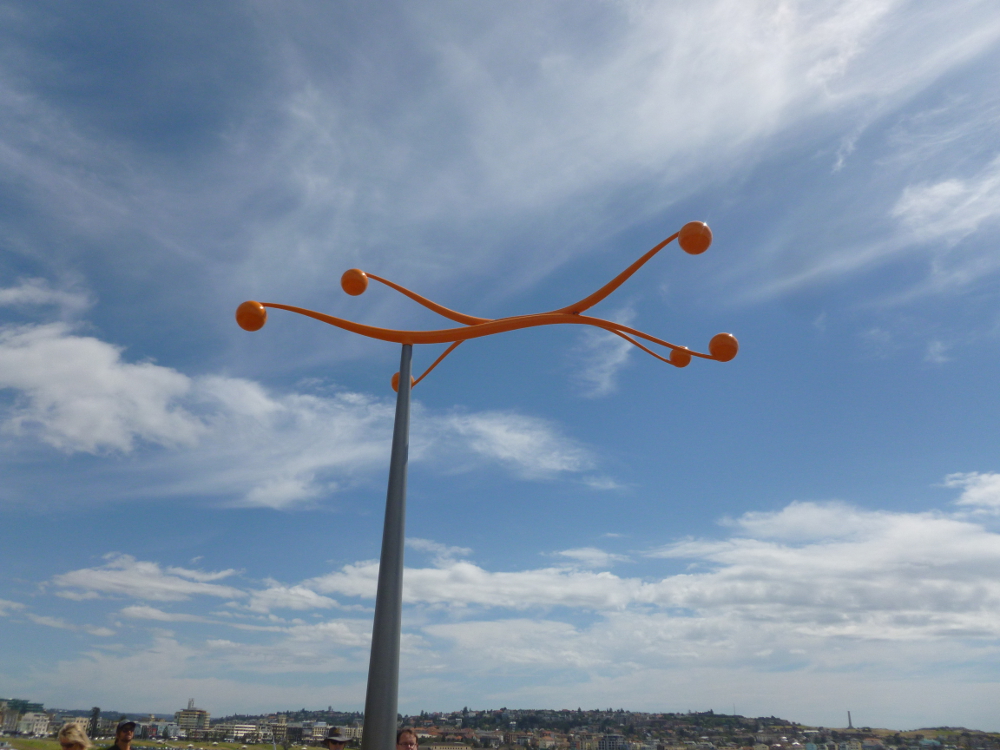
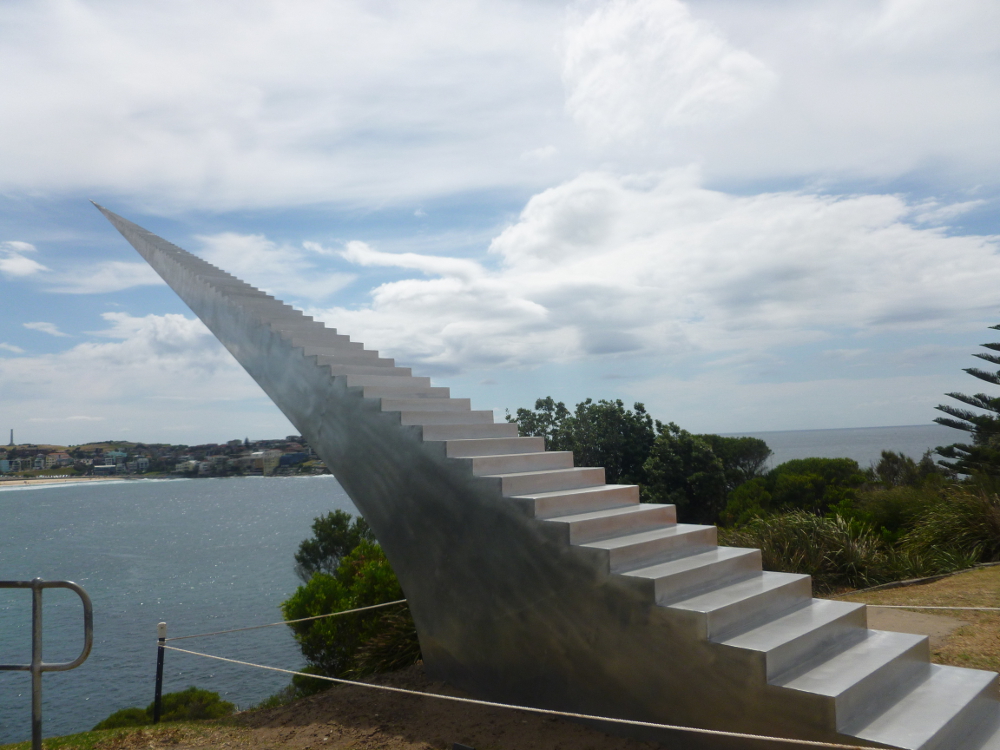
Since this one is in both the first and second post, you can already guess it’s one of my favorites!
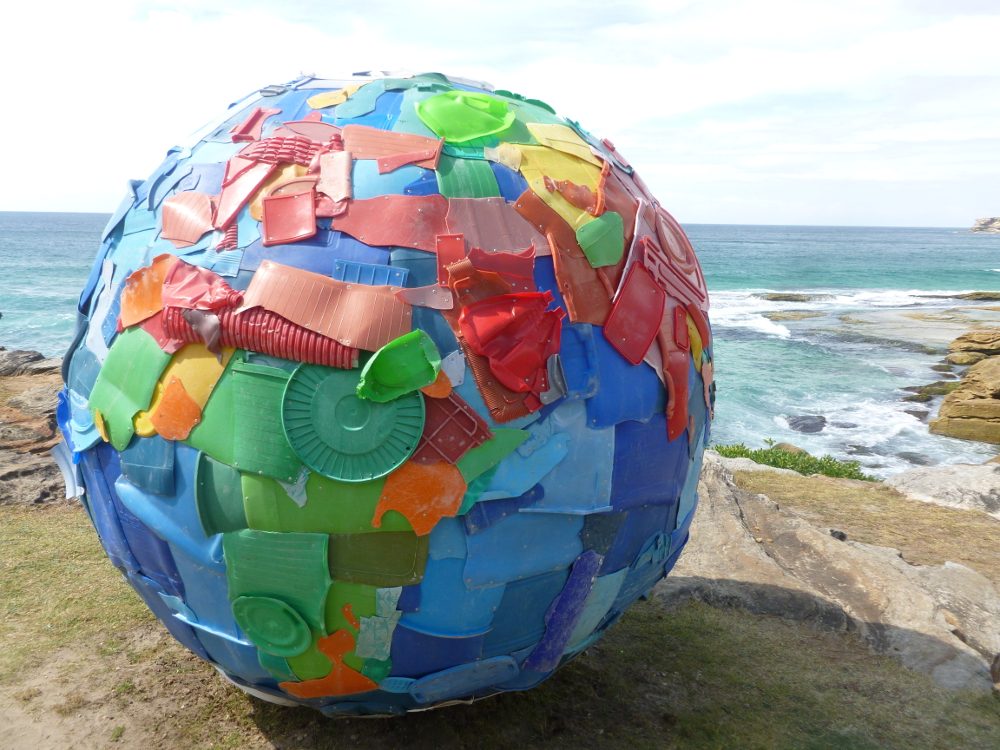
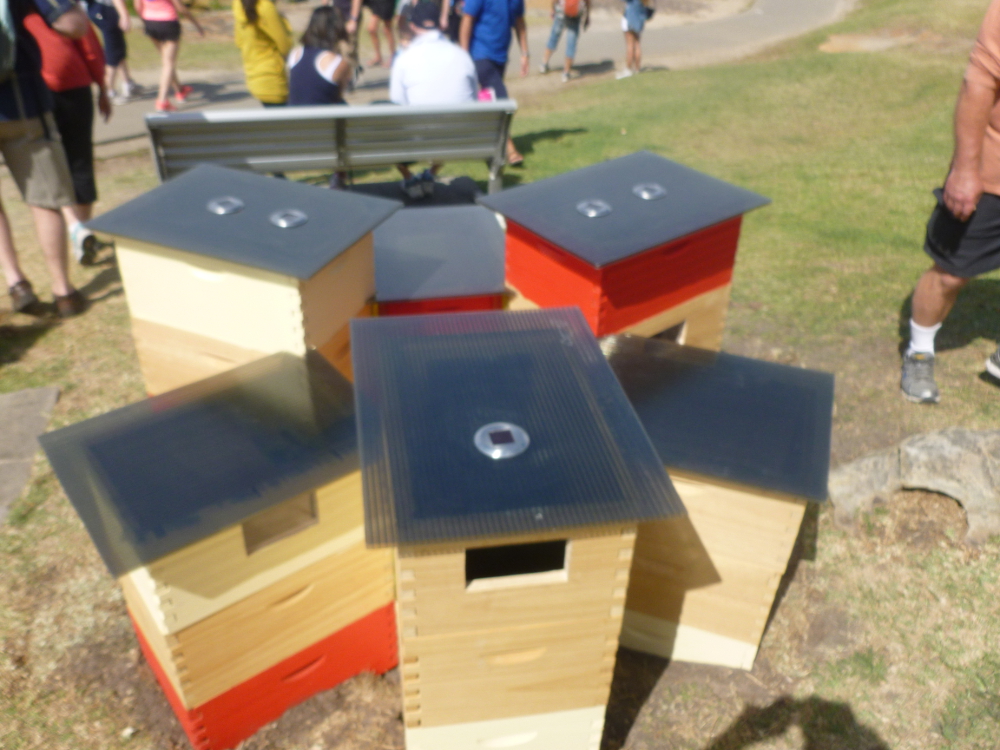
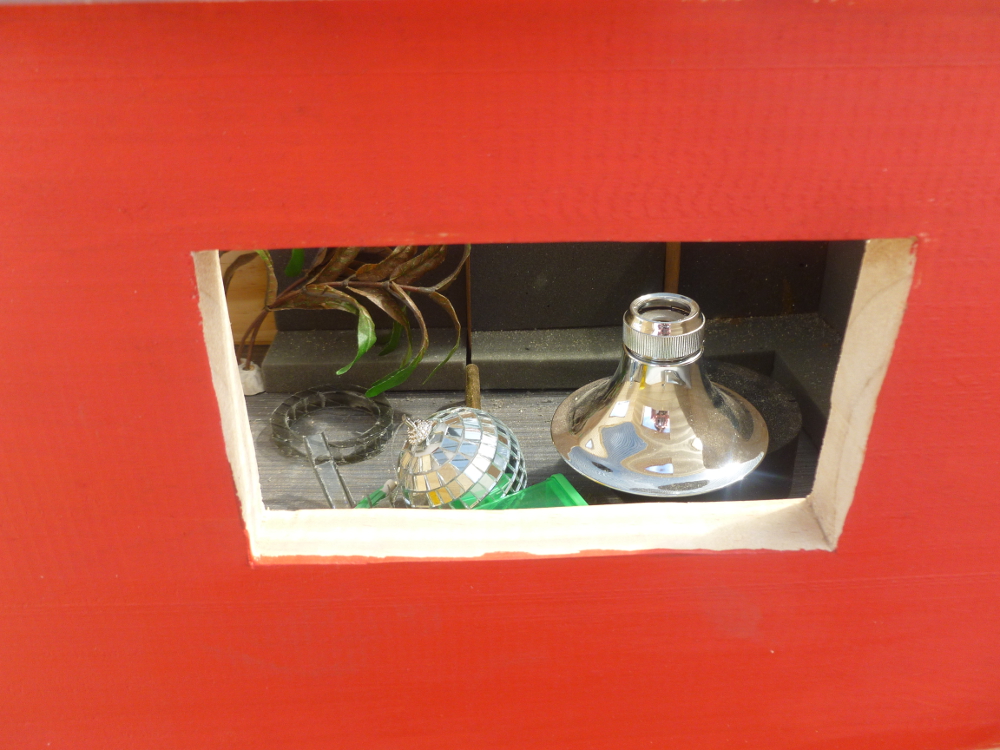
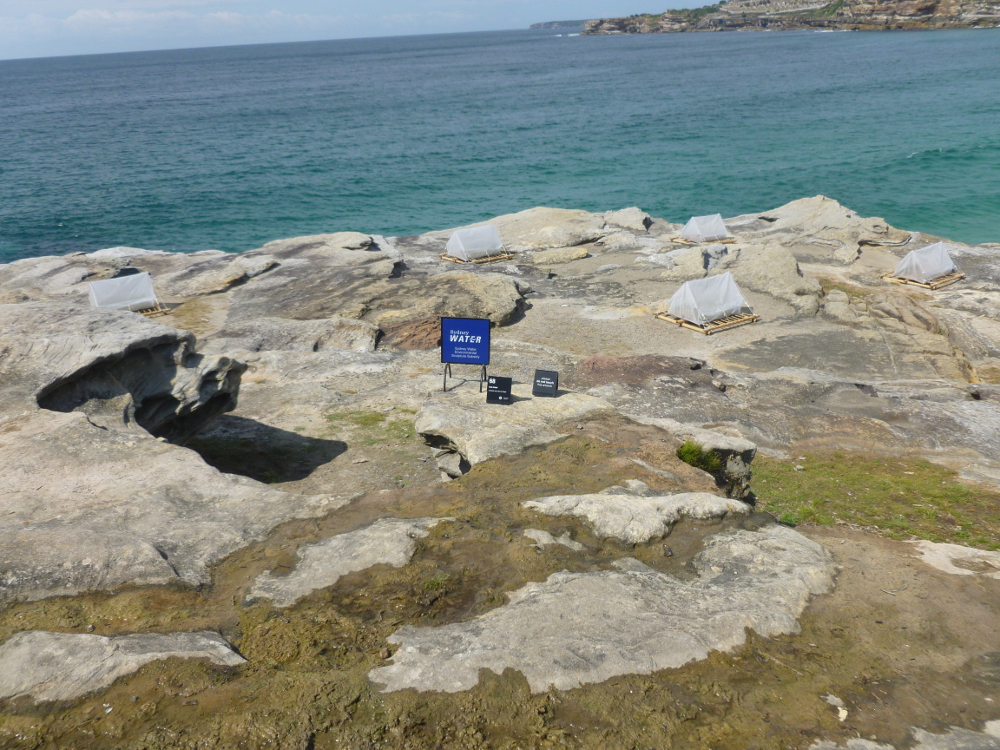
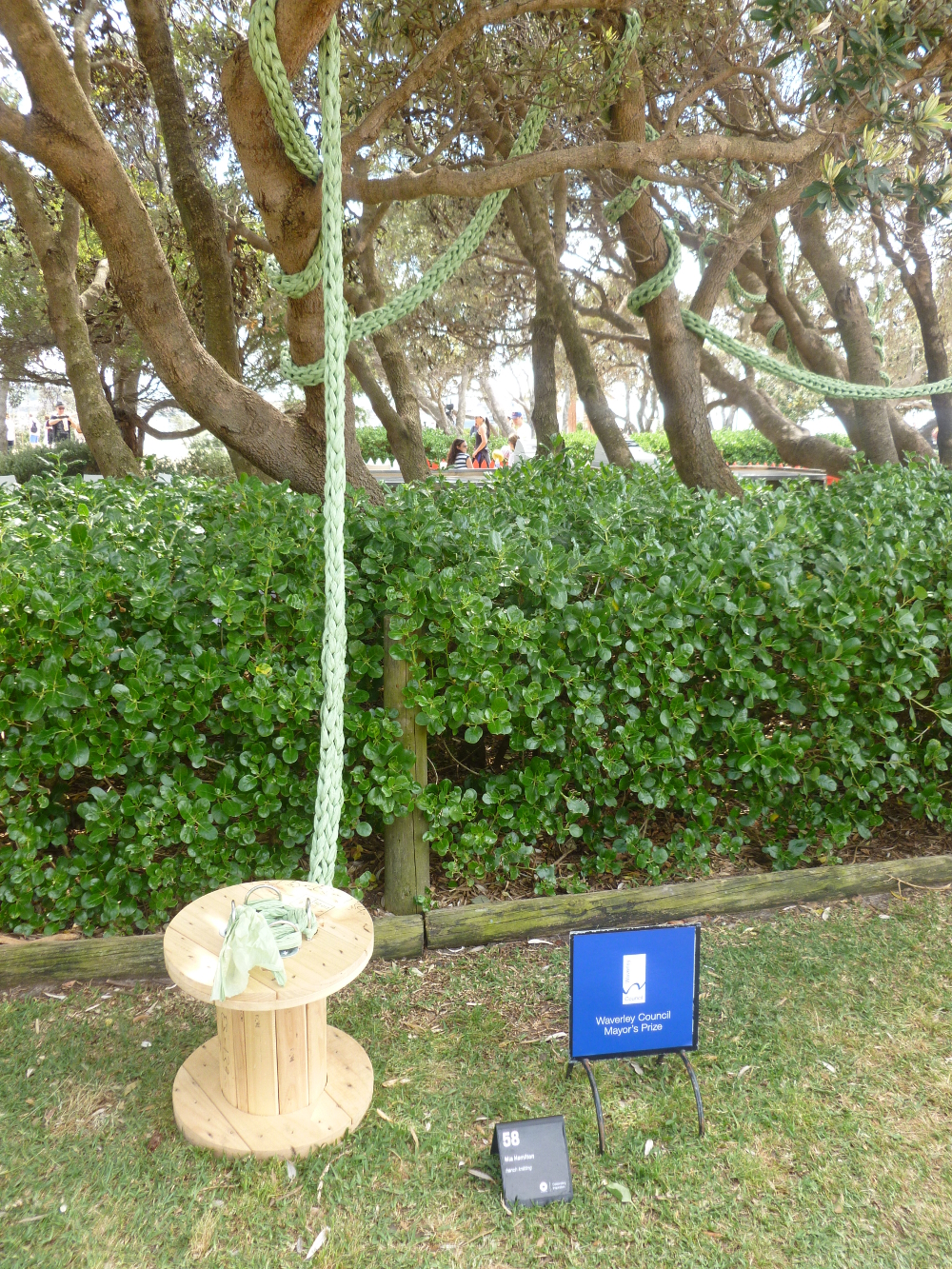
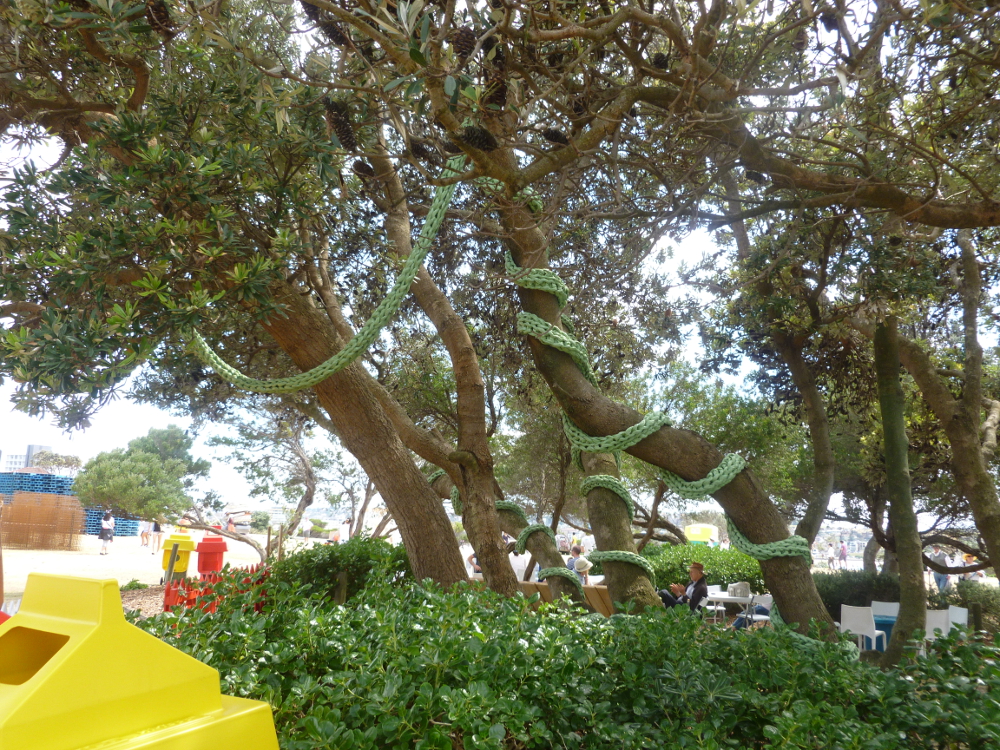
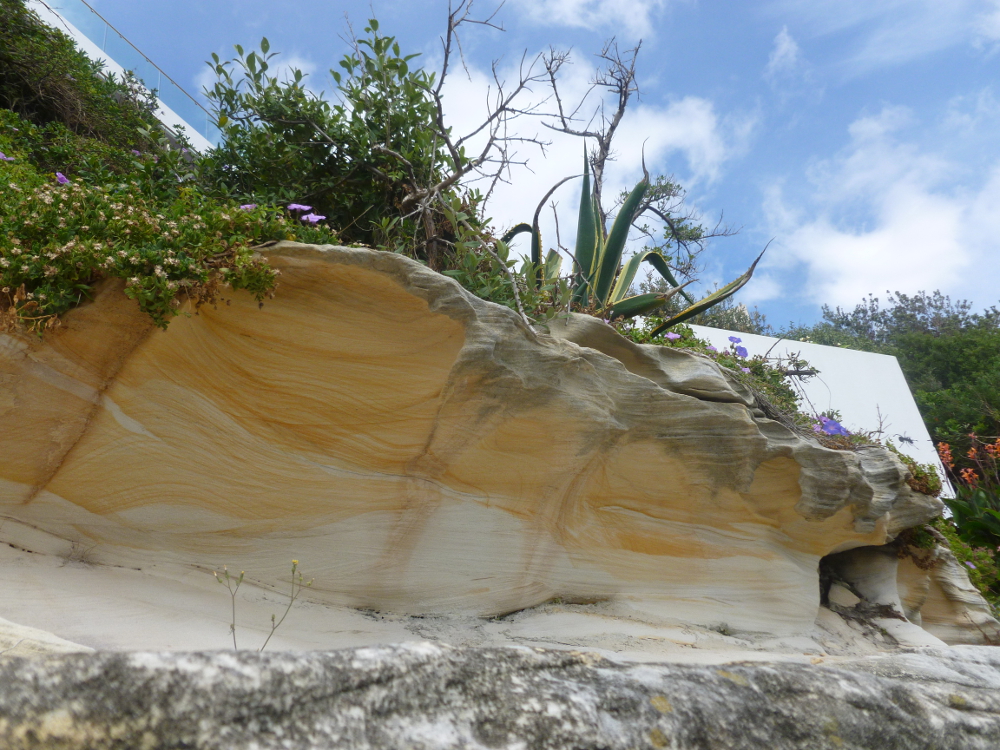
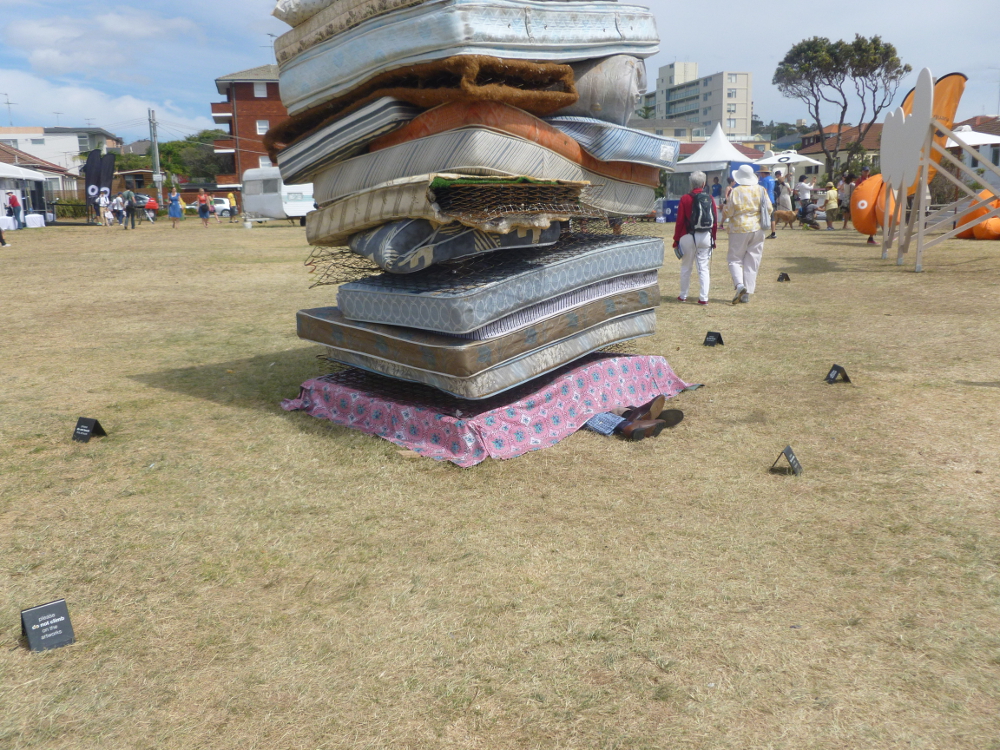
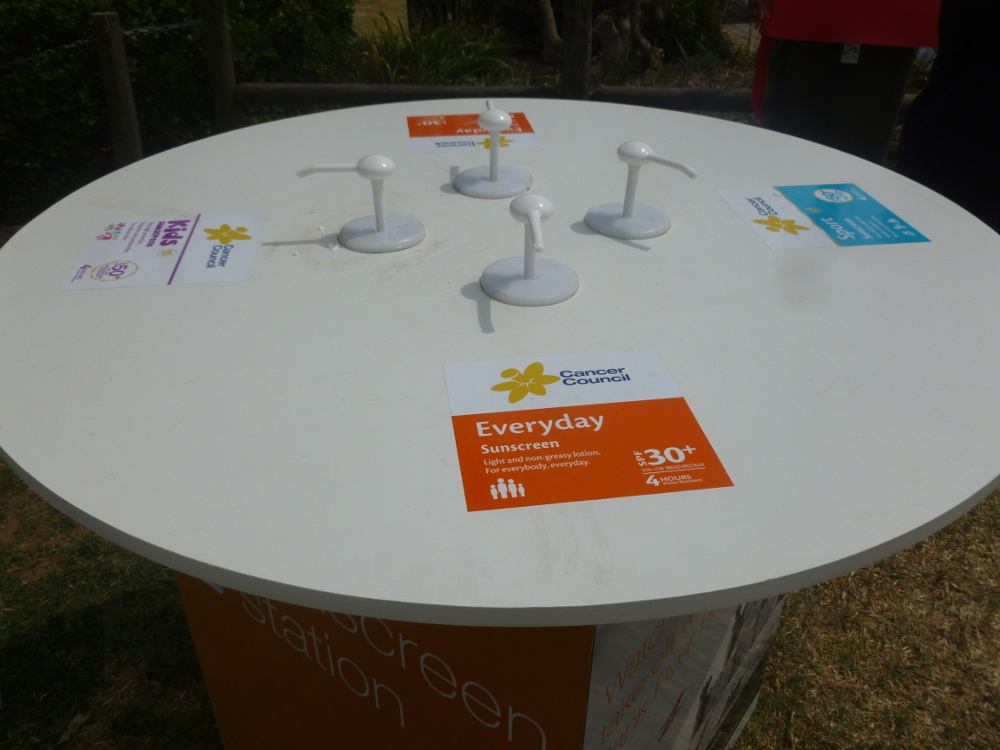
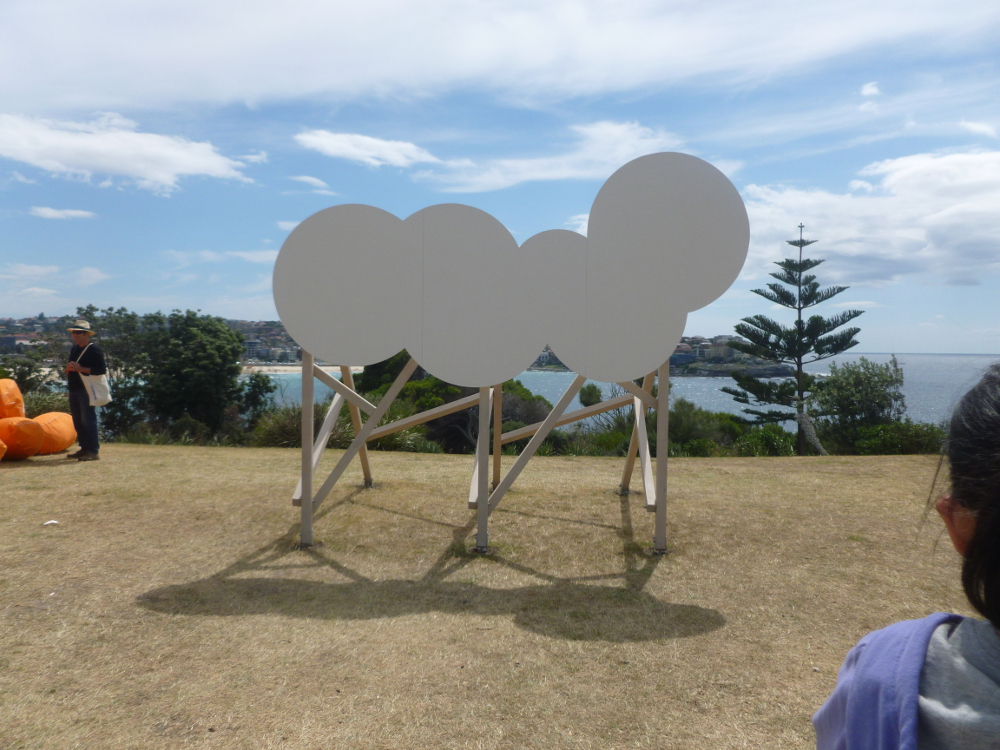
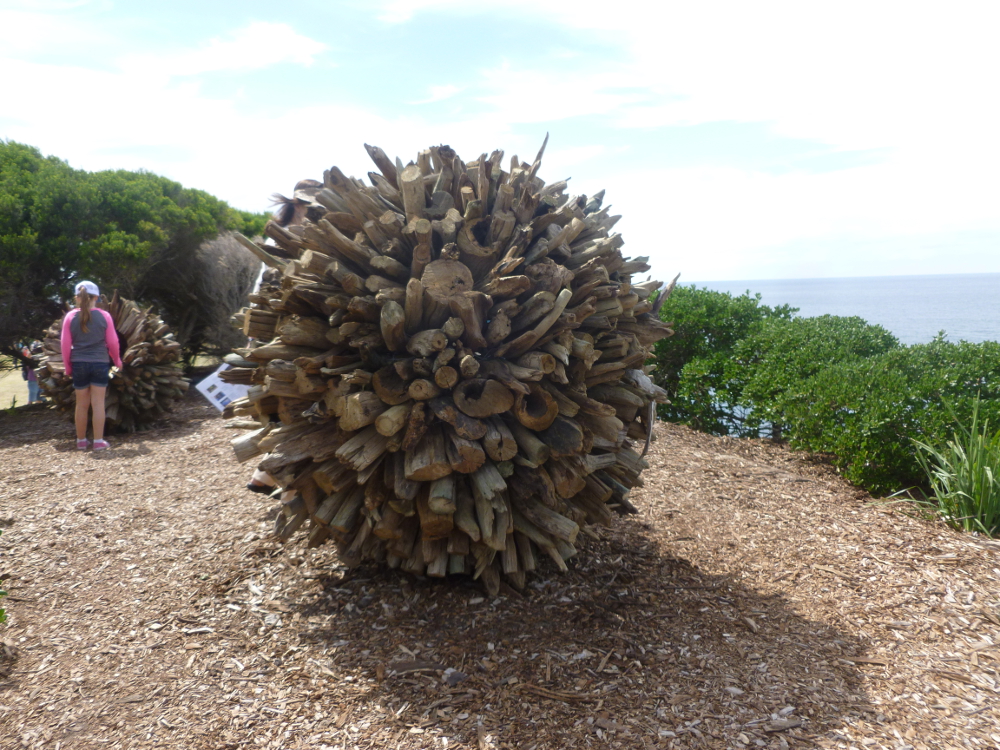
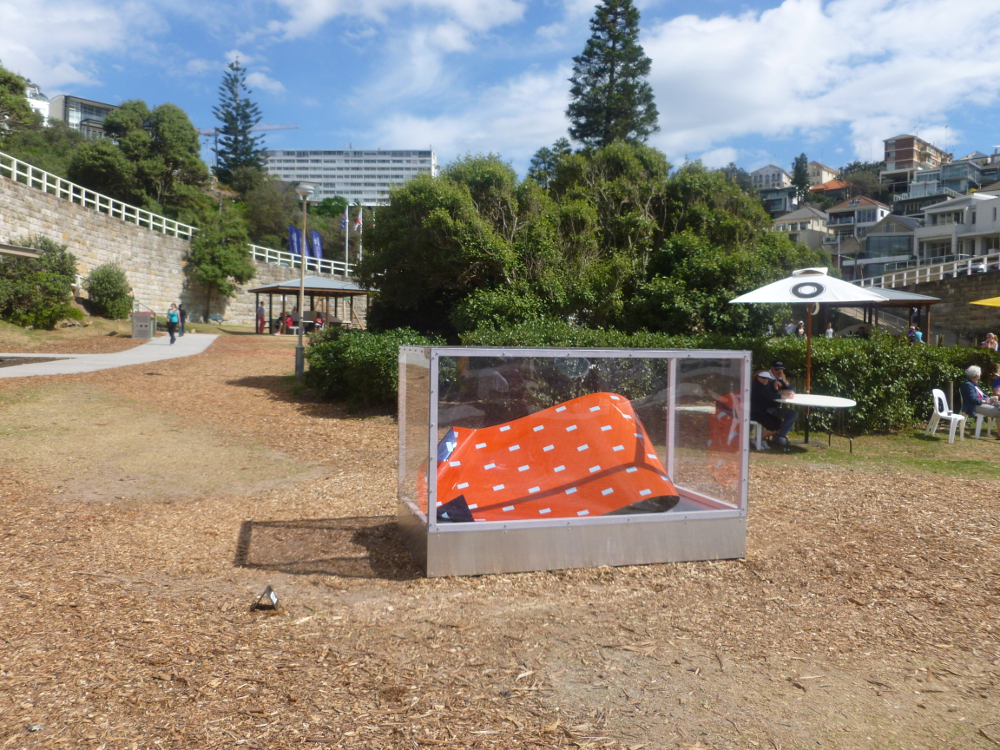
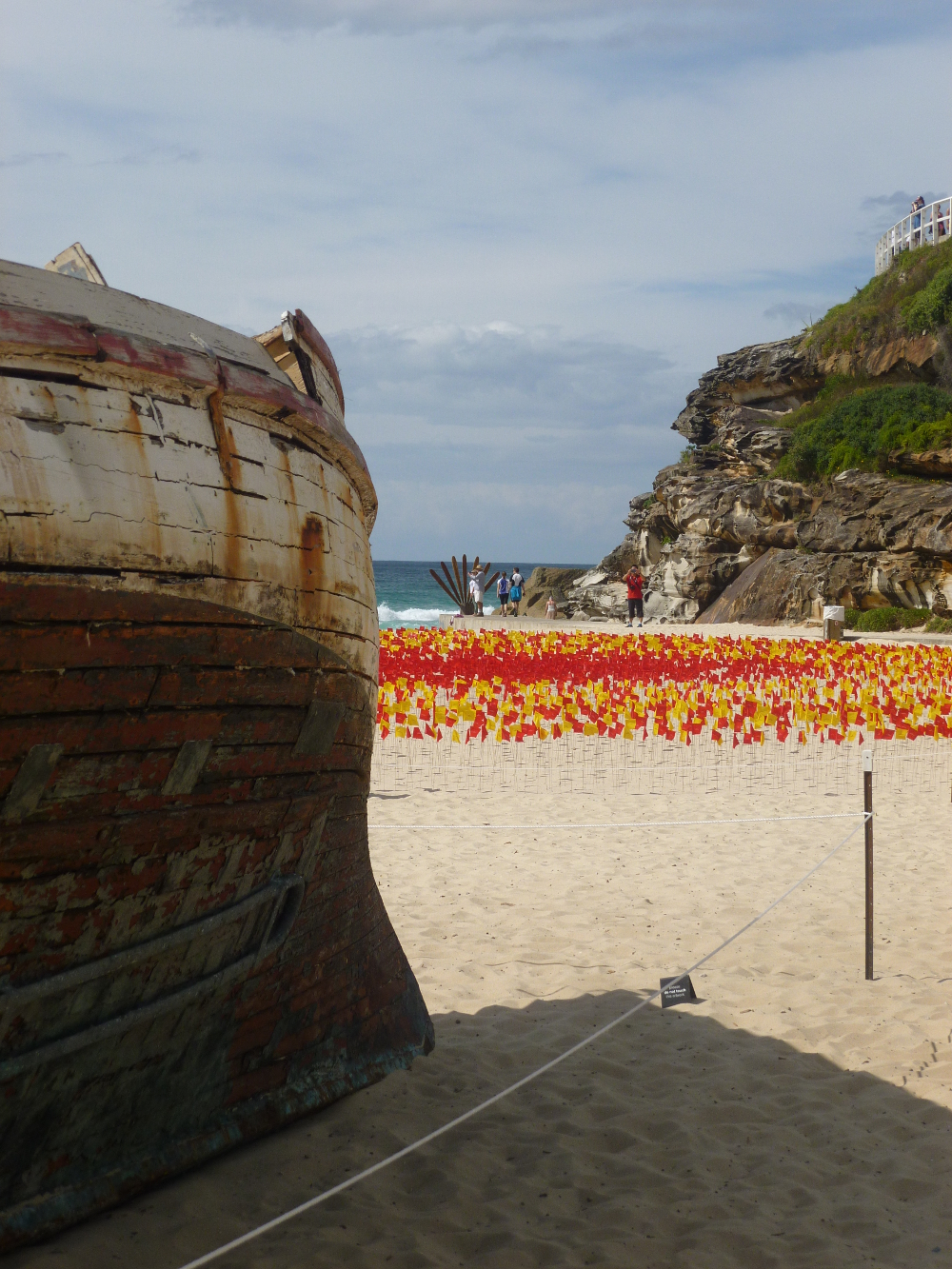
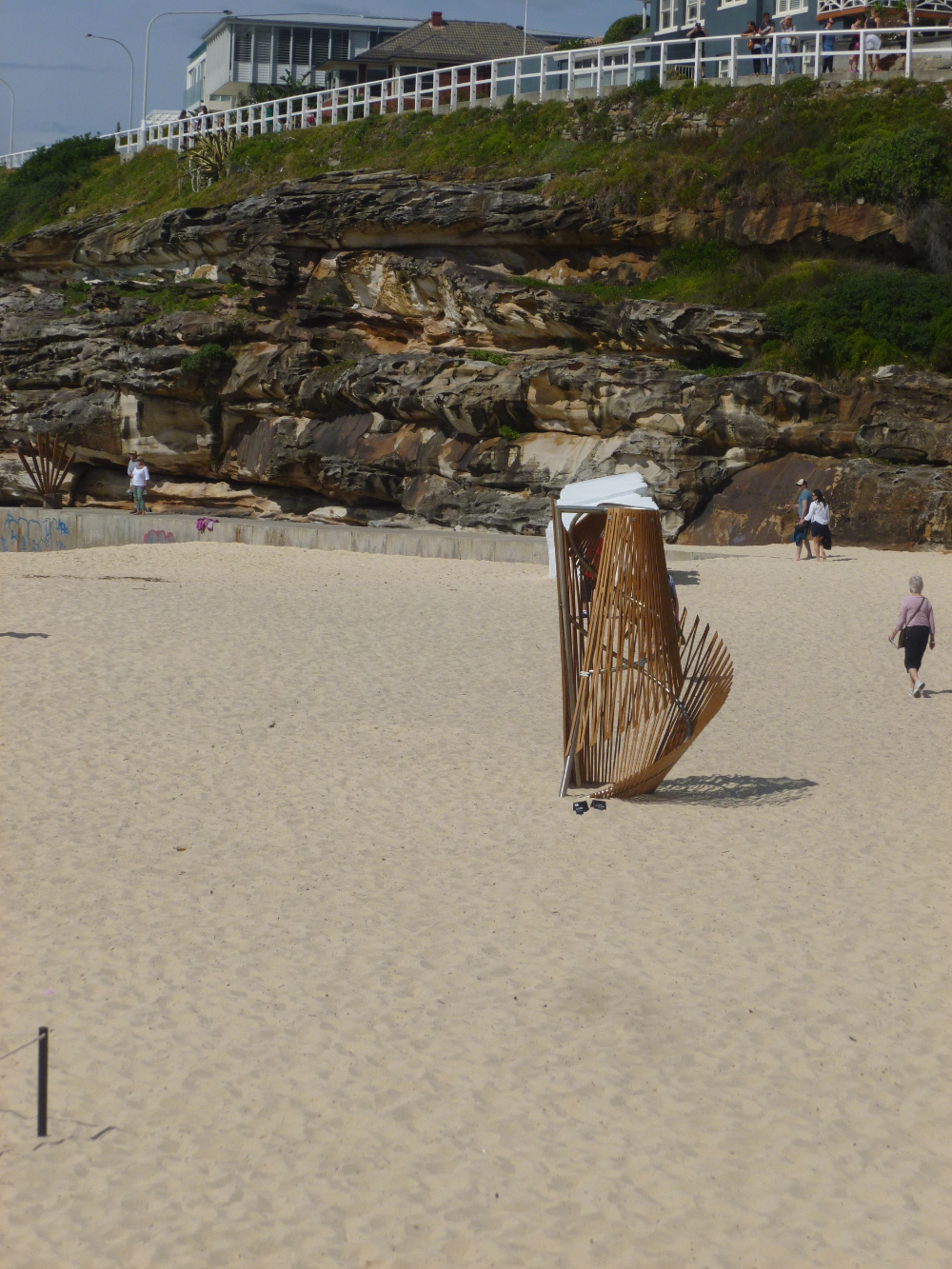
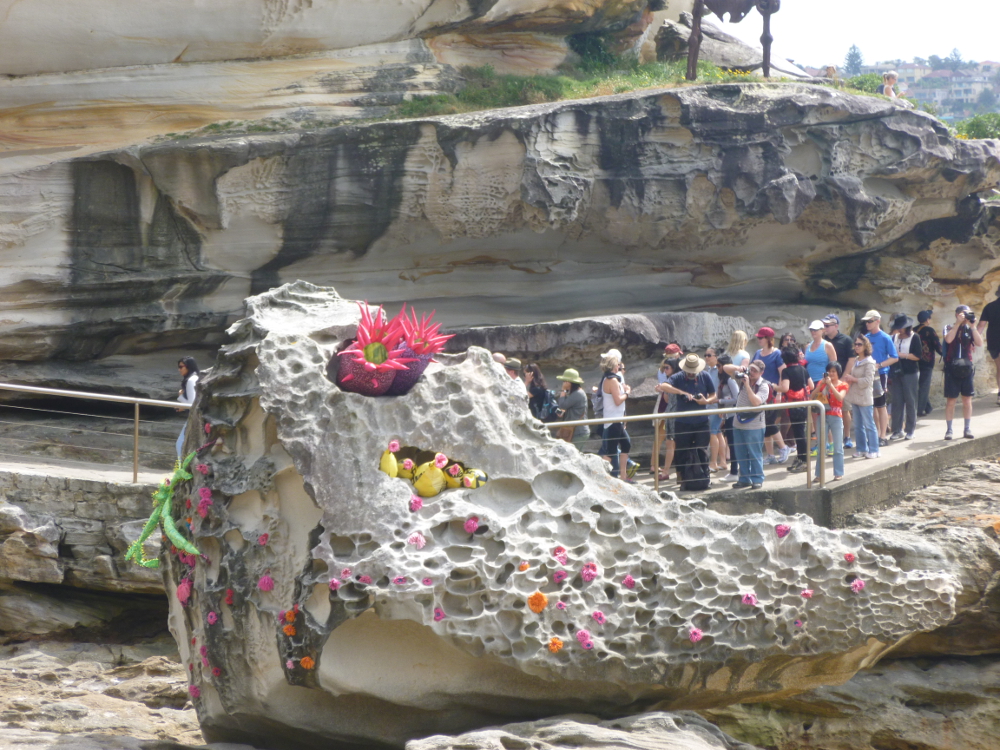
WorldPlastic WorldMiniaturesInside the miniaturescamel country ii, by Koichi OginoLittle tents, not sure of actual titlePlastic bagsPlastic bags(de) composition: family, by Arun Sharma(de) composition family (2)Your place, by Byeong-Doo MoonThe crowdsNature’s sculptureSaved (rusty pipe), by Rox De Luca (Note: the pipe was already there, the artist put the plastic-ware on the existing item.)Good night Uncle John, by Eko Bambang Wisnu and Ida LawrenceSunscreen station (not part of the exhibit)Big smoke, By Caz HaswellHusk, by Marcus Tatton
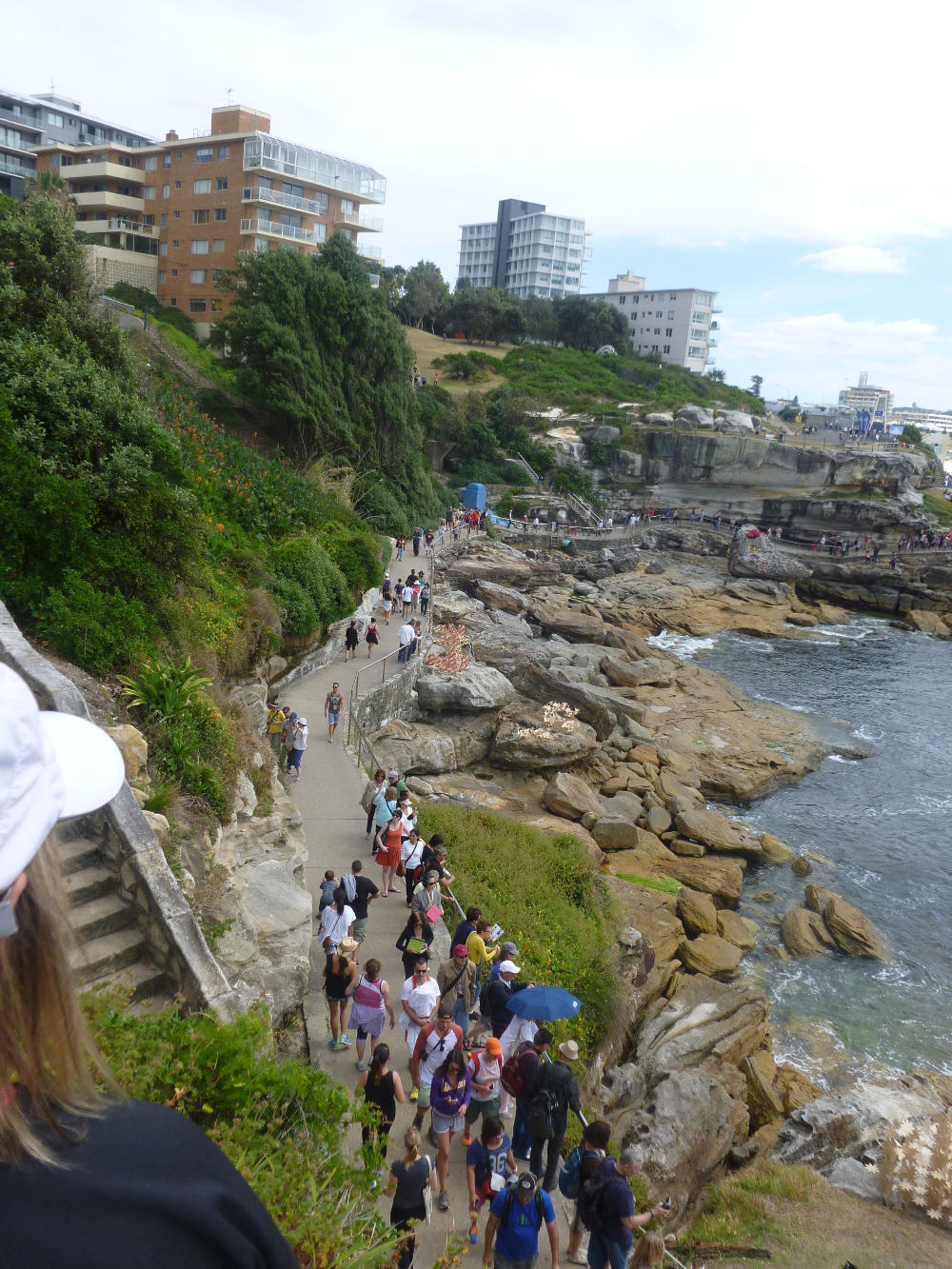
We were in Sydney on the first day of this amazing outdoor exhibit. Combine a stunning location with these brilliant, mind boggling sculptures and you have a lot of photo ops and a very enjoyable, thought provoking experience.
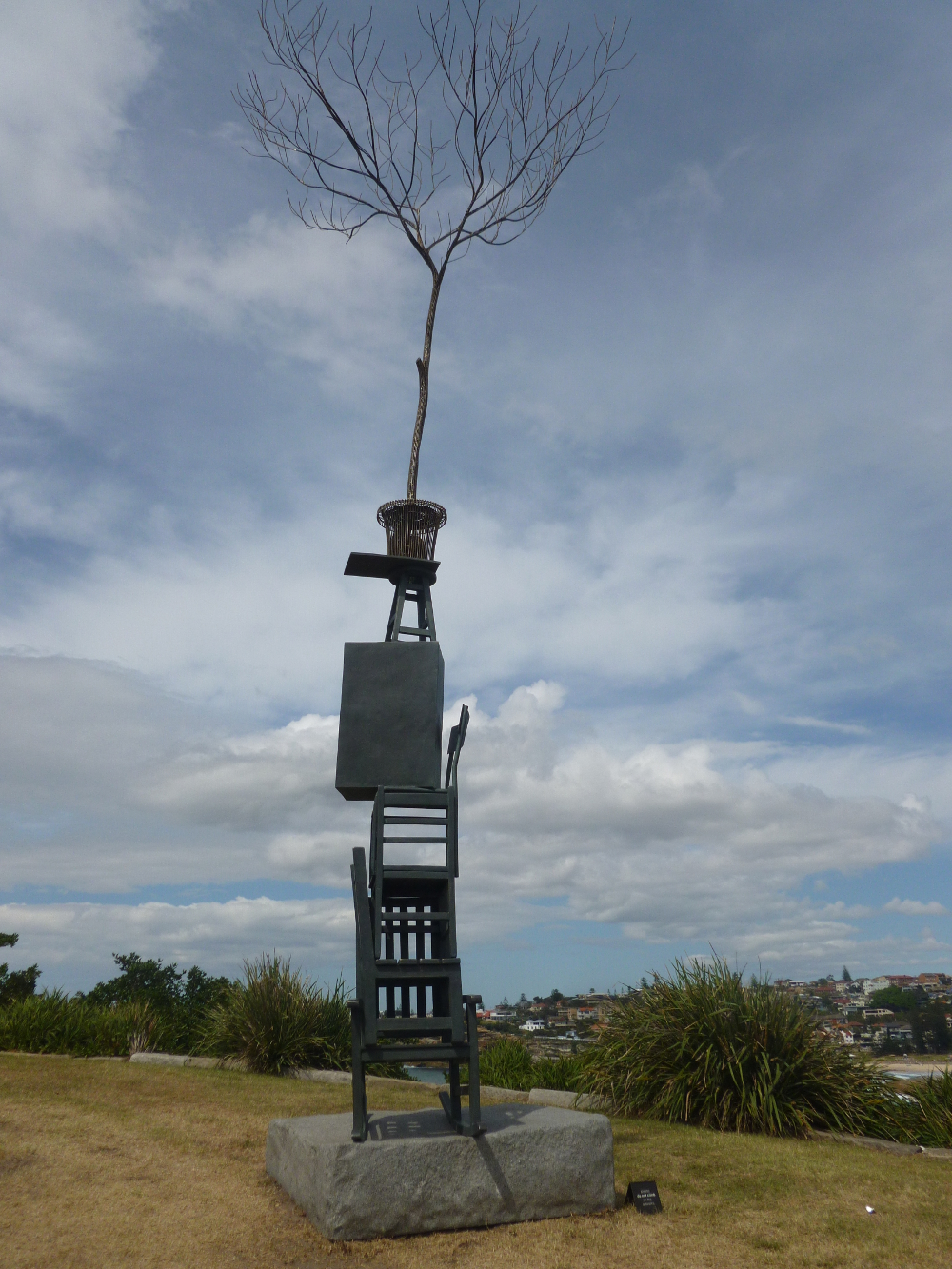
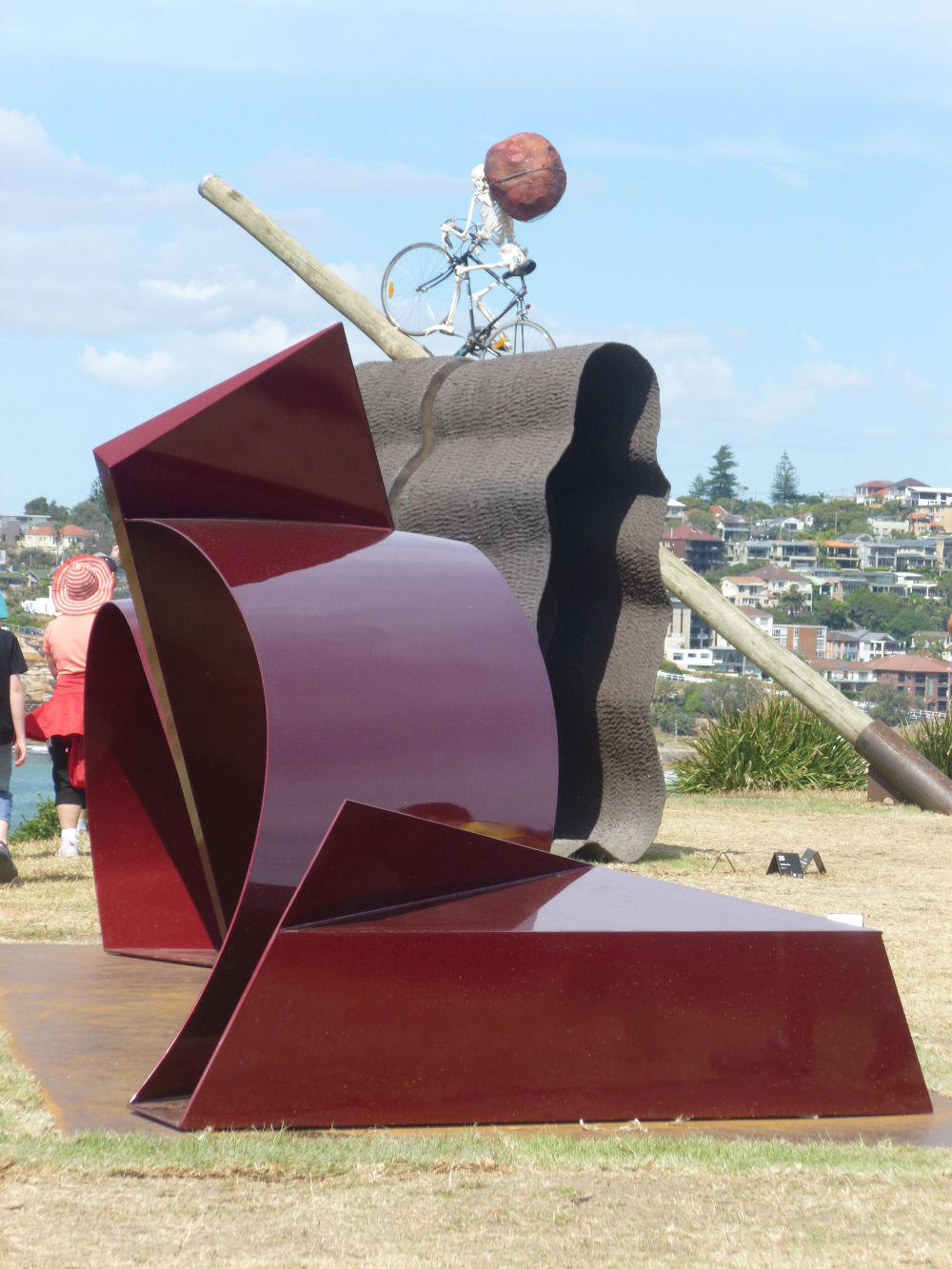
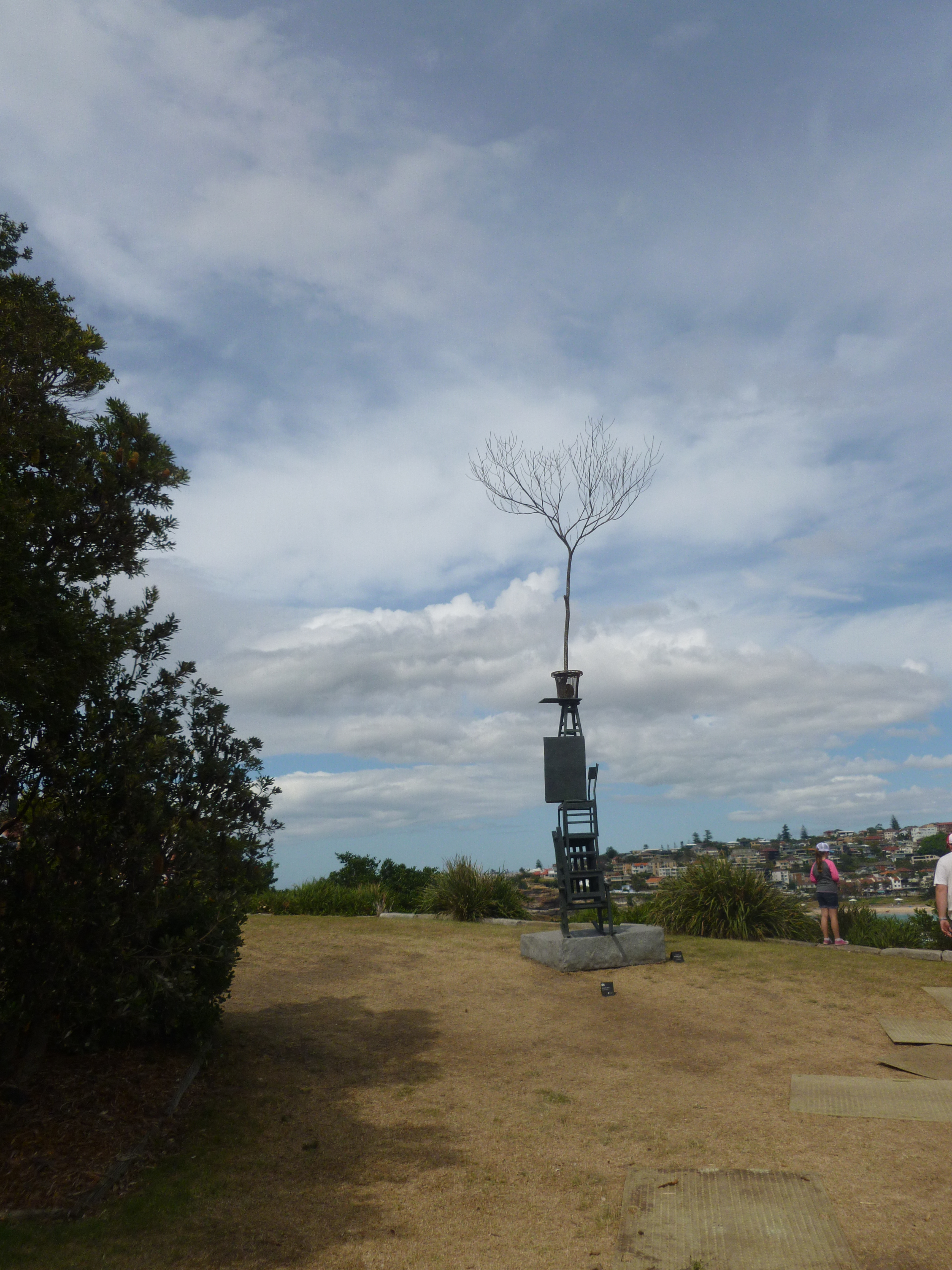
I love this weight of the world one. The artist built it just for this cliff.
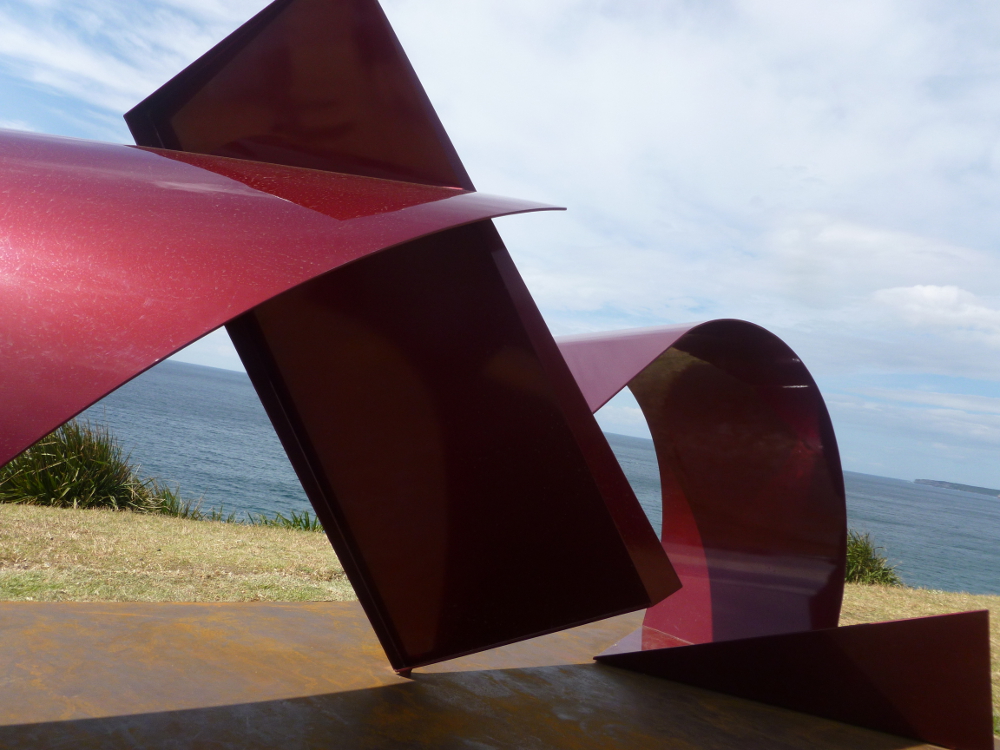
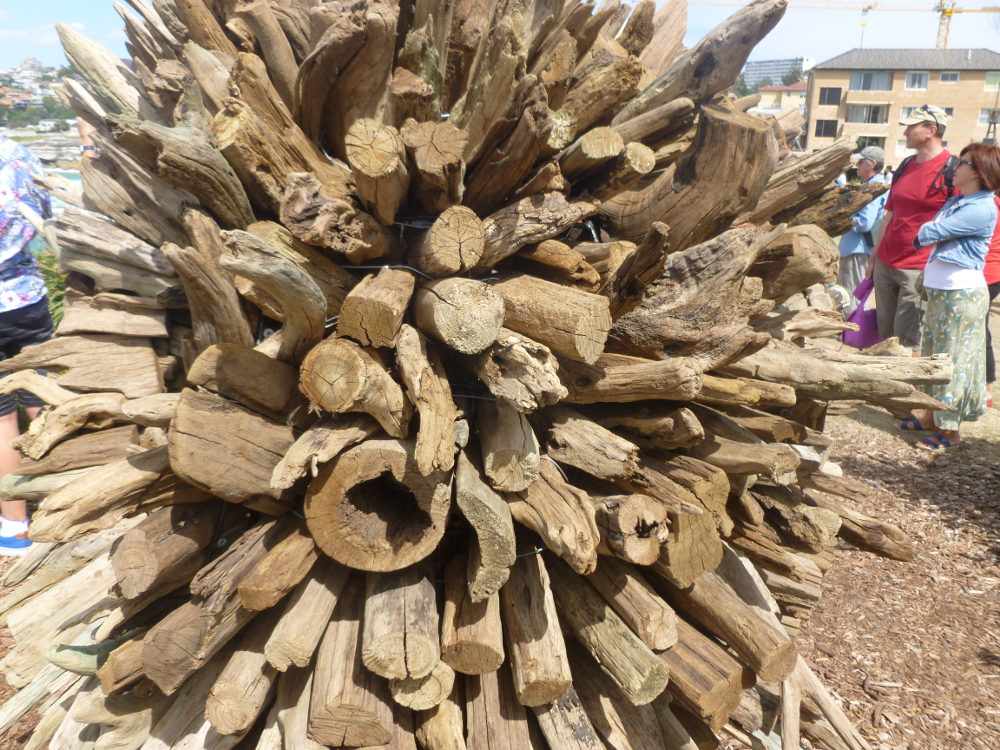
From this perspective it looks like a bunch of boards.
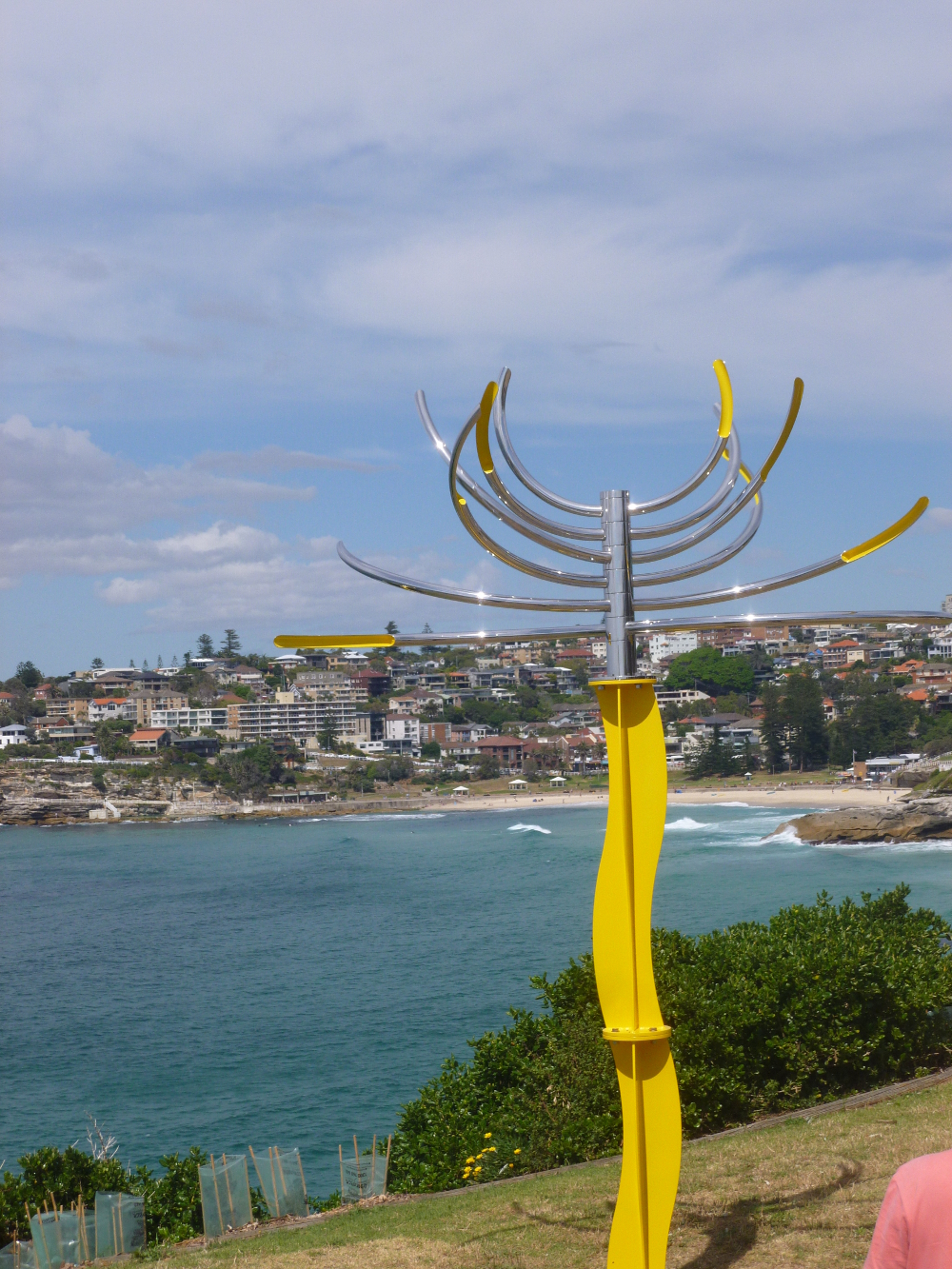
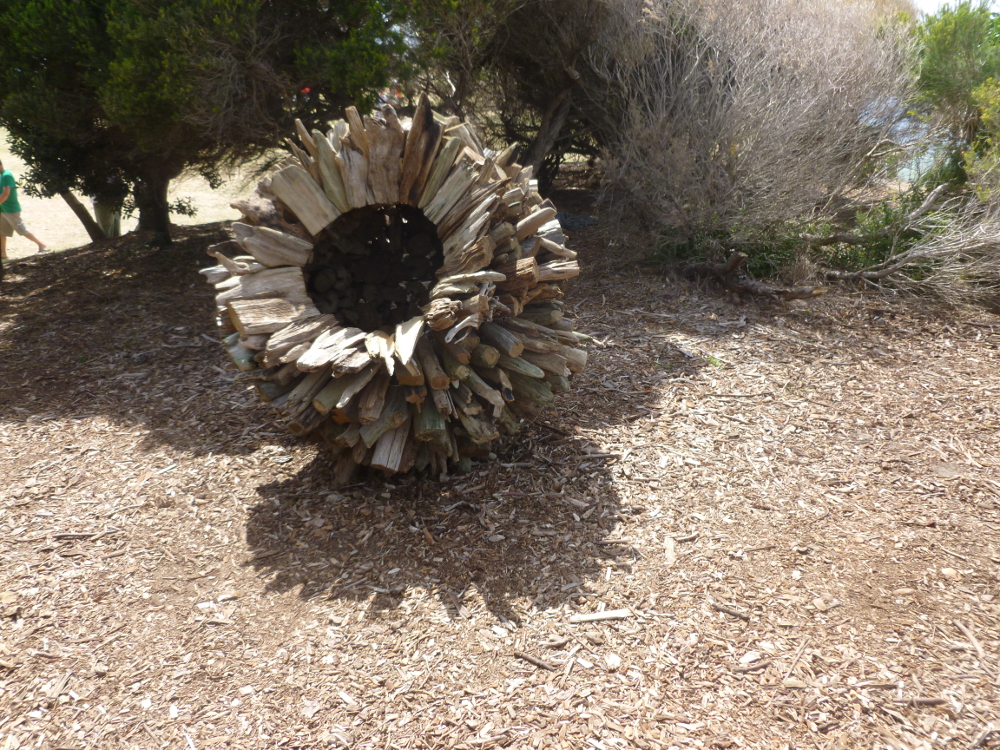
And here it is a life sculpture. I like the sense of movement.
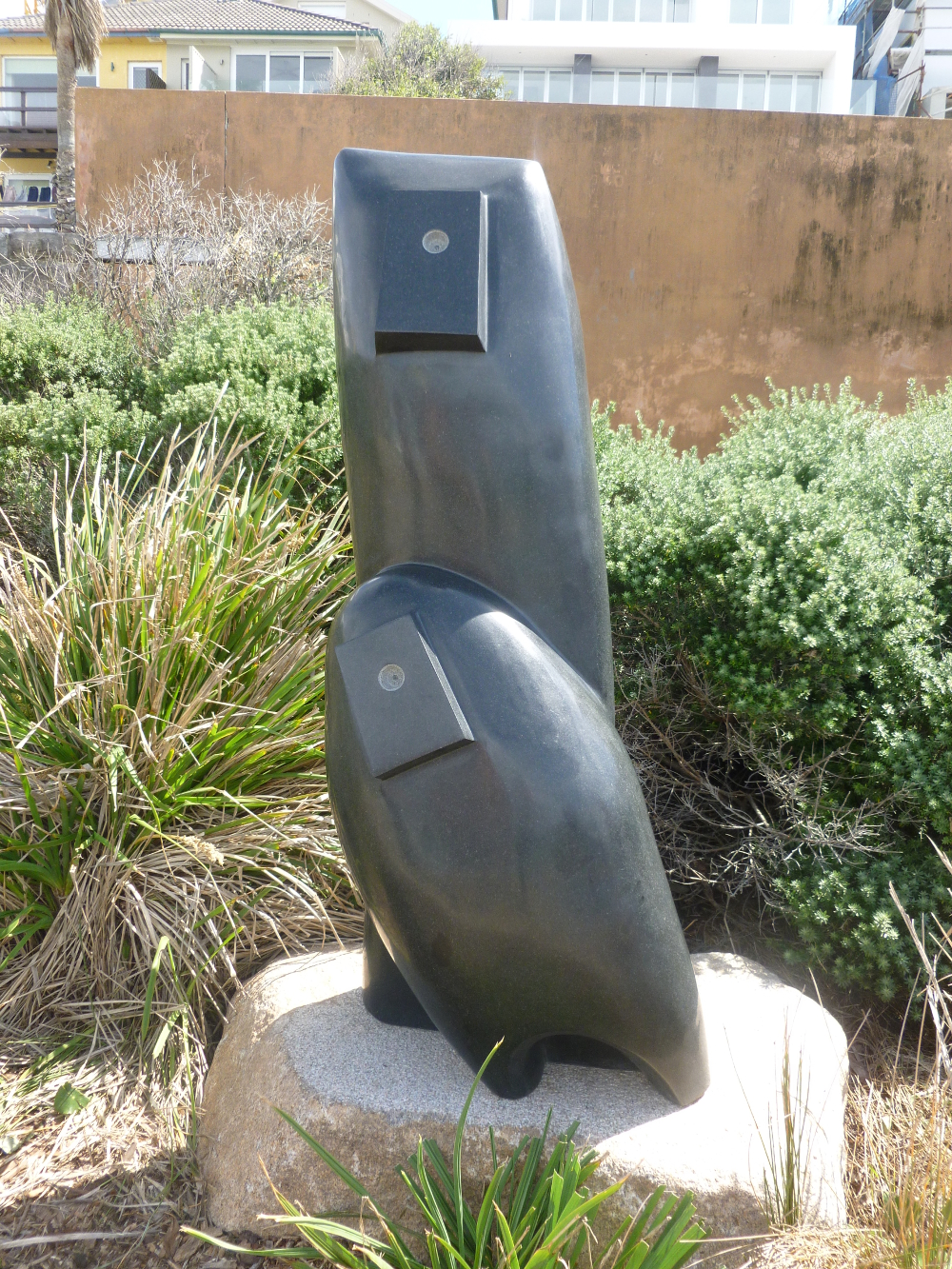
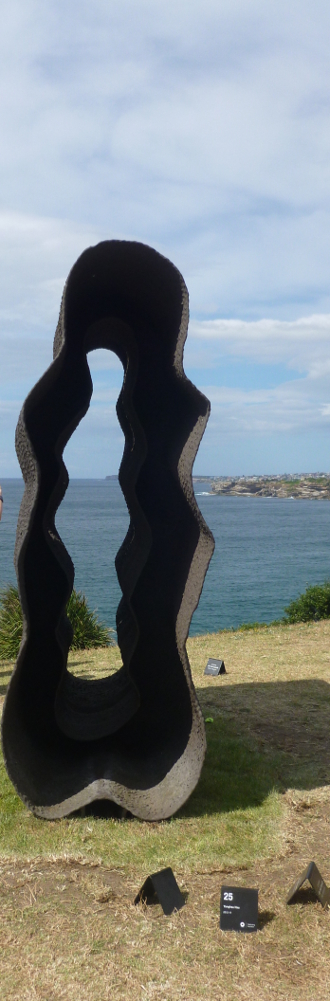
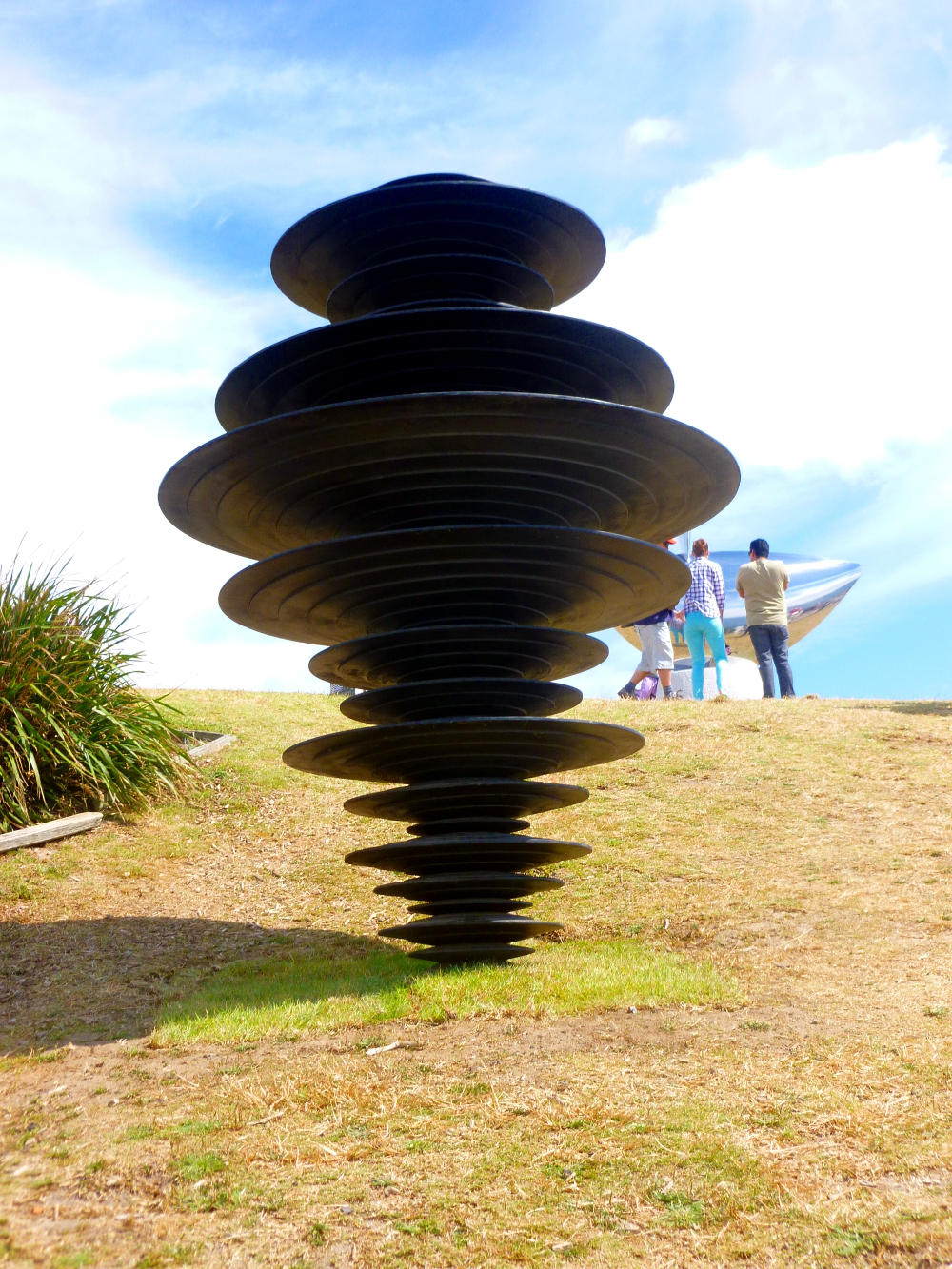
This is granite! How did the artist do it? I have no idea.
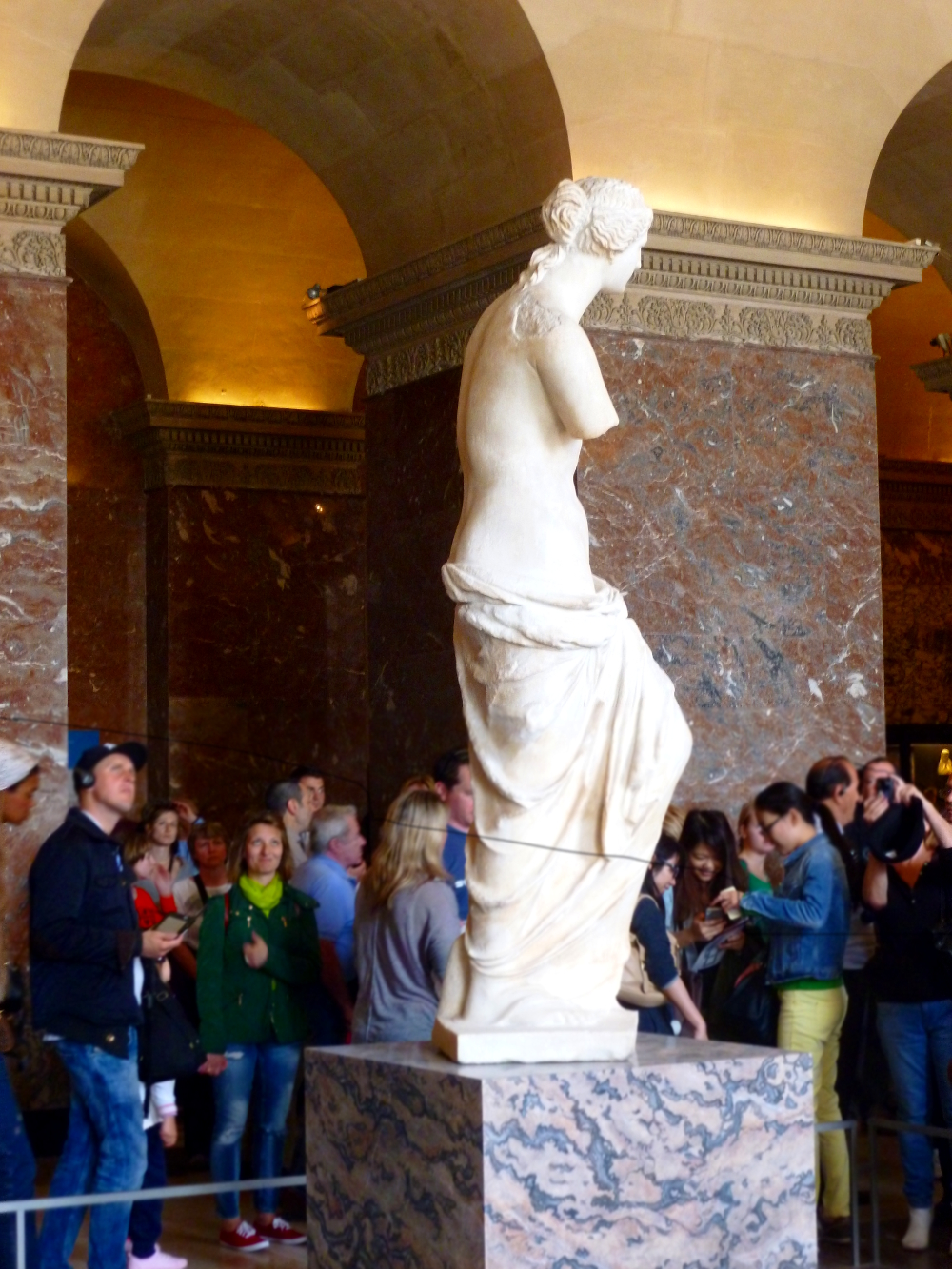
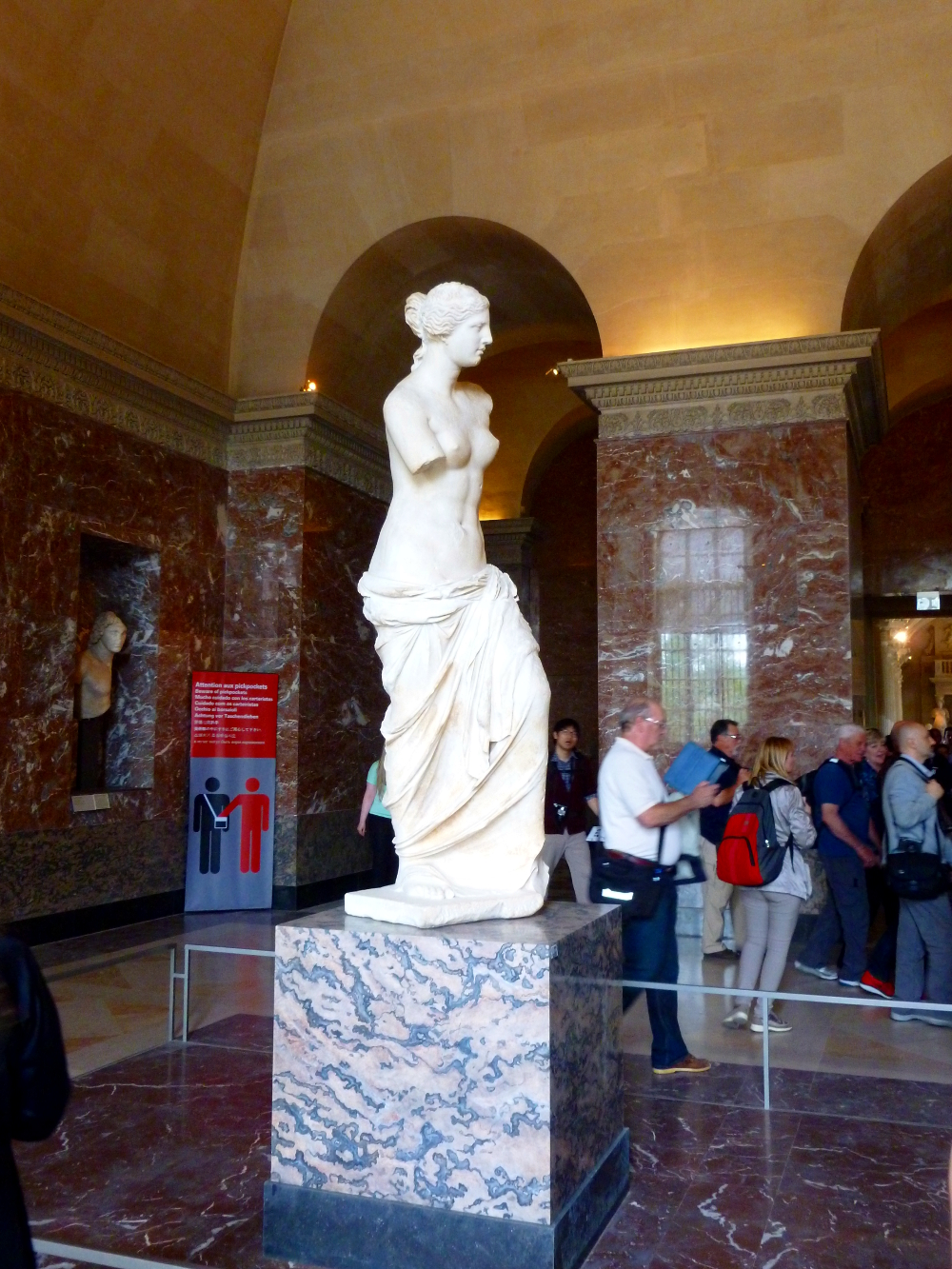
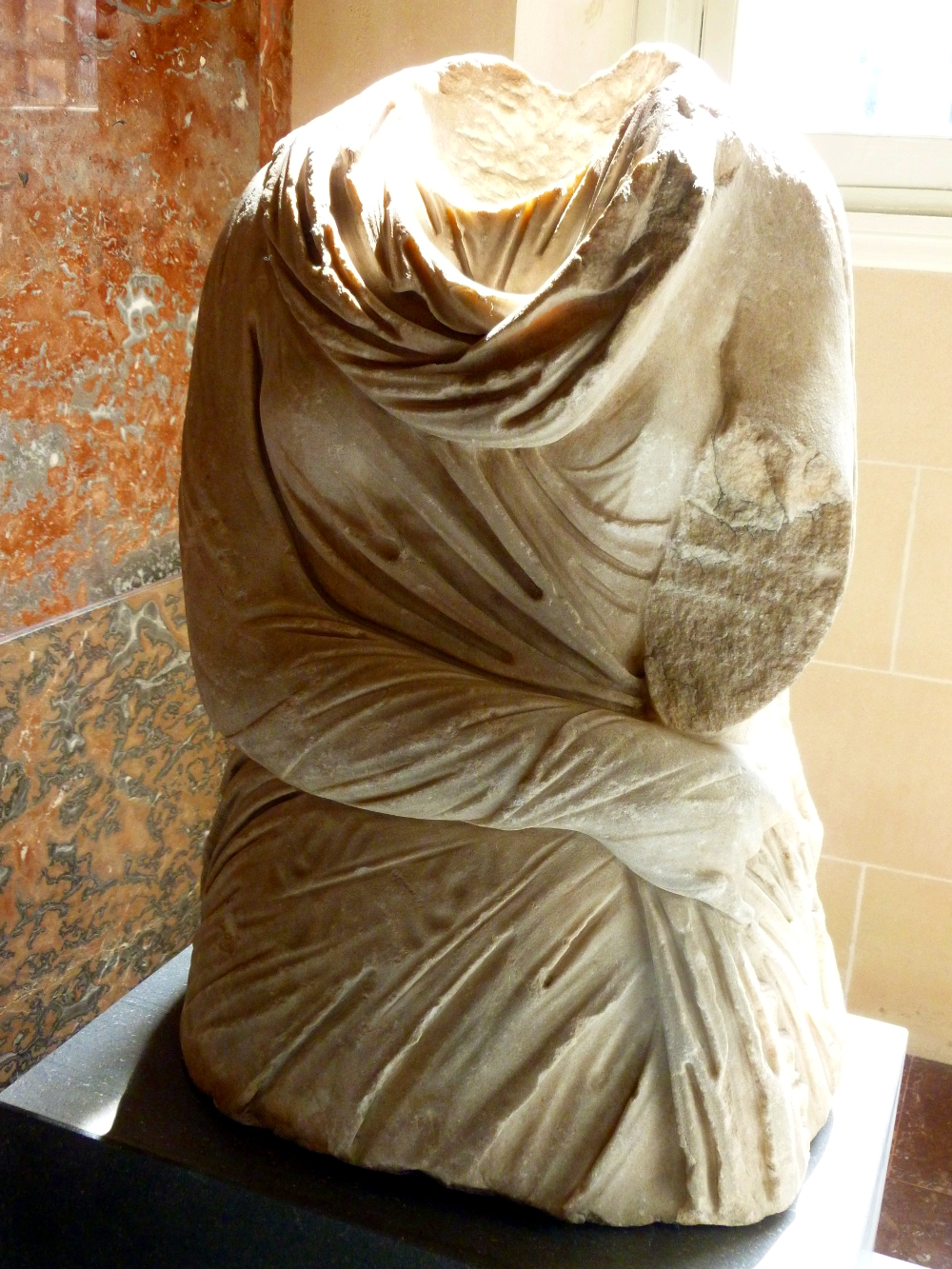
This draped bust, displayed near the Venus de Milo, was sculpted around the same time (first century BC). The bust was adapted to a lower block that was carved apart, and which included the pelvis and sculptured legs. (I think… relying on Google translation.)
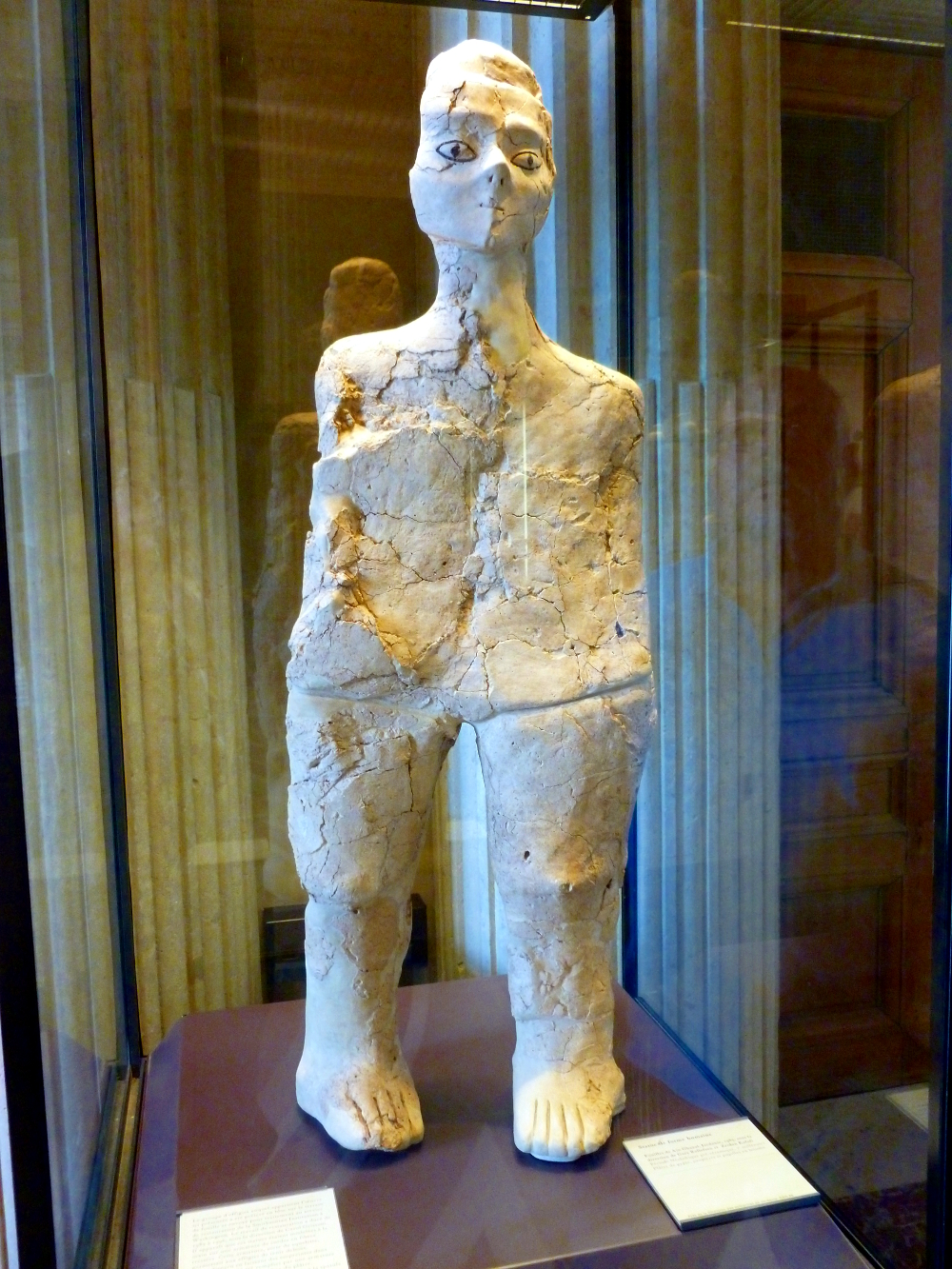
This next one is amazing. Here is what the info sheet said (emphasis mine):
Discovered at Ain Ghazal during the joint Jordanian-American archaeological excavations carried out in 1985 and subsequently restored in Washington at the Smithsonian Institution Conservation Analytical Laboratory from 1985 to 1996, the statue has been loaned to the Louvre for a period of 30 years. At 9,000 years old, this is the oldest work presented at the Louvre.
Ain Ghazal (the “gazelles’ spring“) was founded in the eighth millennium BC and prospered for 2,000 years.
The statue belongs to what is known as the pre-Pottery Neolithic Period, a Neolithic culture which existed during the seventh millennium BC throughout the whole Fertile Crescent. Structures dating from this period were produced using plaster obtained through the calcification of the local gypsum, with the aid of primitive pyrotechnics.
New practices emerge from new ways of thinking: skulls from certain bodies — possibly those of local leaders — were preserved separately and modelled with an outer layer of plaster or clay, which seems to suggest the existence of some form of ancestor worship. Almost 30 plaster statues, including this one, were discovered in shallow ditches at Ain Ghazal. These take the form of standing figures or busts, which can be either single or double headed.
All of these effigies were designed to stand upright vertically. They were buried in small groups, on several occasions.
We do not know their meaning, with their purpose probably being an imaginary or ritualistic one, although we can assume that they were intended to encourage the cohesion of the community.
The Ain Ghazal statue is presented at the Louvre thanks to an agreement with the Department of Antiquities of Jordan. this is the first time that a work belonging to a Middle Eastern country, which retains ownership of the item, has been exhibited along with the Louvre’s permanent collections. In Exchange, the French Museums Department and the Museum of the Louvre have contributed to the restoration and preservation of a monument in Jordan, a limestone and painted stucco sanctuary built during the second century BC and replaced by the Roman temple, which can be seen there today.
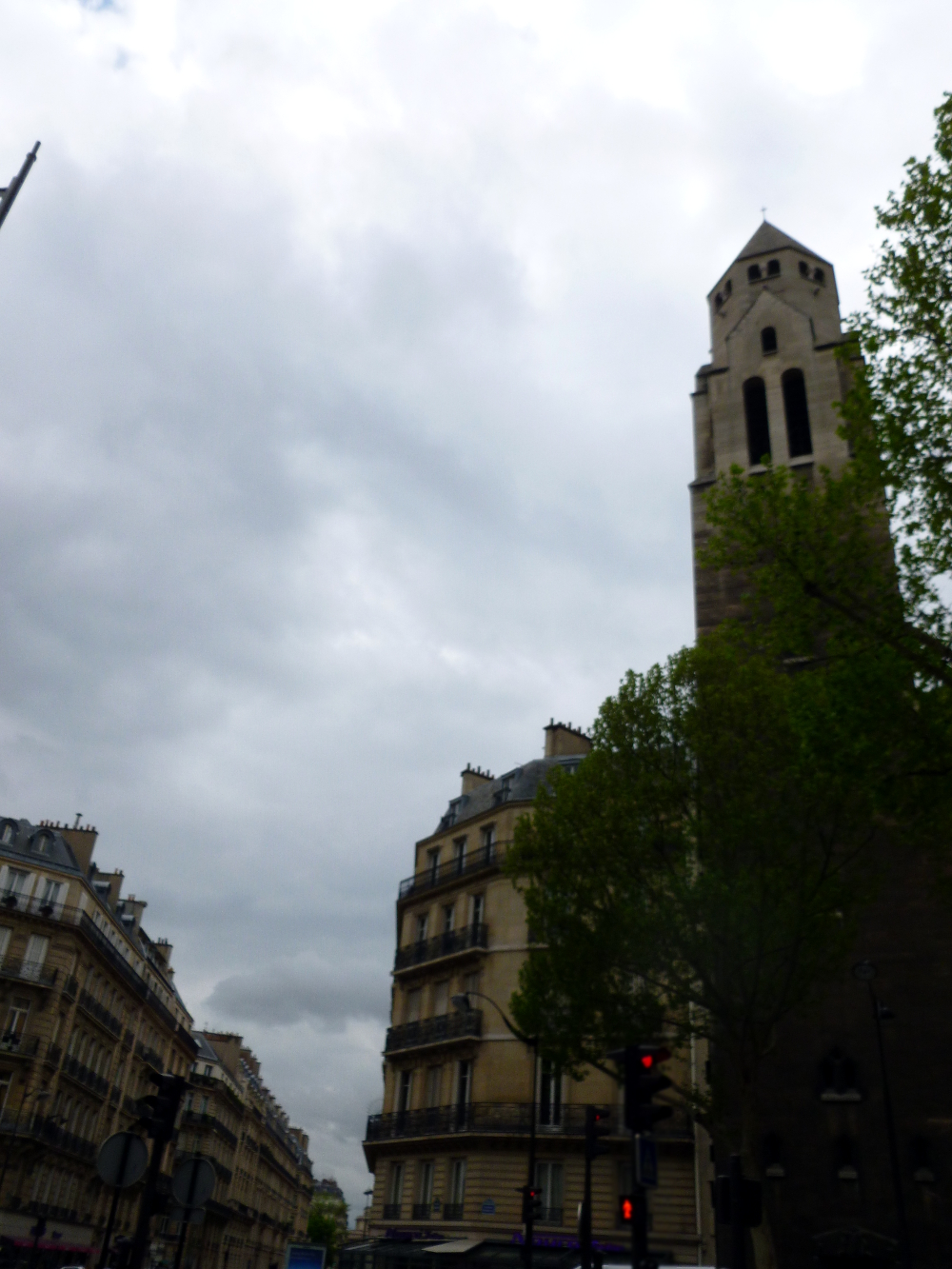
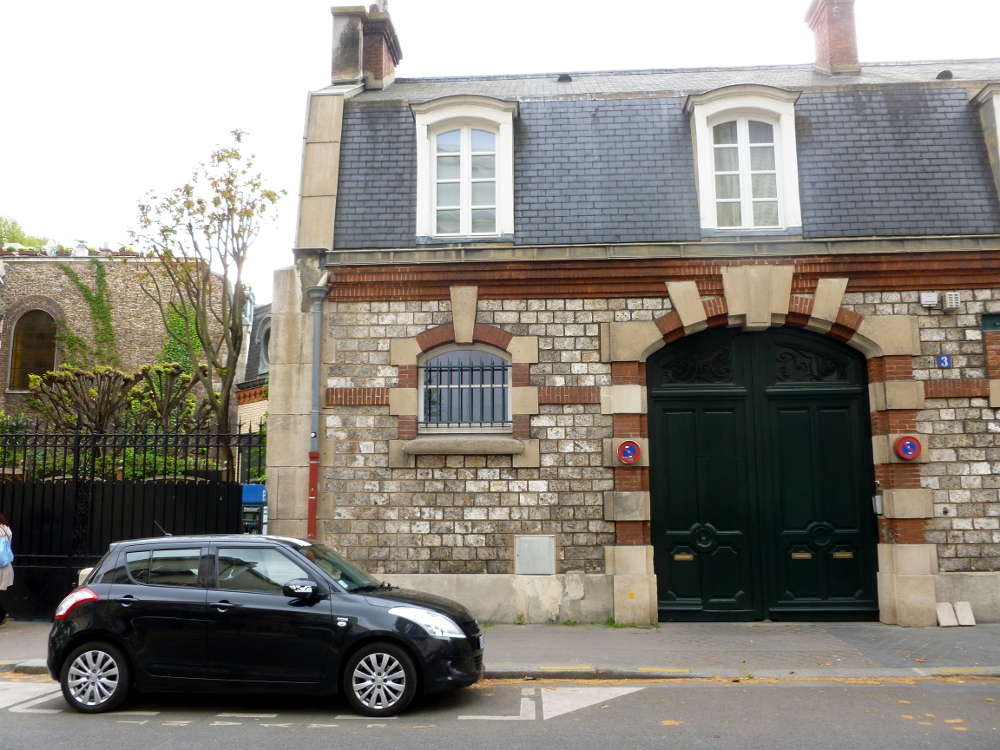
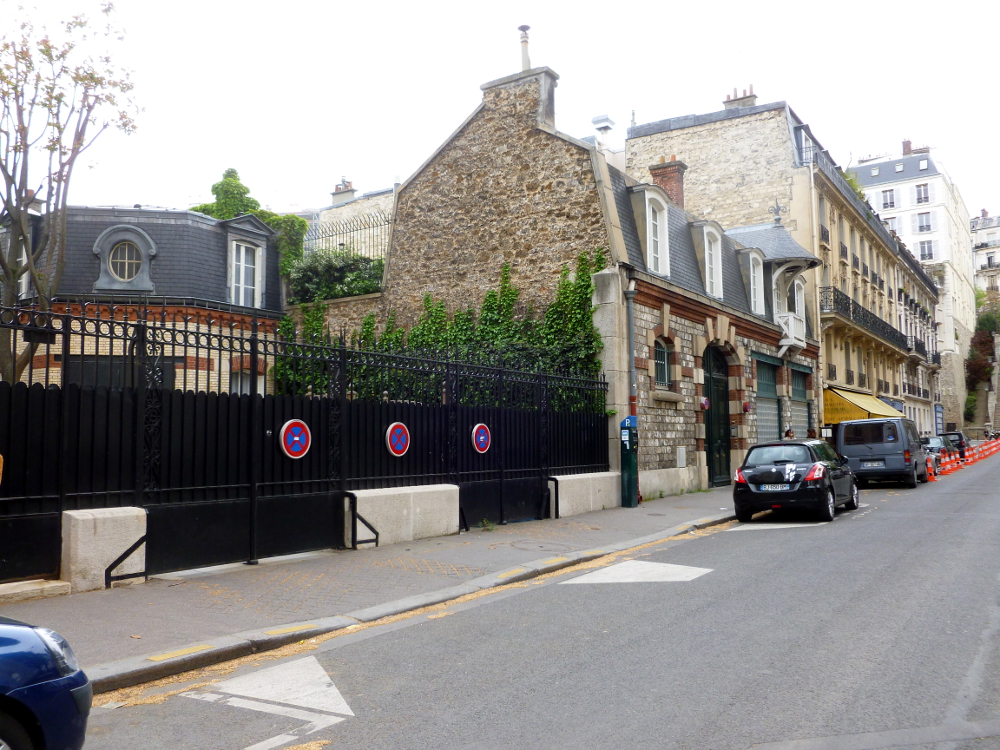
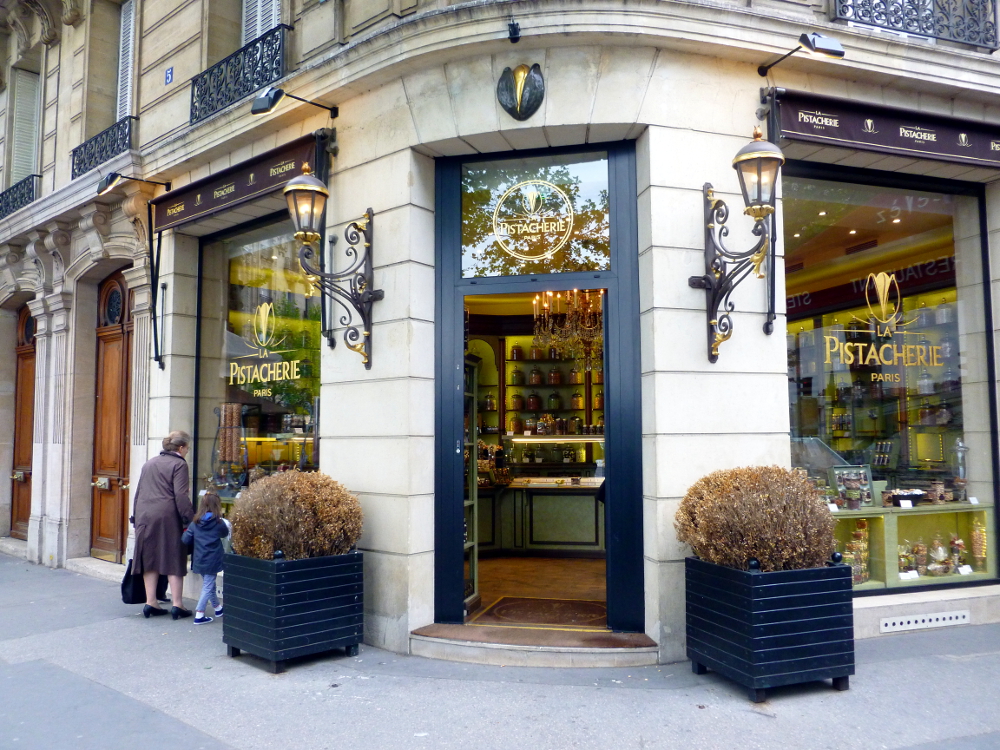
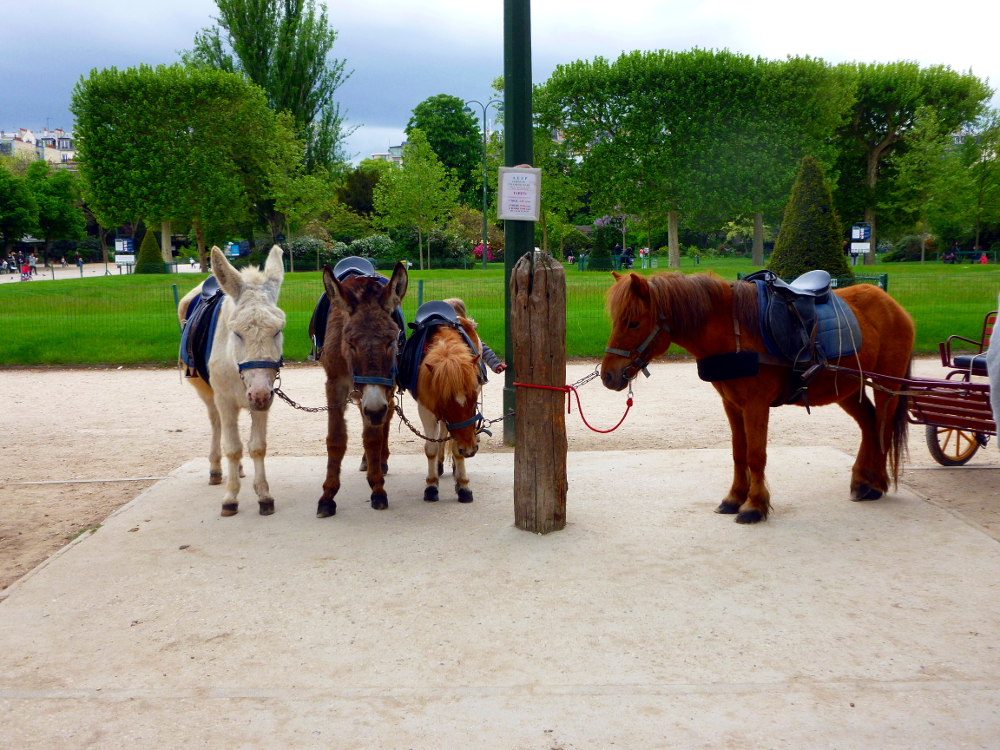
Saint-Pierre de ChaillotSaint-Pierre de ChaillotAcross from Palais JaponaisAcross from Palais JaponaisA store for pistachiosSculpture by Cezanne outside the LouvreSmall horses in Champs de MarsSkyline view from Louvre grounds
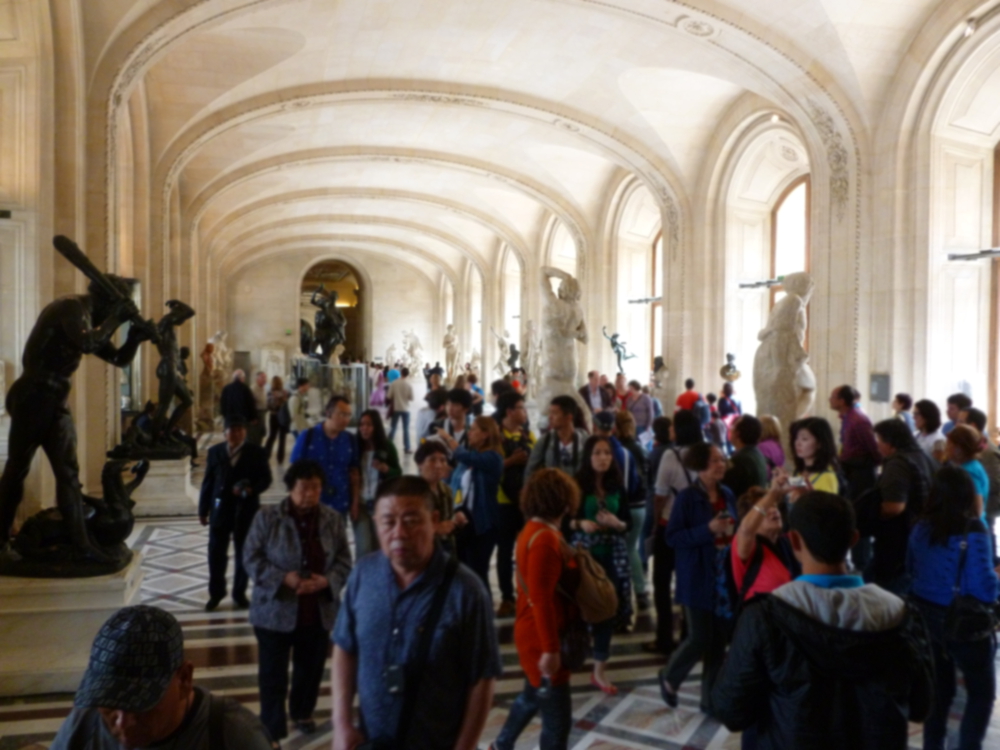
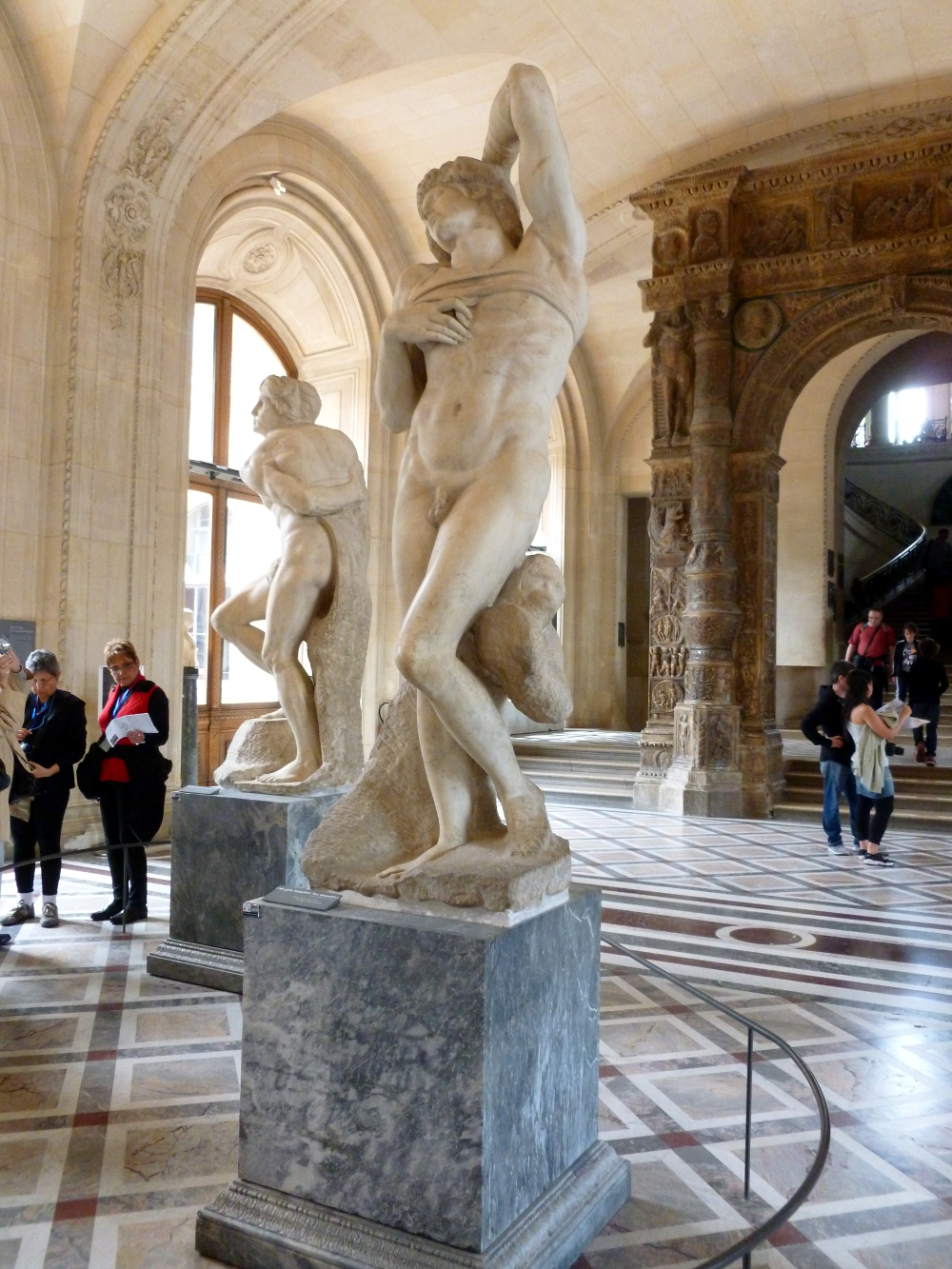
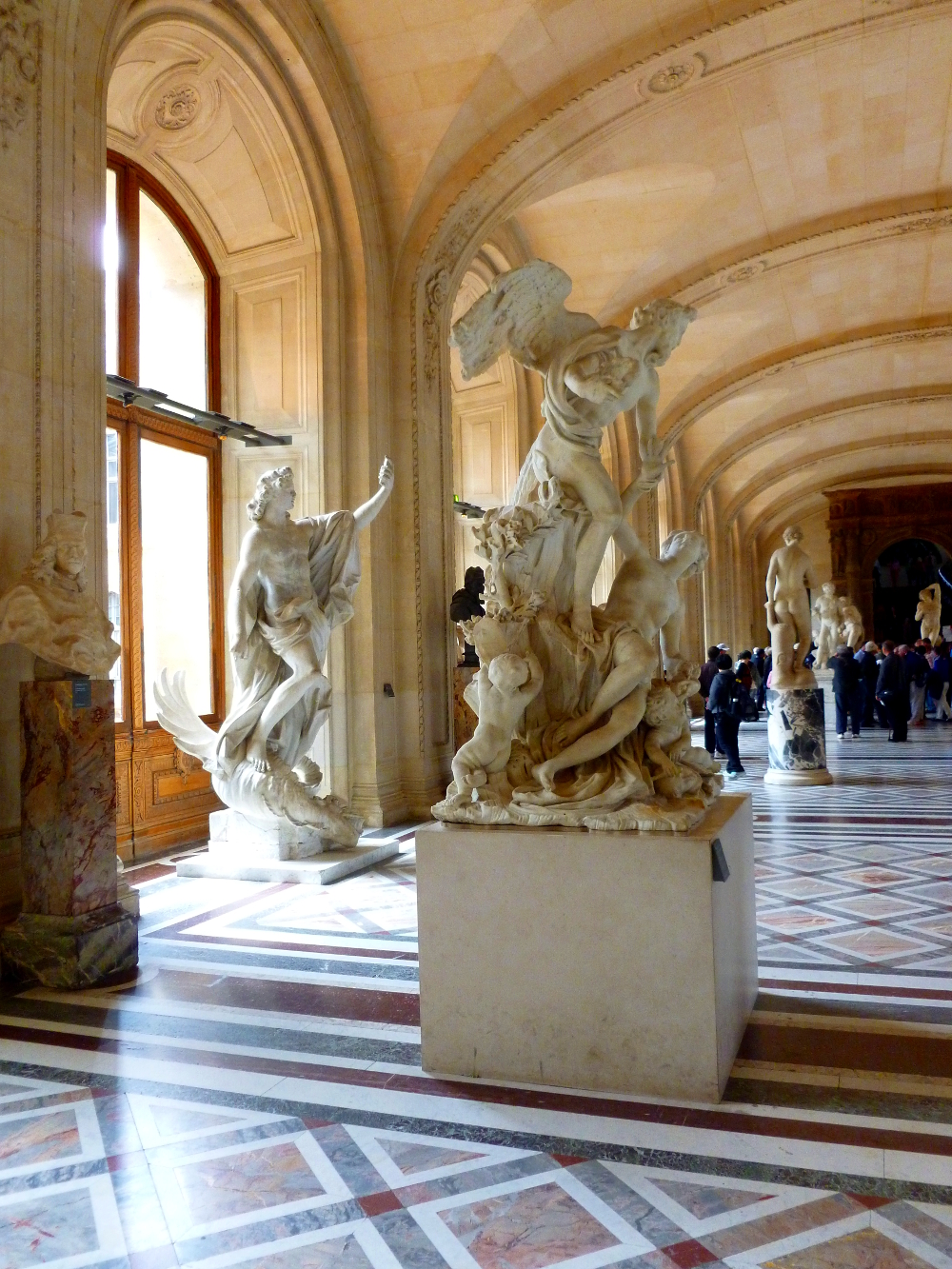
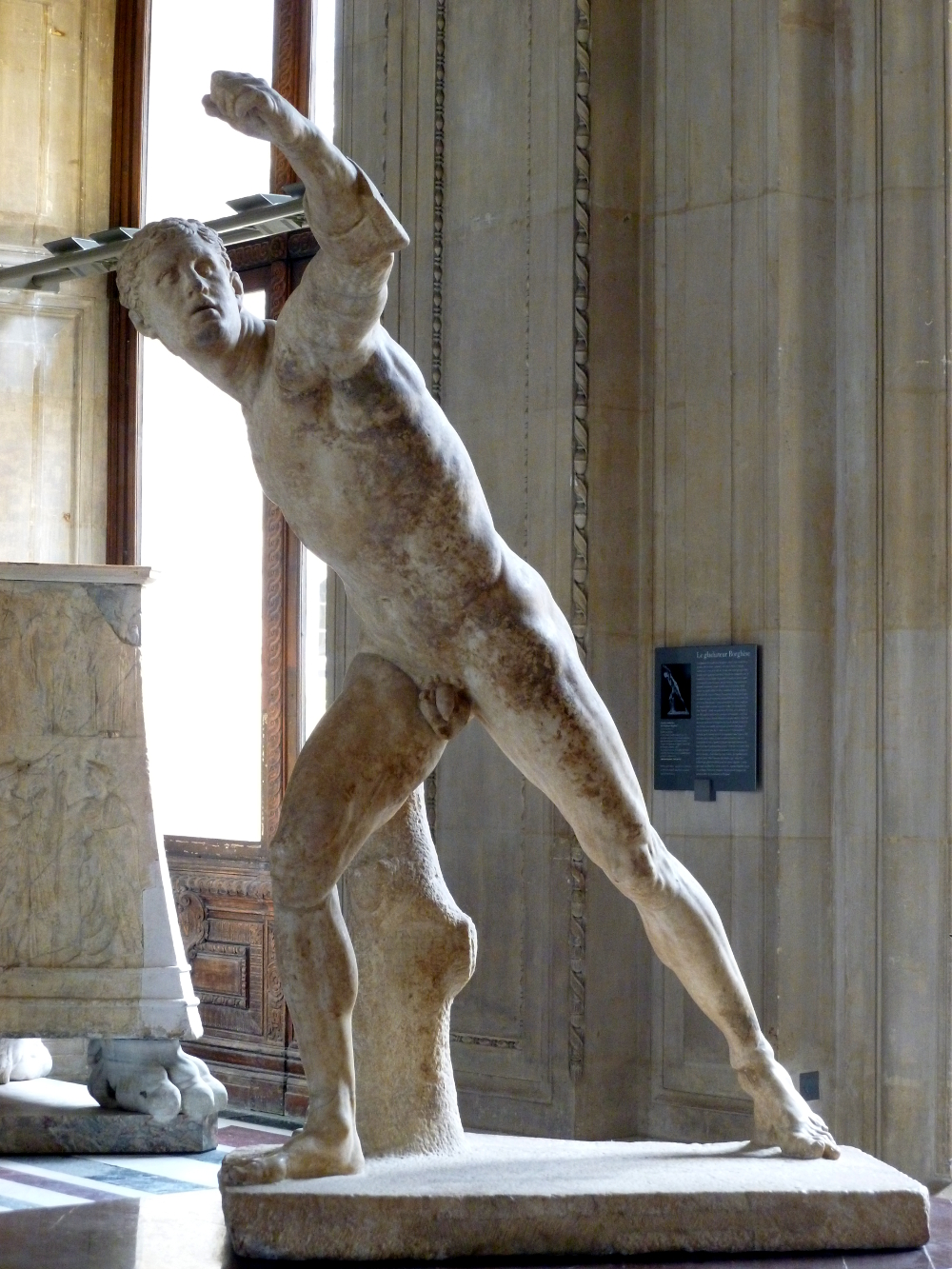
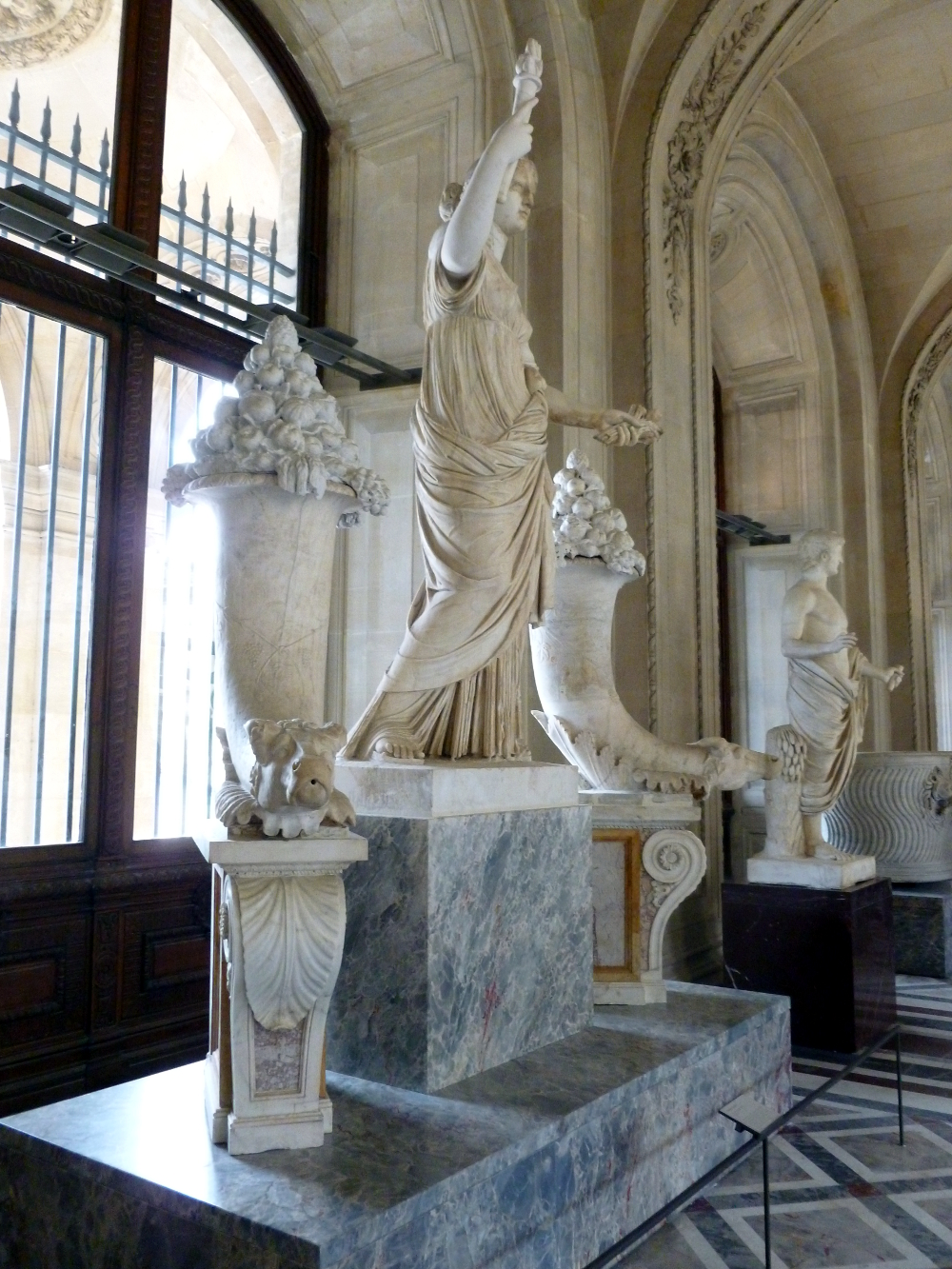
There is a lot of sculpture in the Louvre, in various historical contexts. Then there’s just “The Sculpture Room.” When you walk in, you will be struck by the airy, light-filled space, which is large enough to artfully display many classical sculptures. It is breathtaking and utterly pleasing to the senses. There it is, sculptures you’ve seen throughout your life, in books, all assembled with space enough around them for you to circle them and admire them from every angle, with light flooding in through traditional, palace windows. It is a magnificent display and deeply gratifying to walk into it, to experience the totality first, and then to linger over the descriptions, pause for photos, walk through the giant reproduction of a palace gate and look back across the room again from an elevated position.
It was crowded at first but then it cleared out a lot and you could get a less observer-cluttered feel for the room.
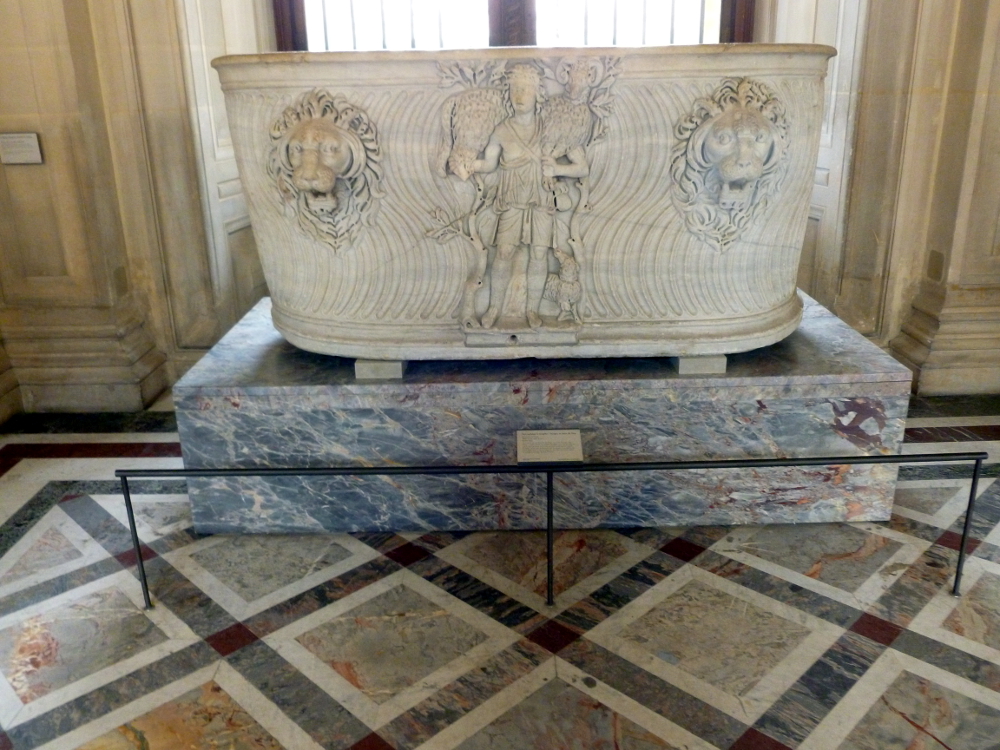
We thought this was a bathtub, but it’s a sarcophagus.
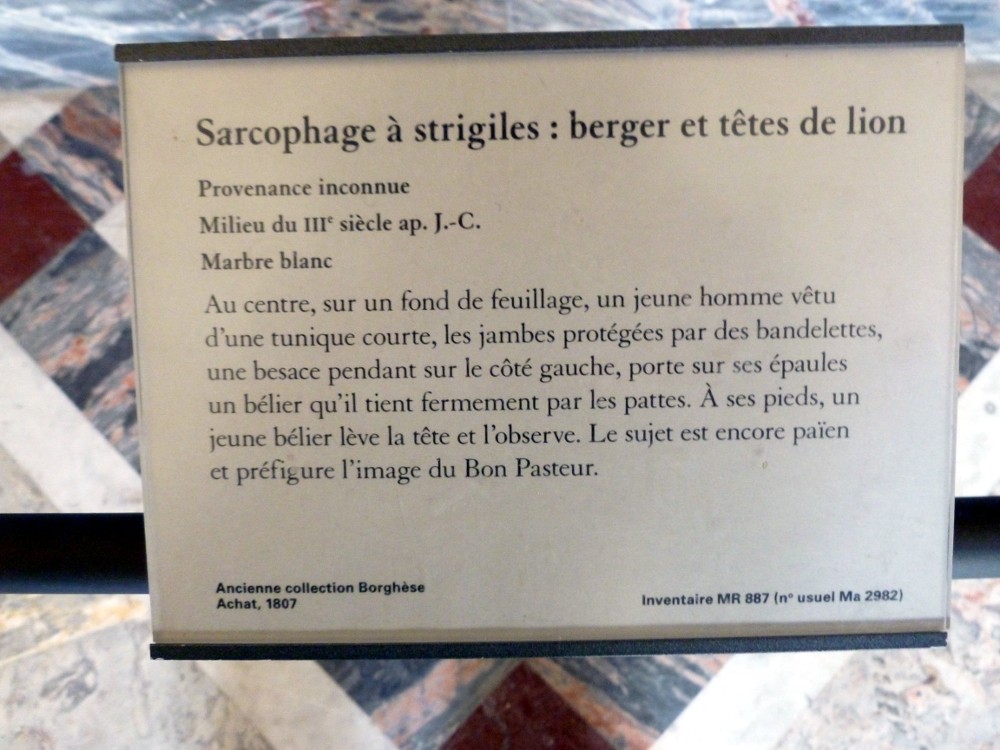
Unlike the Dutch, the French don’t translate the art descriptions into English. This says something like: Sarcophagus of something something and heads of a lion. Around 3rd Century A.D. White marble. In the center, on something, a young man something, his arms protected by something, and so on.
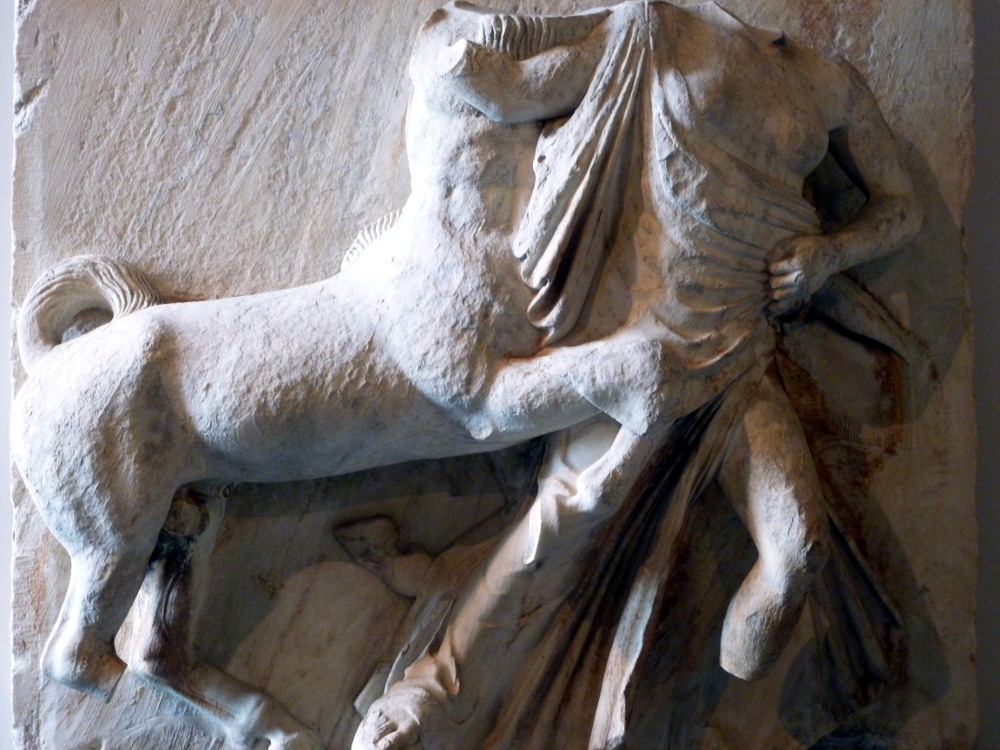
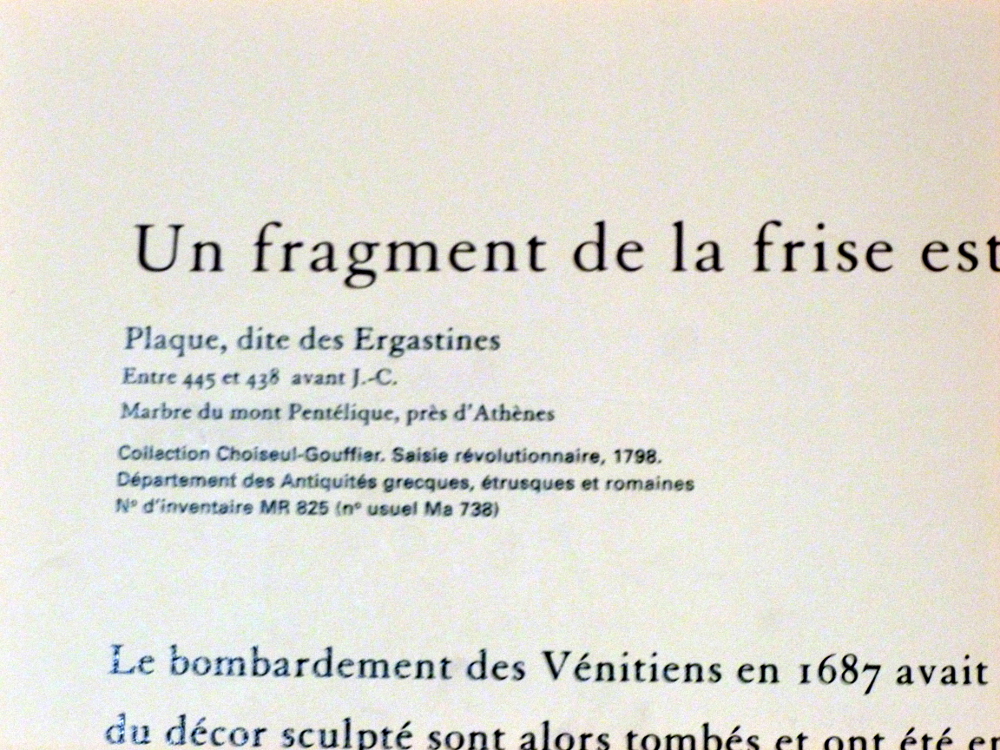
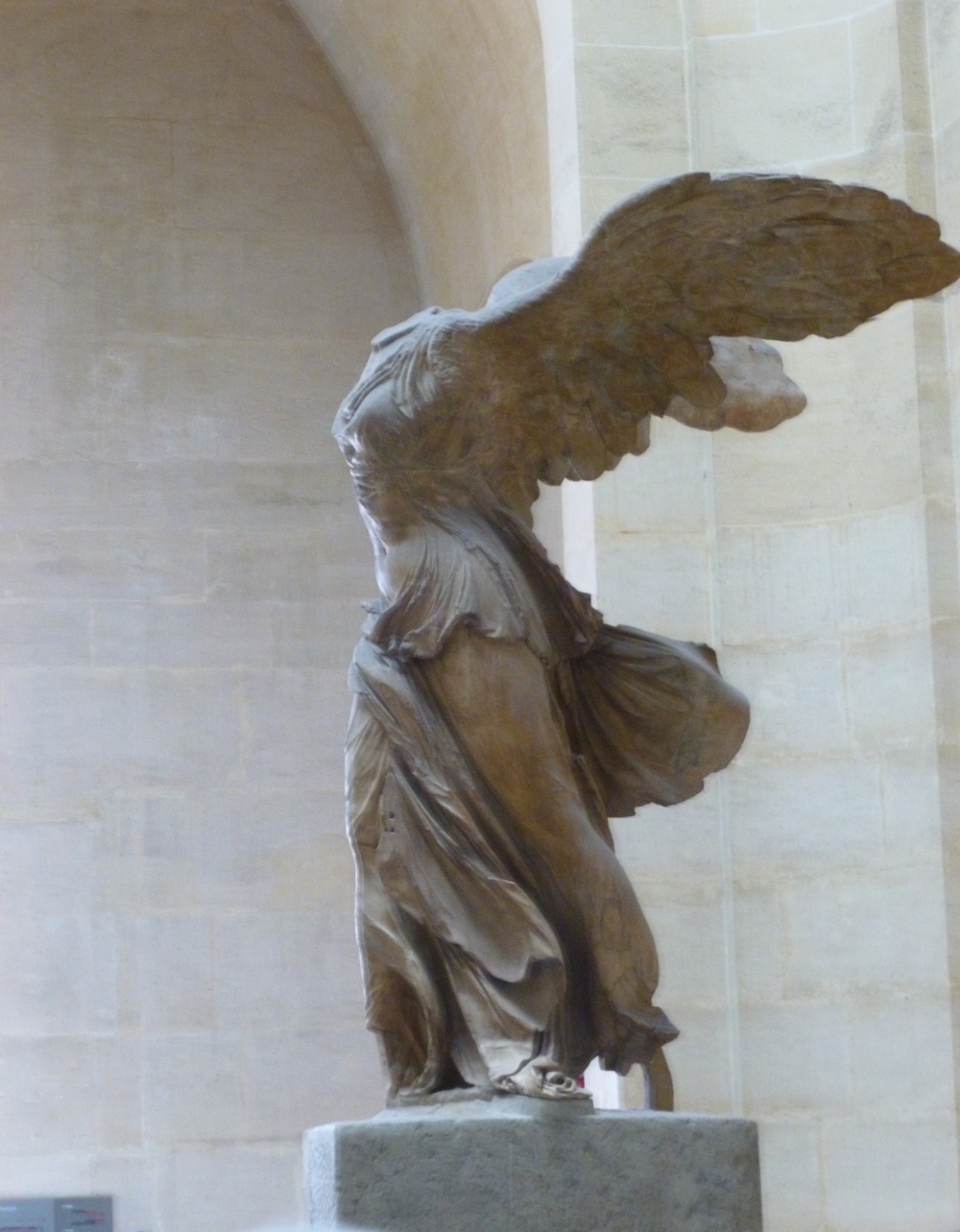
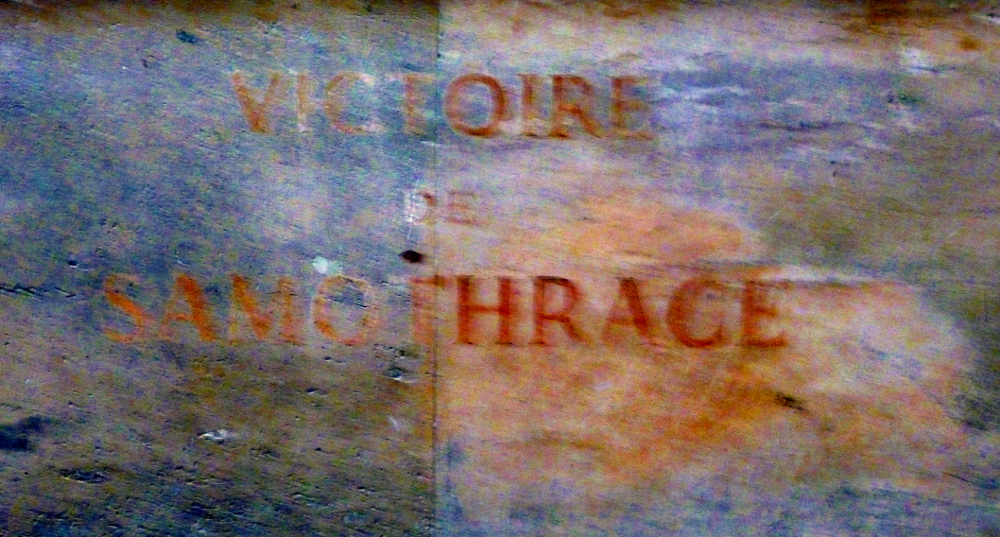
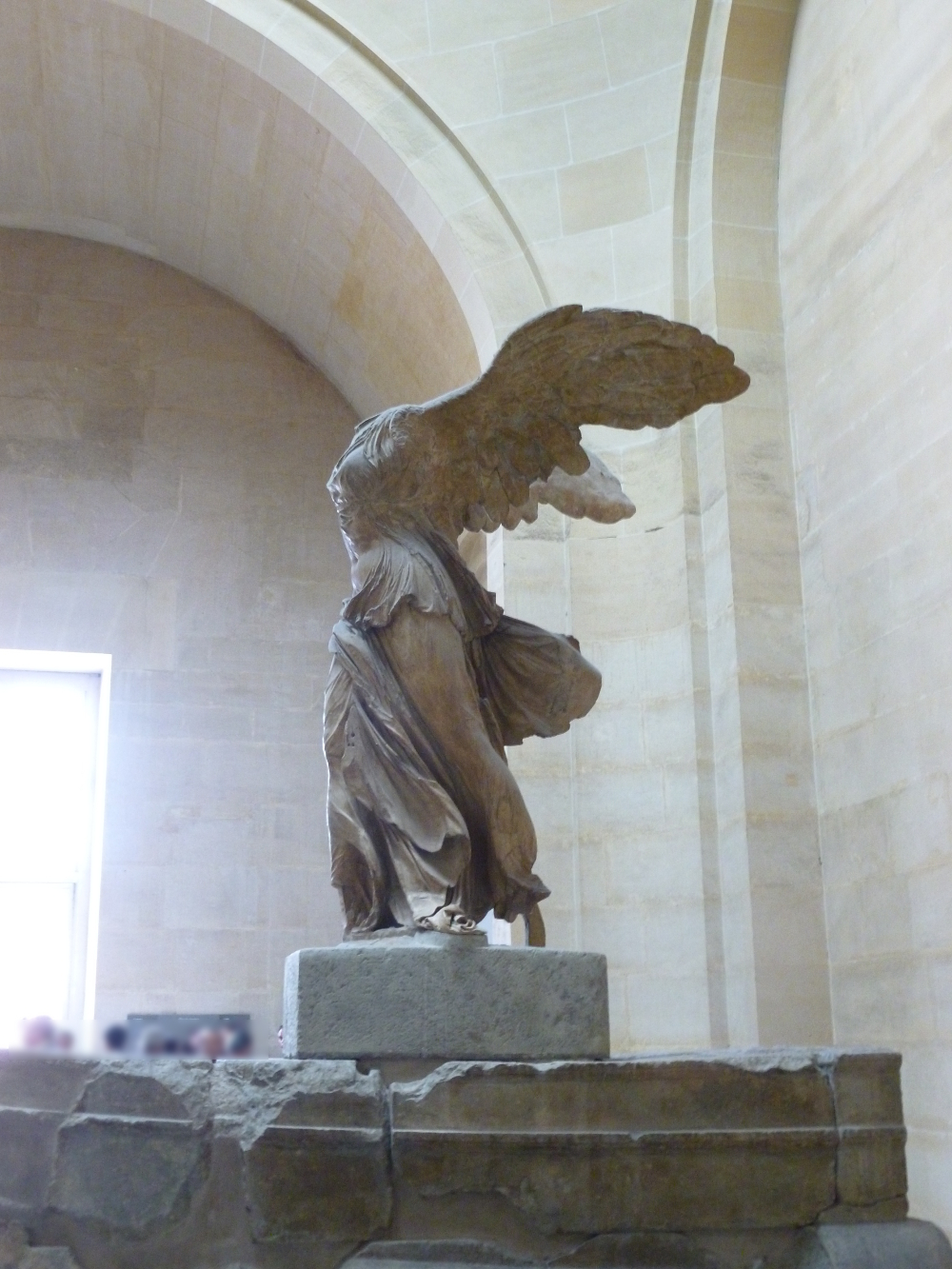
Here the translation is easy. It’s a fragment of a frieze. The depiction of powerful movement, the draping fabric, and the effect of relief against that wall of a frieze, I found beautiful. Avant means before, so this is 445 B.C. Remember The Victory of Samothrace, with its flowing gown and powerful motion, typifies Hellenistic art (300 – 100 or so, BC). I just noticed in trying to translate the sign below that this frieze shows the beginning of that artistic exploration.
Another frieze. Looks a bit older, going by the above information. Just starting to depict fabric and movement.
The sculpture room after it has cleared out a bit.
This marble sculpture of a figure depicts the goddess, Nike, on the prow of a ship. It stands on a staircase landing in the Louvre, beneath a skylight. The flowing drapery exemplifies one of the key distinguishing features of Hellenistic Art (early second century B.C. (190 – 200 B.C.)).
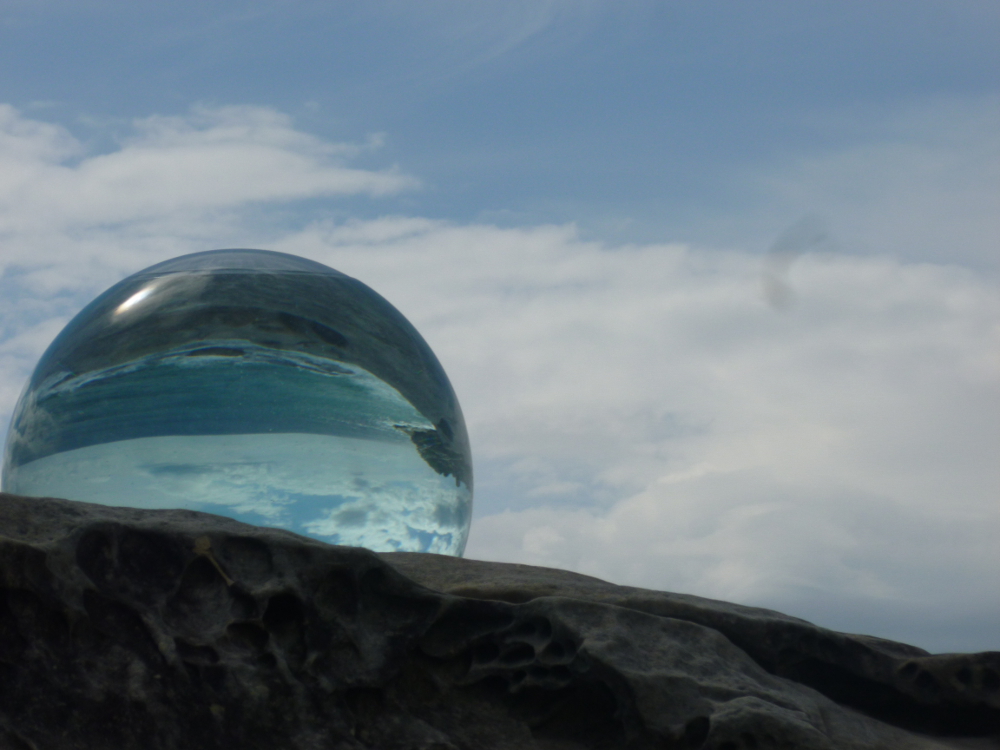
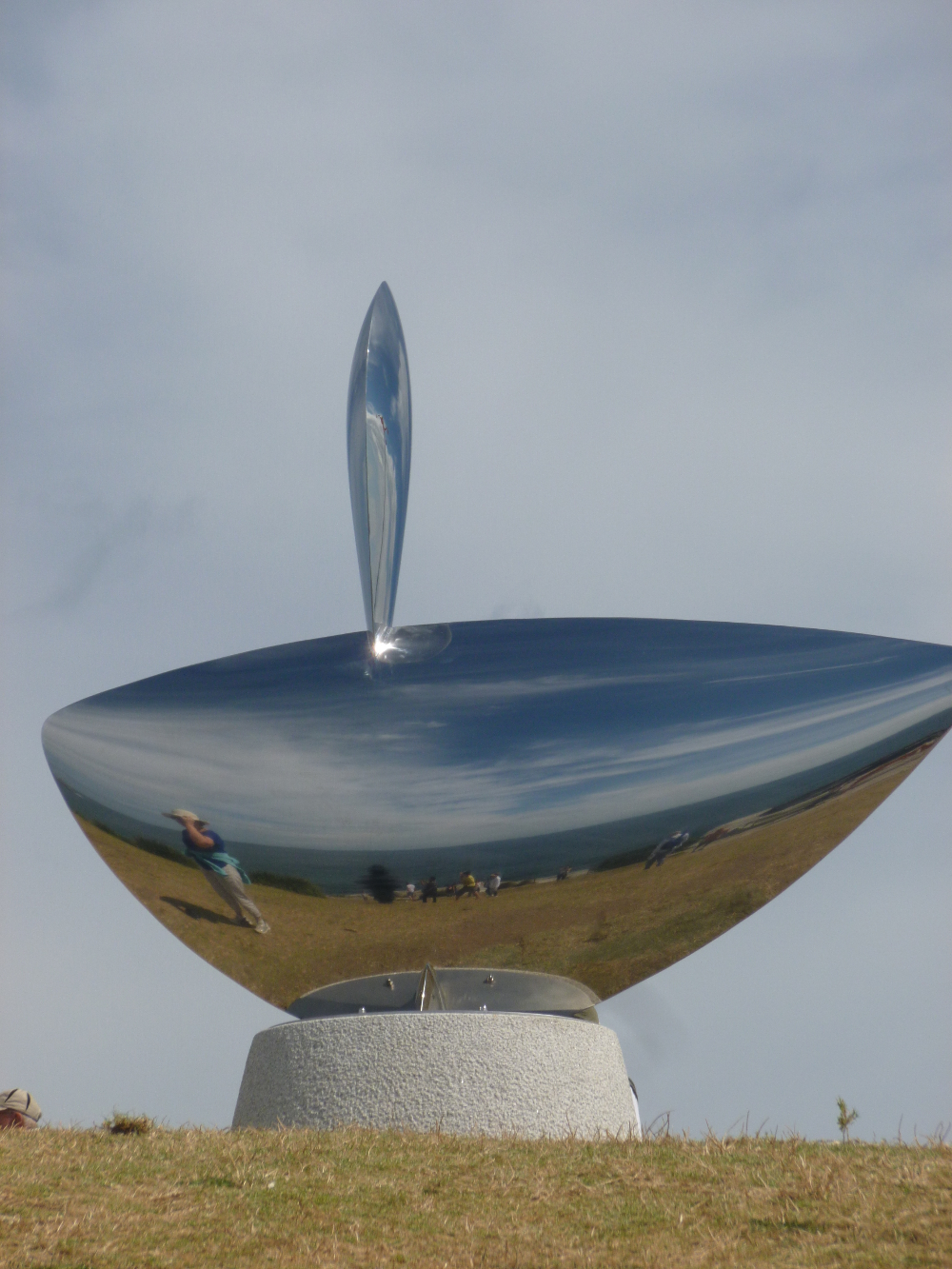
For email followers who don’t see the feature image in their email, here it is:




















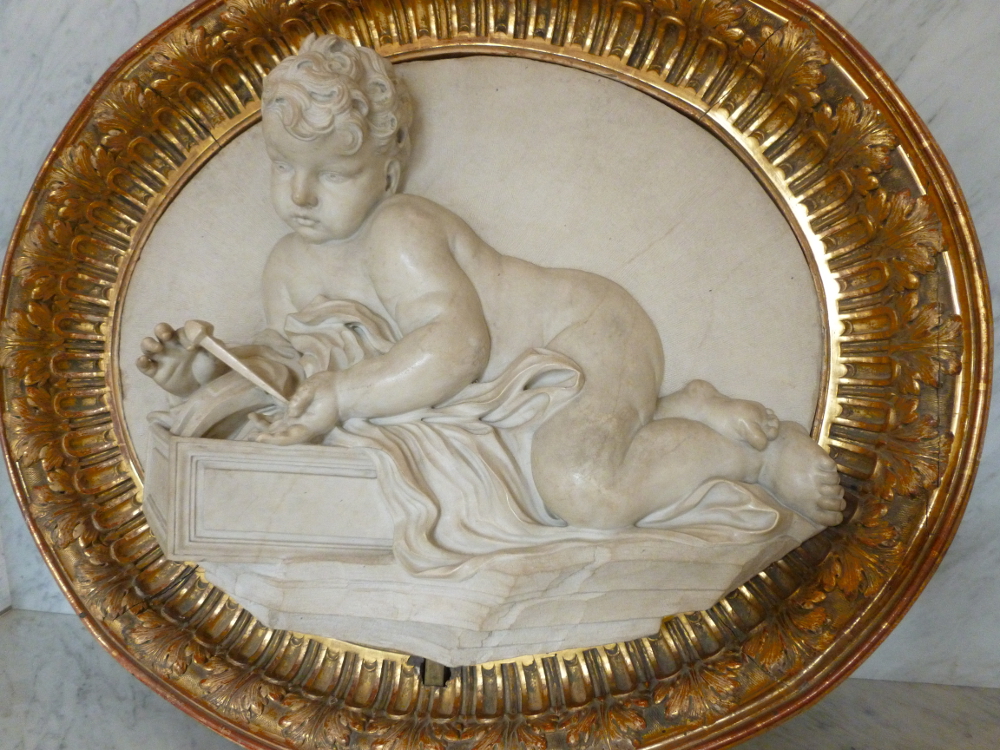
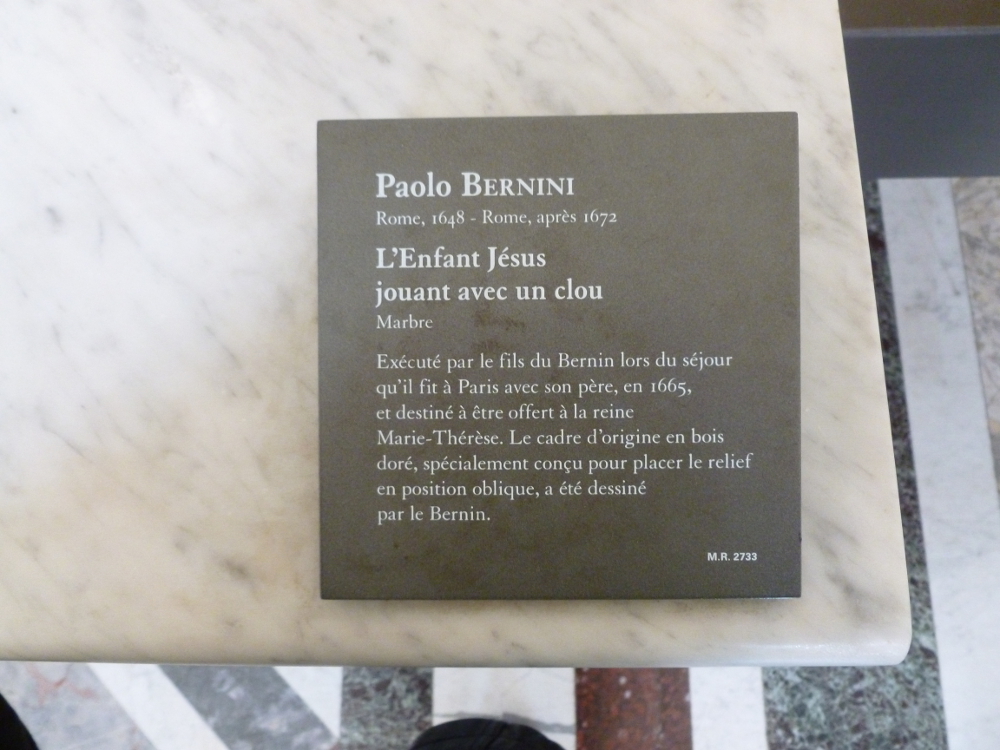



 Nicci Carrera