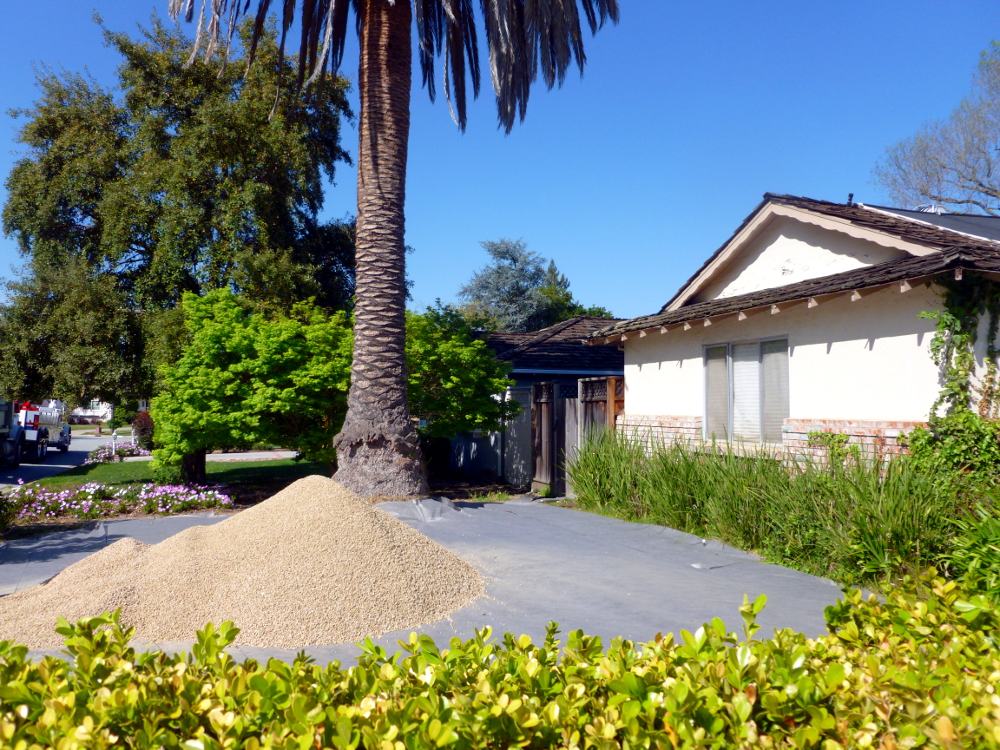
Big truck! Good:
Broken truck. Bad:
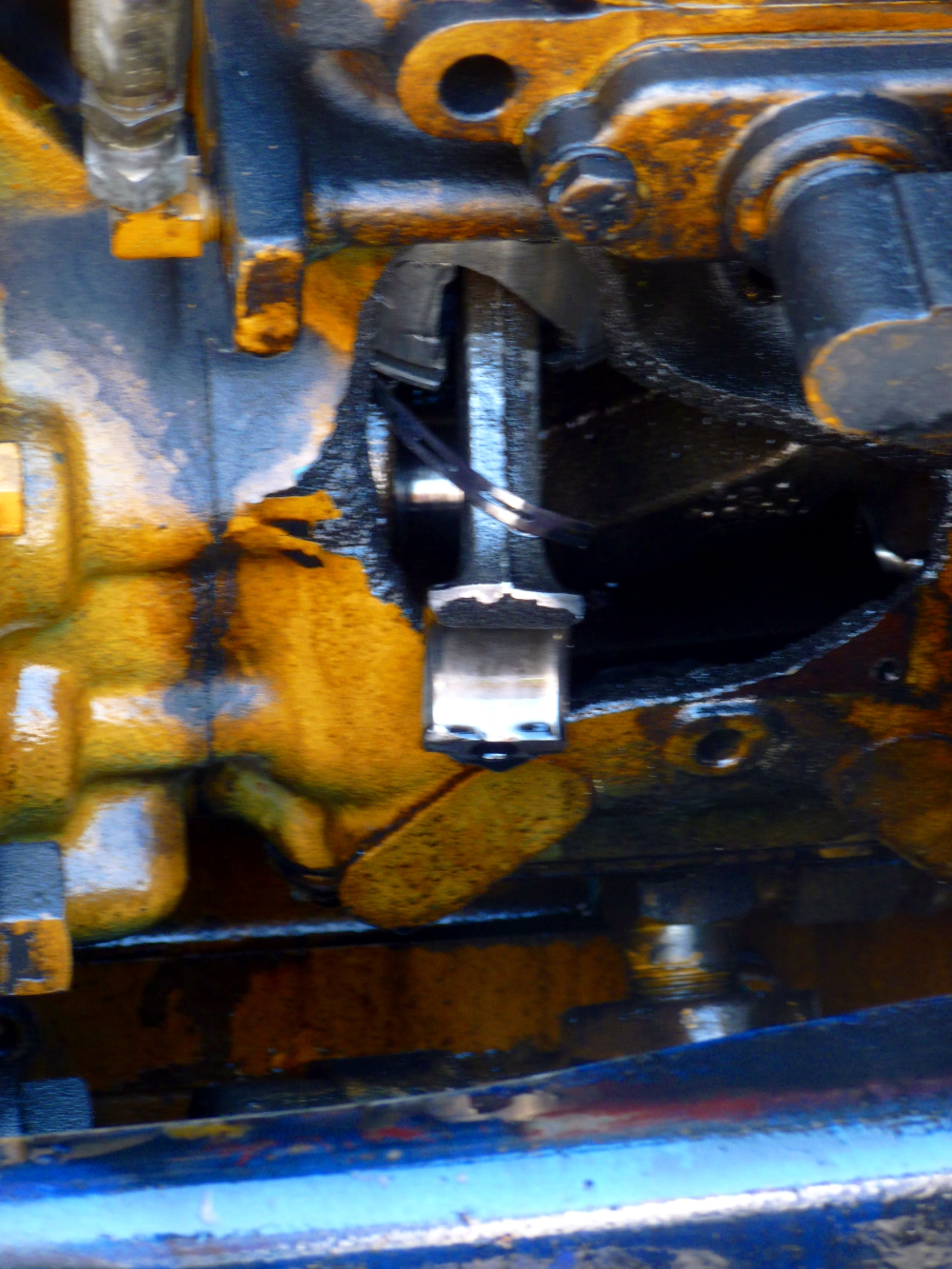
Truck is here to stay? Very bad:
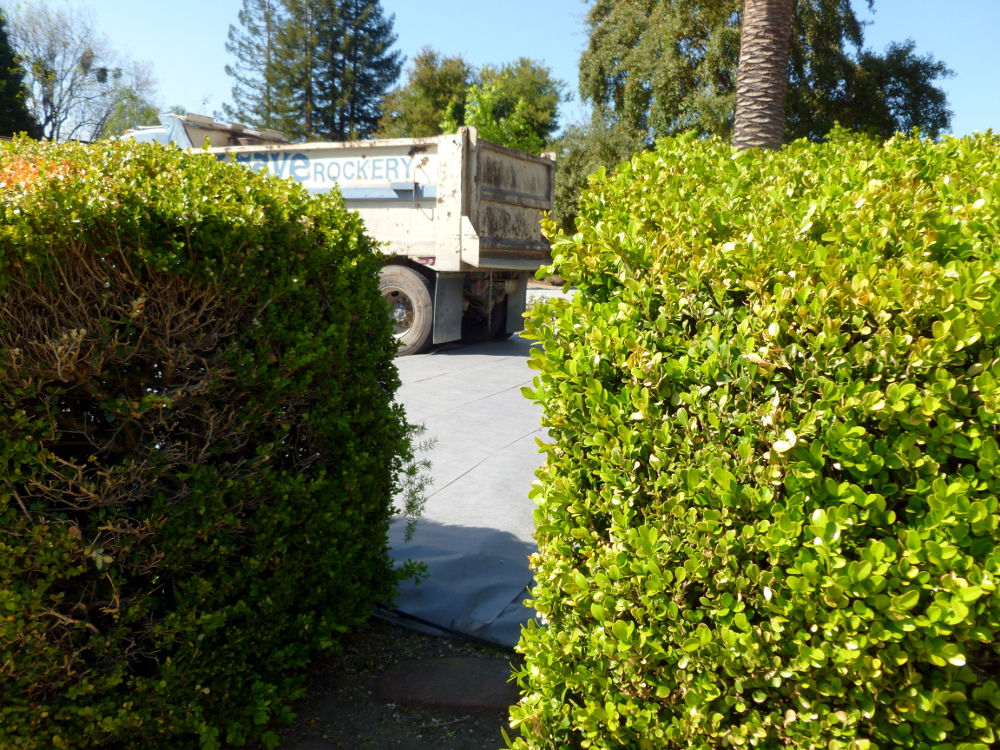
Bigger truck! Good:
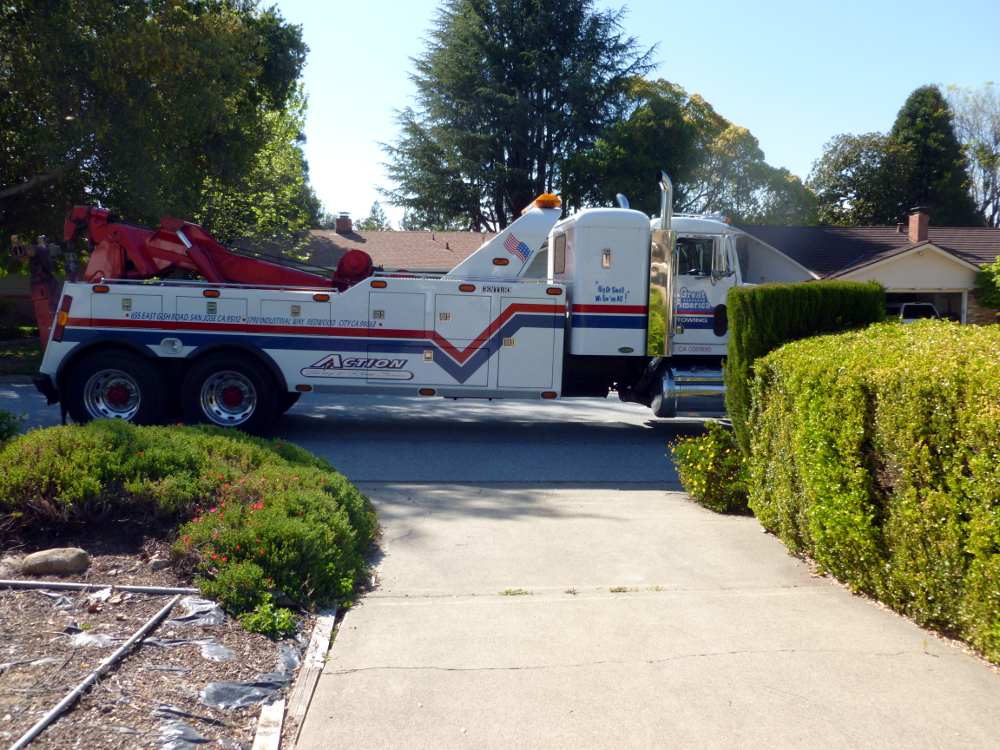
Bye bye big trucks:
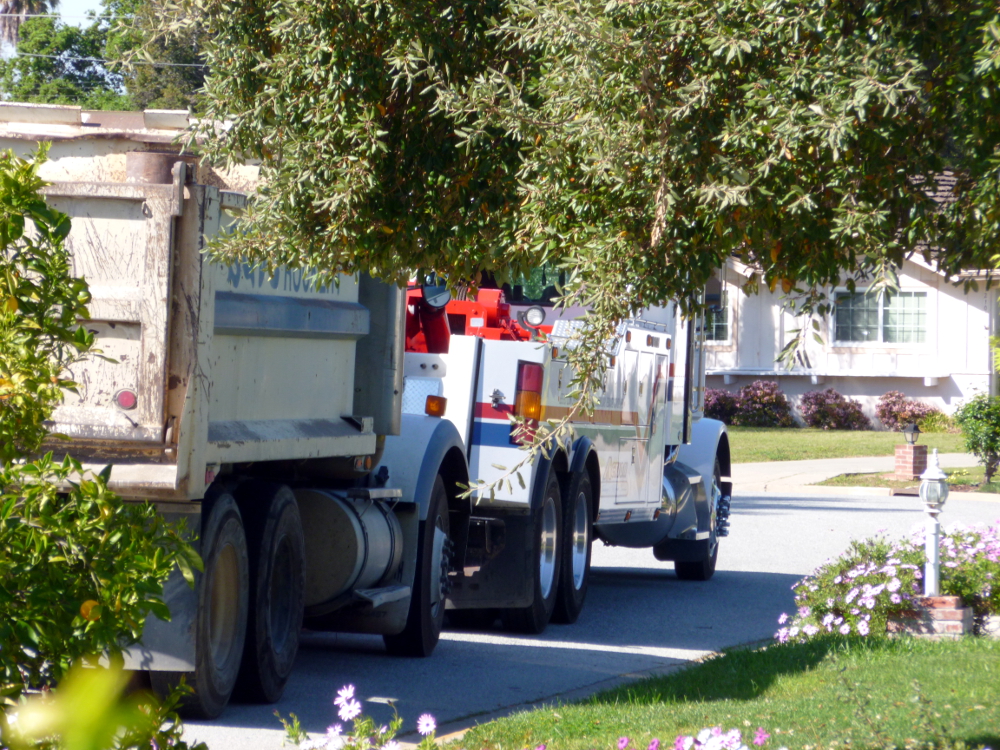
Glad we don’t have to pay for the tow.
Big truck! Good:
Broken truck. Bad:
Truck is here to stay? Very bad:
Bigger truck! Good:
Bye bye big trucks:
Glad we don’t have to pay for the tow.
The next photo is out of focus, but included for comparison to the featured photo.
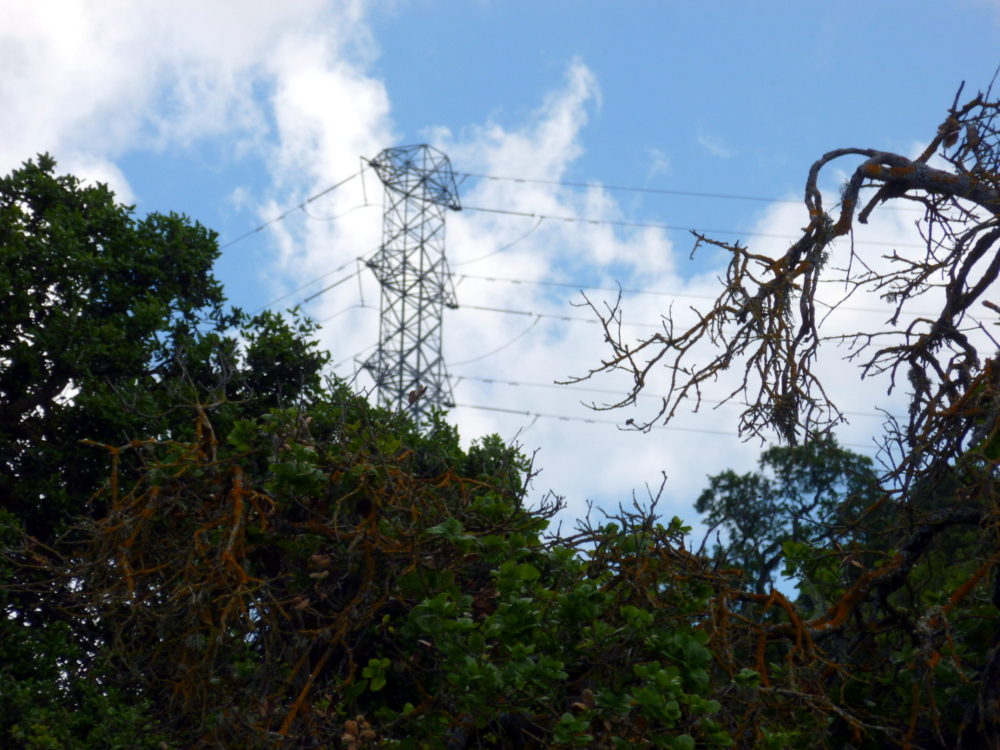
I prefer the featured photo’s composition. It looks lonely to me, and dramatic. The emphasis on the branch in the foreground in the latter picture reduces that effect, to me.
The next photo has GIMP color enhance applied, as well as white balance. All of the others have white balance only.


Note: This blog post has links to books intended for audiences aged 18 years or older. It also has suggestive book cover photos.
Anais Nin and Colette were this author’s big thrill in her early 20s. Plucking Colette off a bookcase in the basement of the famous City Lights Bookstore (http://www.citylights.com/) in San Francisco, flipping through the pages, wondering how authors dared to write like that!
Erotic romance differs from Erotica. Erotica doesn’t necessarily have a happy ending. Erotic romance does. And a complete story line.
Marie Tuhart is a great introduction to this sub-genre. Her work is also awesome for readers who are already fans of this area of literature. These books are quite popular, meeting with very positive reviews.
Recommended reading order:
In Plain Sight
http://www.wilderroses.com/index.php?main_page=product_info&cPath=87&products_id=755

Quick Silver Ranch: Roped & Ready
http://www.wilderroses.com/index.php?main_page=product_info&cPath=88&products_id=811

Quick Silver Ranch: Saddle Up
http://www.wilderroses.com/index.php?main_page=product_info&cPath=87&products_id=831

His For the Weekend
http://www.wilderroses.com/index.php?main_page=product_info&cPath=87&products_id=867

Hooked Up At The Wedding
http://sybariteseductions.com/anthologies/hooked-up-at-the-wedding/

Hooked Up The Game Plan
http://sybariteseductions.com/anthologies/hooked-up-the-game-plan/

Author website:
On the way to the New York Museum of Modern Art, walking through the breezeway of a modern office building:

Then… the MOMA:
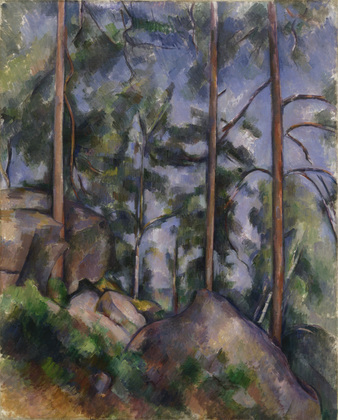
Cezanne. He made the air in the background look moist and the pine needles sparkle with subtle light.
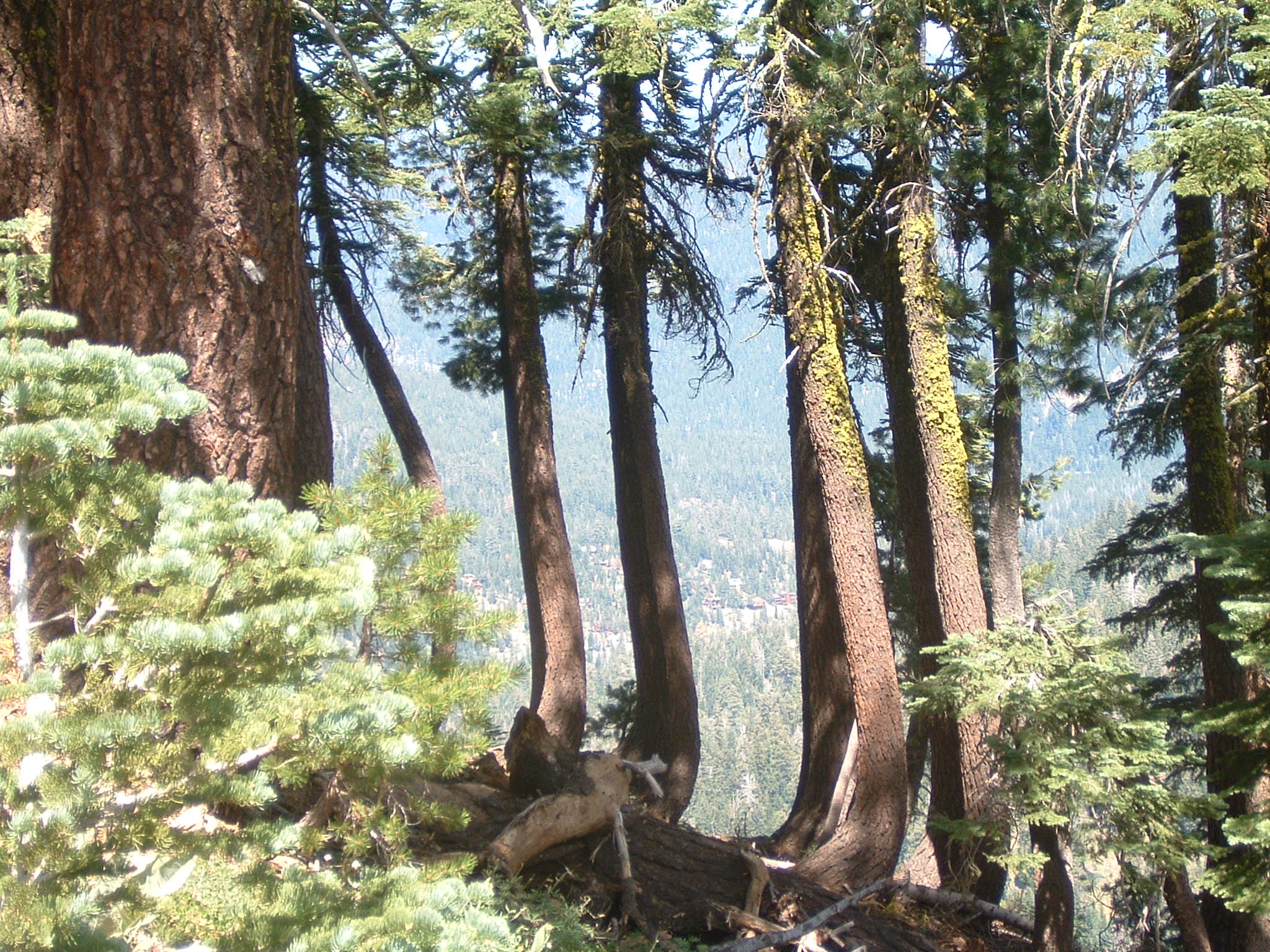
Flashback to a spot and a photo in Alpine Meadows, California:
Recognize Munch across the gallery.
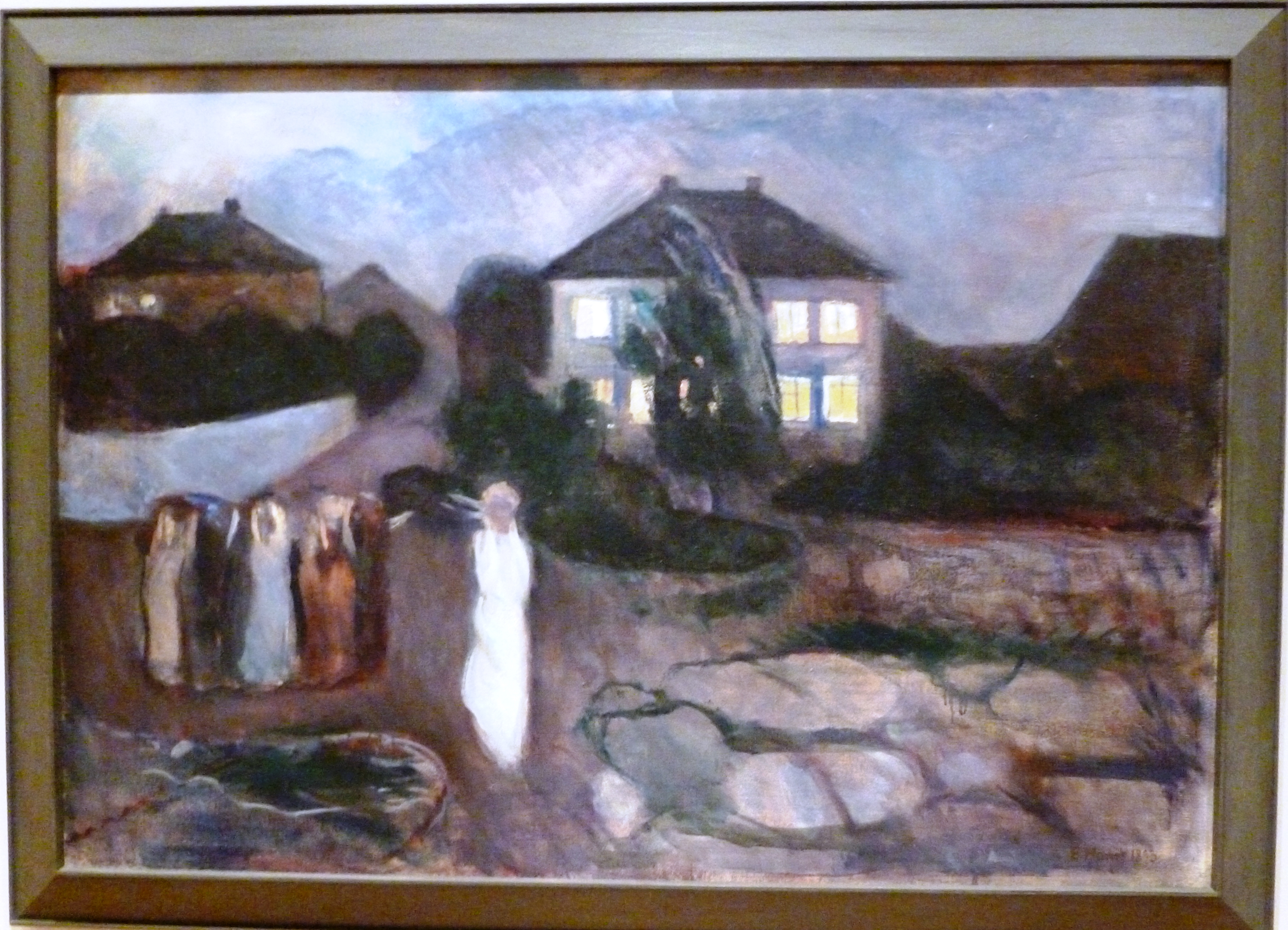
It’s incredibly difficult to paint leaves with the randomness of nature. The best thing about trying things out as a total amateur is the appreciation it gives you for the masters:

Watching others captivated by the same painting adds to the enjoyment.

A Pierre Bonnard, a favorite painter, he never had just a plain old wall. Look at the complexity.

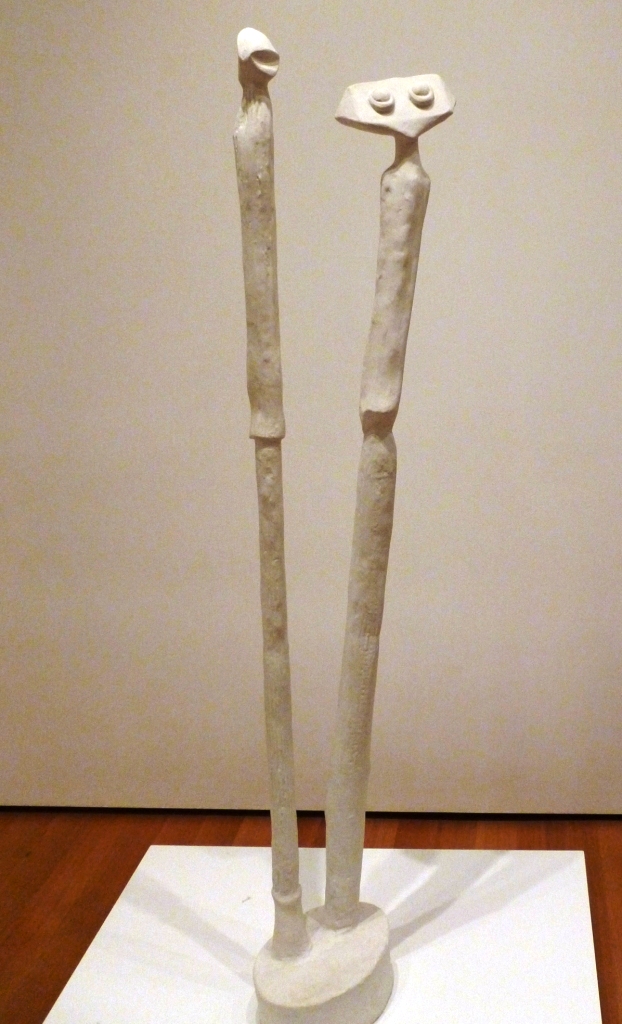
In the final gallery there is this fun, whimsical sculpture:
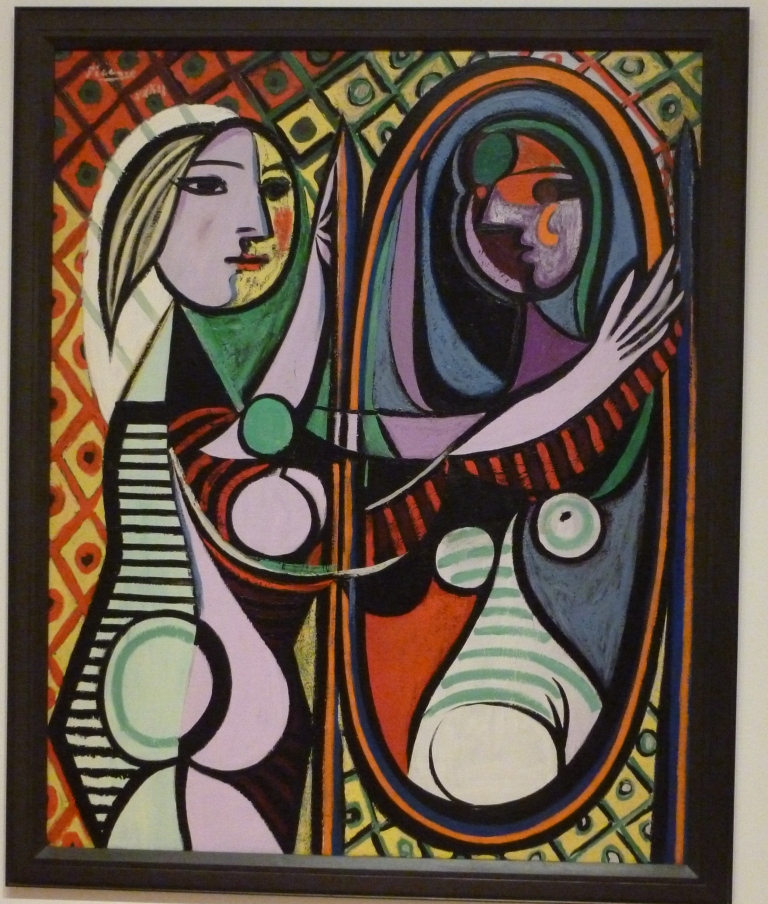
Wow, a favorite Picasso!
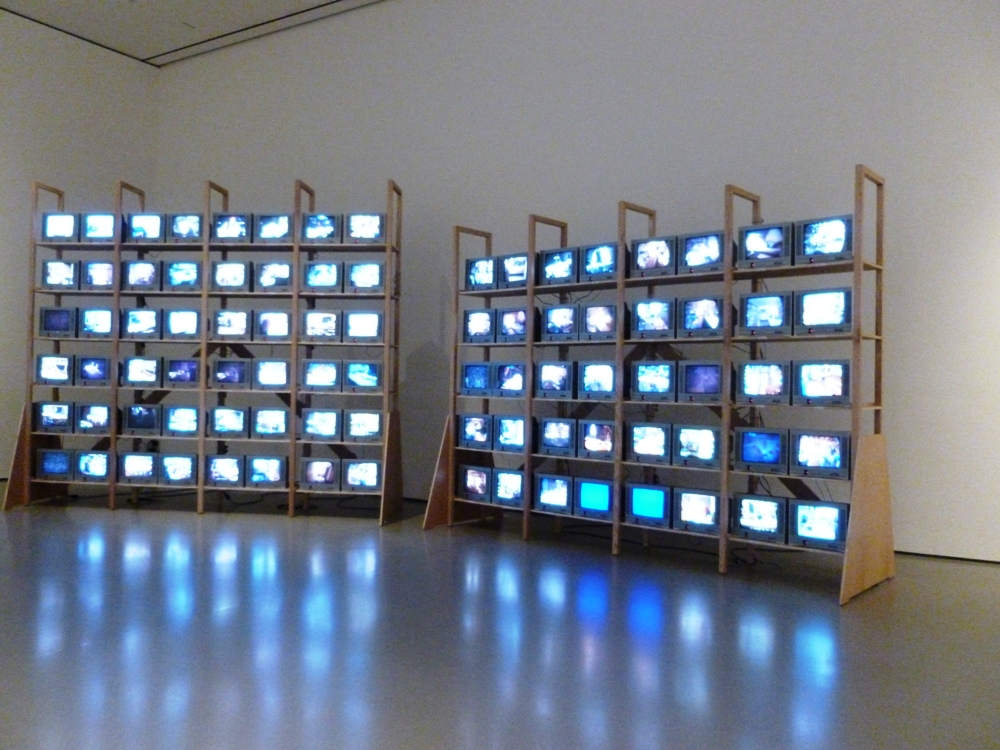
This display of videos shows every minute of the artist’s last year of life, showing the mundane and lonely nature of his existence (according to the description on the wall).
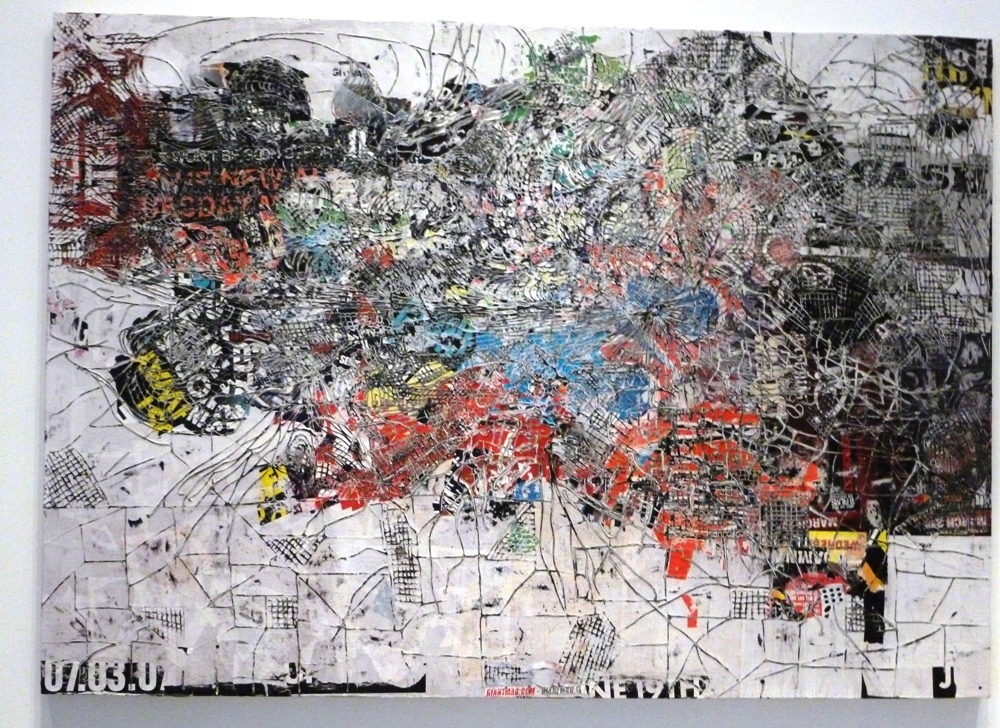
In the same gallery, hangs this beautiful, interesting piece:
Deep point of view (POV) reflects life as we actually experience it, I think.
Deep POV was the last big hurdle for me before being able to write what I consider to be effective stories. (Whether other people consider them effective remains to be seen, but hope is on the horizon.) It took me years to get deep POV. I still struggle with it.
I recognize deep POV excellence in others. Brenda Novak is extremely good at it. In studying her and thinking about this craft issue this morning, going back over yesterday’s pages to get back into the story, and inevitably starting editing, I find myself mostly fixing non-deep-POV issues. On a micro level.
I think there are a few levels to deep POV. One is the avoidance of distancing words like “feel,” “think.” But even “look.” “He looked at the thing.” Deep POV just describes the thing.
Similarly, as a writer who had to make absolutely every possible mistake known to fiction writing, never learning anything the easy way like from a teacher or book of which I have many, I can say one of the things I struggled with in my early days and still do, is the idea that I have to describe the events of a novel sequentially.
He gets in the car, he gets out of the car, he walks across the driveway, he opens the door, he closes the door, he goes inside, he sits down, and finally he gets to have his thought.
When in reality what happens is, he doesn’t even think about all of those transitions. Who really thinks about what they’re actually doing while driving? This is how it is, sometimes unfortunately, like when somebody almost ran into us head-on in a parking lot the other day. Only leaning on the horn continuously for several seconds snapped the driver back to attention in time to prevent an accident.
One goes through the motions of life, even those among us who aspire to be in the moment, lost in thought.
Begin the telling with the character in the thought, not in all the transitions through space of getting him into the scene where he will have the thought. This is what I’m learning.
On a philosophical level, I assert by being in deep POV, we’re actually reflecting more accurately the human experience. We live a psychological life.
Enough shoptalk. Back to the novel. Thanks for visiting.
Rainy September days:

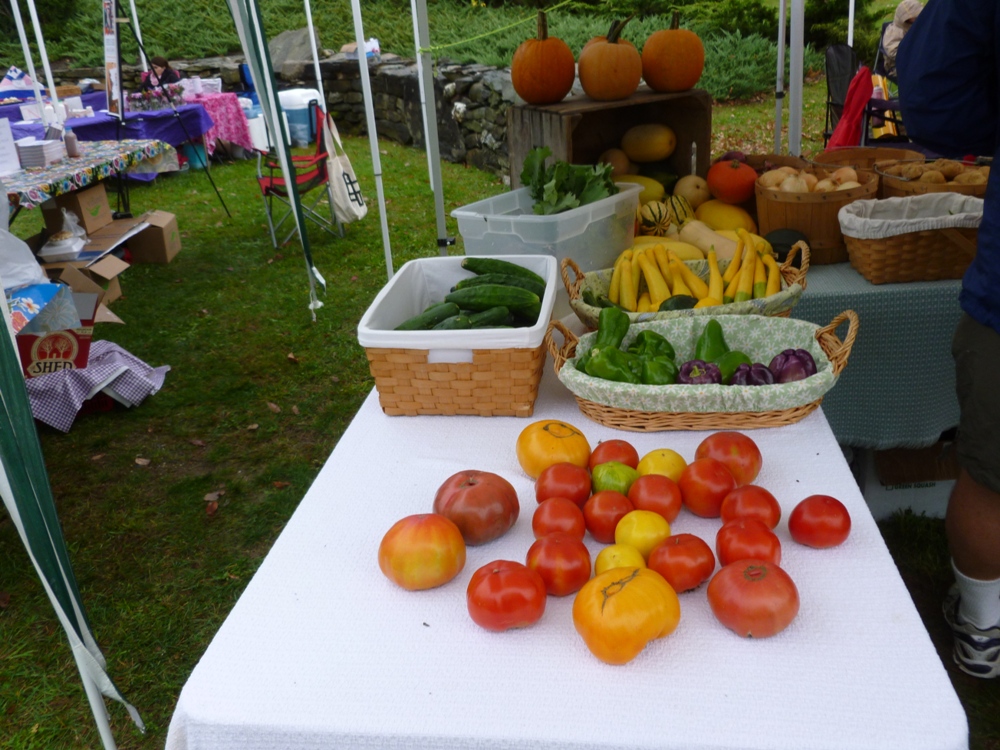
Farmers market:
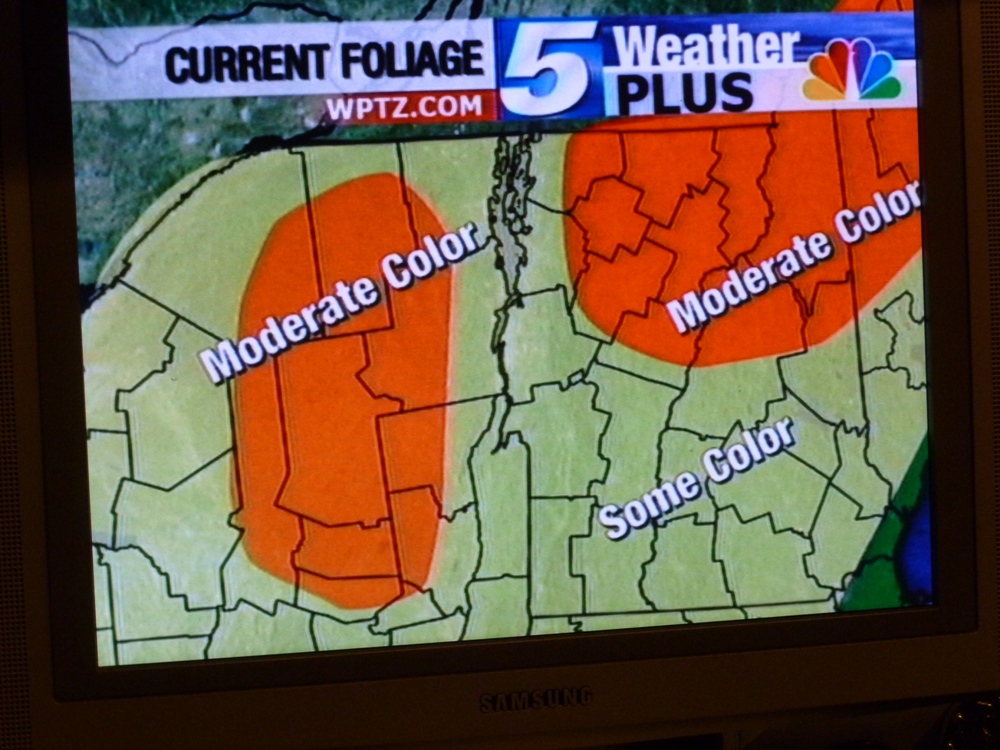
Foliage reports on the local news:
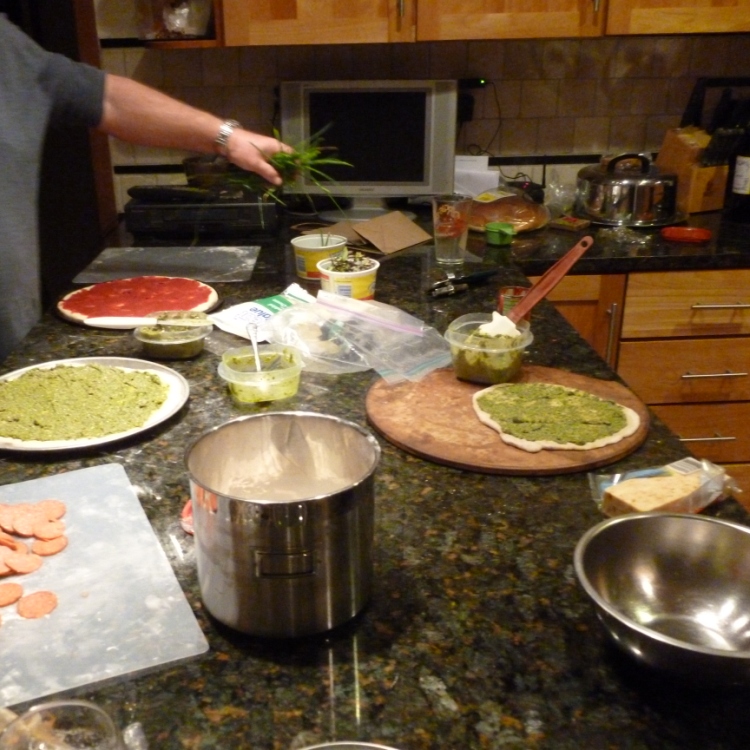
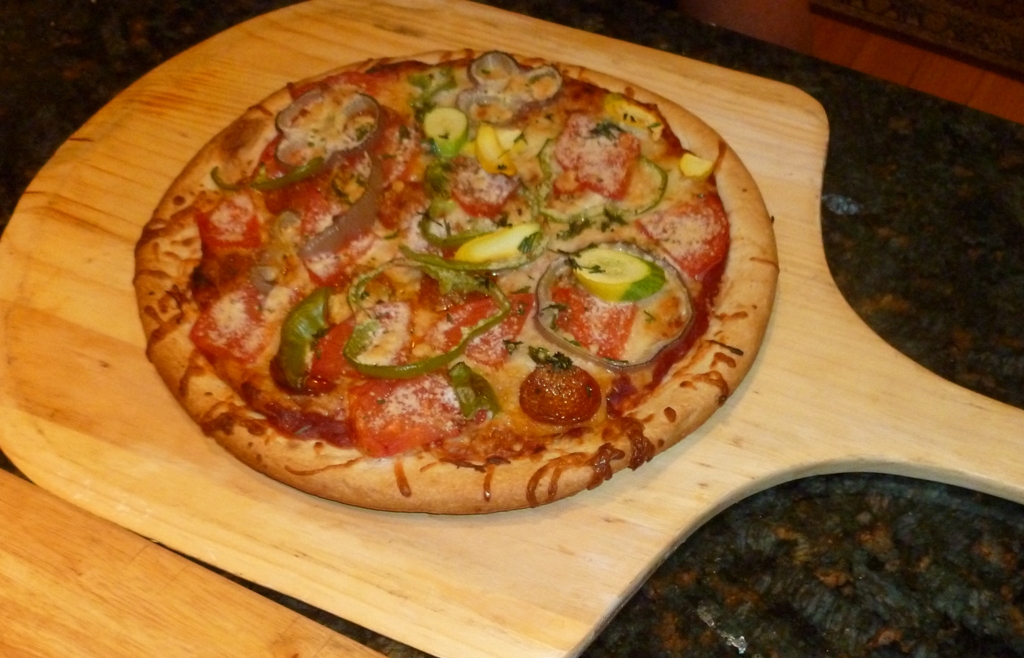
Making homemade pizza and comparing techniques (chives from the garden):
Winning pizza:
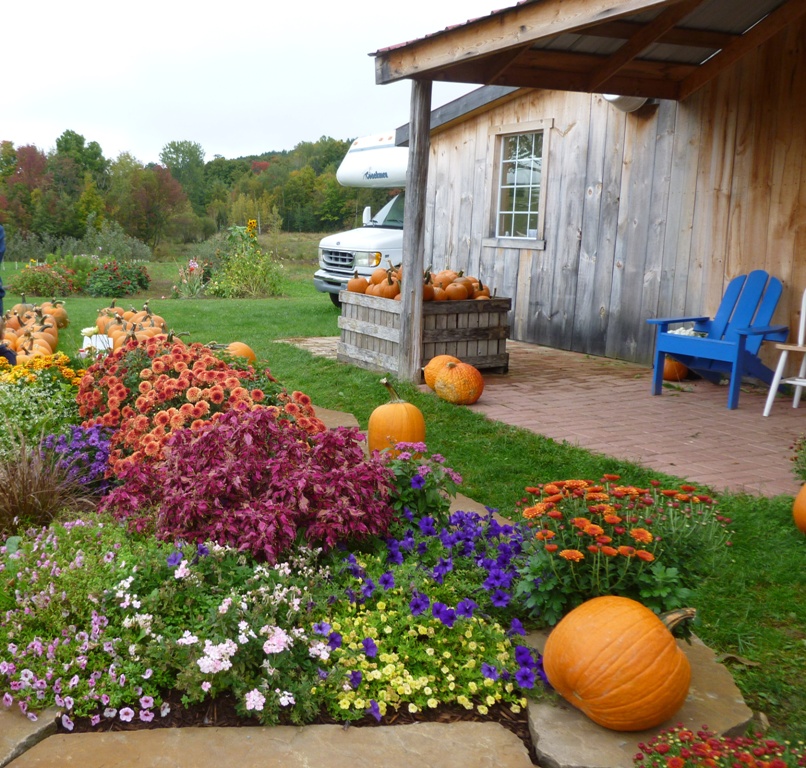
An apple orchard where you can pick your own apples:
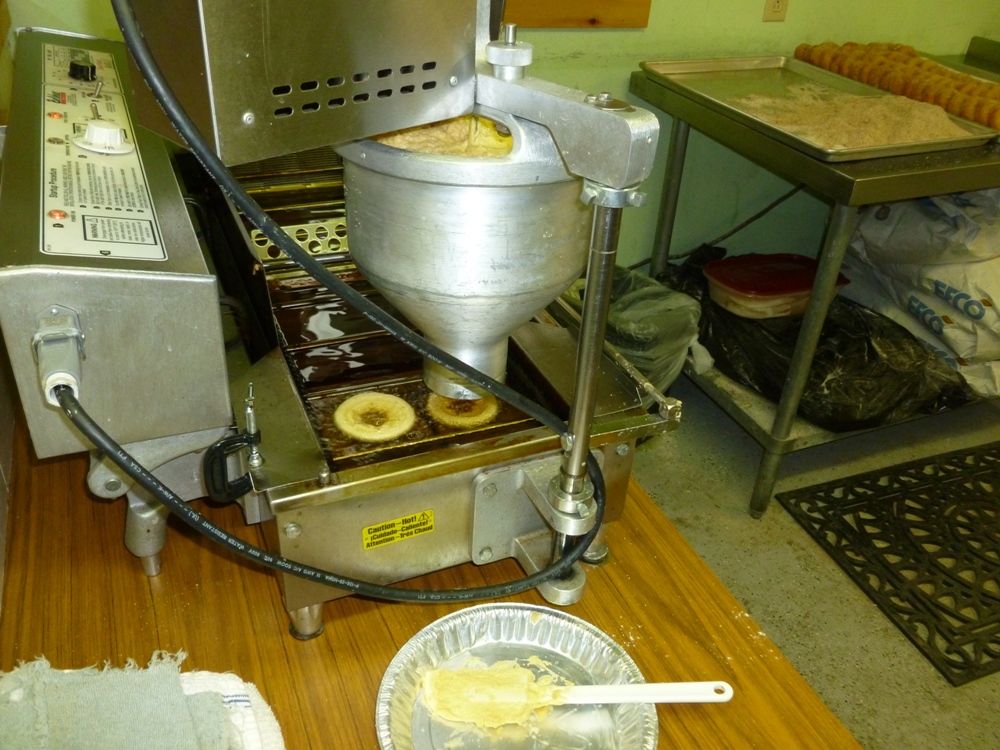
Or have cider donuts hot and fresh (they melt in your mouth, have 2):
And drive through a quaint covered bridge:

These pictures and captions are so evocative, stories leaped to mind as I viewed the images and words.
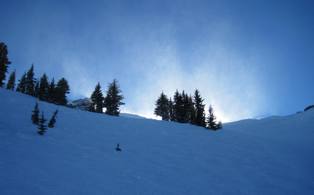
Found the Video… Skiing Counterweight Gulley, Alpine Meadows, California
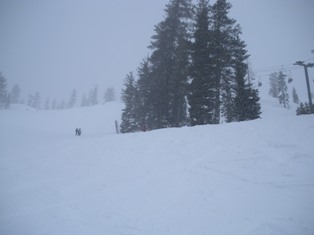
So why do it?

Dialogue of the day:
“Did you have fun today, honey?”
“Yes, until I fell in the parking lot.”
(See reason #1 not to ski.)
What do you find fun that others might find… not so much fun?
 Nicci Carrera